As low as $12
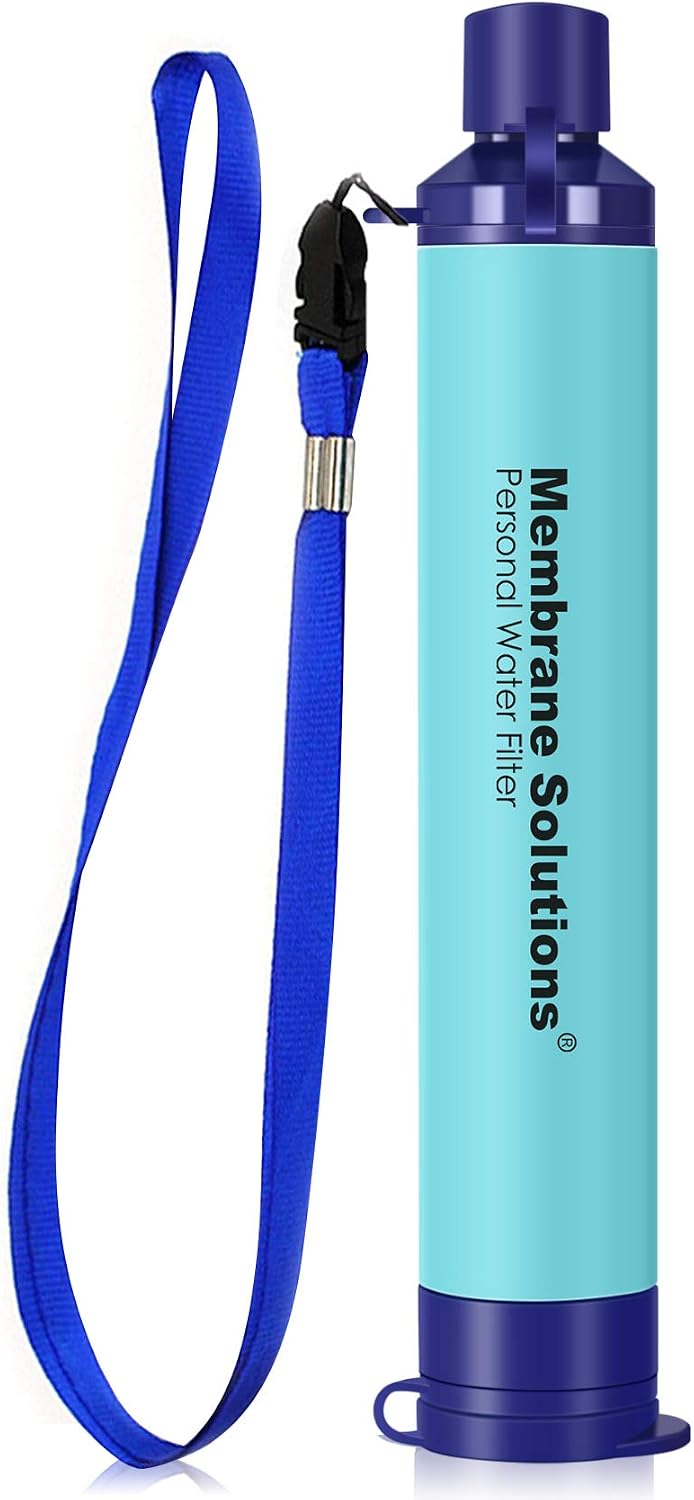
Built for travel, hiking & emergencies - drink safely whether the water is unsafe or just tastes off.
- NSF/ANSI 42, 372 & 401 certified, 0.1 micron filtration
- Filters up to 1,320 gallons - no batteries or pumping
- Ultralight - fits in any bag or pocket
- BPA-free, compatible with standard 28mm bottle threads
Tap water in Denmark is considered among the safest and highest quality in the world. Danish drinking water is sourced almost entirely from groundwater, undergoes minimal treatment, and meets strict EU and national standards. Travelers can confidently drink tap water anywhere in the country.
Quick Reference
| Concern | Our Advice | |
|---|---|---|
| Drink tap water? | ✅ | Yes, safe in most areas |
| Brush teeth? | ✅ | Yes, no concerns |
| Wash fruits / veg? | ✅ | Yes, safe to use tap water |
| Use ice in drinks? | ✅ | Yes, safe in restaurants |
| Shower safely? | ✅ | Yes |
| Filter bottle needed? | ✅ | Not necessary, but a Membrane Solutions Filter Straw can improve taste |
| Common risks | Localized nitrate contamination in agricultural areas, Pesticide residues in some groundwater sources, Aging pipes in older buildings, Occasional PFAS detection |

Key Statistics


Affiliate links — we earn a small commission at no extra cost to you.
Water Infrastructure & Supply
Denmark has one of the most advanced and well-maintained water supply systems in Europe. The country relies almost exclusively on groundwater extracted from aquifers, which is naturally filtered through layers of sand and limestone. This approach has been in place for over a century, and the Danish model is distinctive because the water requires very little chemical treatment , most Danish tap water is not chlorinated, unlike in many other developed countries.
The water supply is managed by approximately 2,600 waterworks, ranging from large municipal utilities like HOFOR (Greater Copenhagen Utility) to small local cooperatives. Water undergoes simple aeration and sand filtration to remove iron and manganese before distribution. Denmark has invested heavily in protecting groundwater catchment areas, and since 1987 the government has designated drinking water protection zones around wells to prevent contamination from agriculture and industry.
Ongoing challenges include dealing with pesticide residues and PFAS (per- and polyfluoroalkyl substances) detected in some groundwater sources. The Danish government has committed billions of Danish kroner to remediation and monitoring programs. A national action plan launched in the early 2020s focuses on closing contaminated wells, finding new clean sources, and upgrading distribution networks. Denmark also leads Europe in reducing water loss from pipes, with leakage rates below 8%.
Contamination & Health Risks
Tap water in Denmark poses virtually no health risk to travelers. The water consistently meets or exceeds all EU Drinking Water Directive standards and Danish national quality requirements. Microbiological contamination events are extremely rare and are dealt with swiftly through boil-water advisories when they do occur, typically affecting only small local waterworks.
The primary long-term concerns in Denmark relate to agricultural chemicals. Residues of pesticides, including some that were banned decades ago, have been detected in certain groundwater sources, though almost always at levels well below health thresholds. PFAS contamination from firefighting foam and industrial sites has also been identified at some locations, prompting closures of affected wells. For short-term visitors, these trace contaminants pose no meaningful risk.
Travelers with compromised immune systems or very young children can drink Danish tap water with full confidence. There is no need for boiling, filtering, or purchasing bottled water for health reasons. In the rare event of a contamination incident, local authorities communicate advisories quickly through media and apps. Denmark's water quality monitoring is among the most rigorous in the world, with thousands of samples tested annually.
Regional Water Quality Breakdown
Copenhagen
safeCopenhagen's water is supplied by HOFOR and sourced from well-protected groundwater. The water is unchlorinated, soft to moderately hard, and consistently ranks among the best in Europe. Tap water throughout the capital is excellent for drinking.
Aarhus
safeAarhus Vand supplies high-quality groundwater-based tap water to Denmark's second-largest city. The water meets all EU and national standards with no chlorination required. Visitors can drink tap water from any source in the city with complete confidence.
Odense
safeOdense's tap water, managed by VandCenter Syd, is sourced from local groundwater aquifers. The water is clean and safe, though slightly harder in mineral content than in some other Danish cities. It is perfectly safe for all uses.
Aalborg
safeAalborg Forsyning delivers safe, clean tap water throughout northern Jutland's largest city. The groundwater-based supply meets all quality standards. Some areas have relatively hard water, which is harmless but can leave mineral deposits on fixtures.
Bornholm
safeThis popular island destination has its own local waterworks supplying groundwater-based tap water. Water quality is consistently good, though the island's smaller waterworks are occasionally subject to more frequent testing due to their size. Tap water is safe to drink across the island.
Rural Jutland
safeEven small towns and rural areas across Jutland have safe drinking water, supplied by local cooperative waterworks. Some agricultural areas have seen elevated nitrate levels in groundwater, but affected sources are monitored and taken offline when necessary. Tap water remains safe throughout the region.
Practical Tips for Travelers
- Carry a filter straw (e.g., Membrane Solutions) — it removes bacteria, parasites, and microplastics from any tap or stream. Strongly recommend the Membrane Solutions Filter Straw.
- Carry a reusable water bottle , Danish tap water is excellent everywhere, and many cities have public refill stations and drinking fountains.
- At restaurants, ask for 'postevand' (tap water) which is usually served free of charge, saving you the cost of bottled water.
- Danish tap water is not chlorinated in most areas, so it may taste noticeably cleaner and softer than what you're used to at home.
- If your accommodation has very old plumbing, let the cold water run for 10, 15 seconds before drinking to flush any standing water from pipes.
- Don't waste money on bottled water for health reasons , there is absolutely no safety advantage to bottled water over tap water in Denmark.
- Take advantage of Denmark's bottle deposit system ('pant') , return empty bottles and cans to supermarket machines to reclaim your deposit.
- In Danish, you can say 'Kan jeg f et glas vand?' (Can I have a glass of water?) at any caf or restaurant to request free tap water.
- Check the local utility's website or app for real-time water quality data , major suppliers like HOFOR and Aarhus Vand publish detailed reports online.
Bottled Water Availability & Cost
Bottled water is widely available in Denmark at supermarkets, convenience stores, and restaurants, though it is relatively expensive compared to many countries. A 0.5-liter bottle typically costs 15, 25 DKK (approximately 2, 3.50 or $2.20, 3.80 USD) in a shop, while a 1.5-liter bottle runs about 10, 20 DKK in supermarkets. In restaurants and cafs, a bottle of water can cost 30, 60 DKK. Popular brands include Aqua d'Or, Kildevld, and the Danish sparkling water brand Egekilde.
Given the exceptional quality of Danish tap water, buying bottled water is largely unnecessary and not environmentally recommended. Many restaurants will happily serve free tap water if you ask, and refilling a reusable bottle at any tap is perfectly safe. Denmark has an efficient bottle deposit system (pant) that encourages recycling , you pay a small deposit on bottles which is refunded when returned to machines at supermarkets. For budget-conscious and eco-minded travelers, carrying a reusable bottle is the smartest choice.
Frequently Asked Questions
Can I brush my teeth with tap water in Denmark?
Yes, absolutely. Danish tap water is among the cleanest in the world and is perfectly safe for brushing teeth. There is no need to use bottled water for oral hygiene.
Is it safe to drink tap water in Copenhagen hotels?
Yes, tap water in Copenhagen hotels is completely safe to drink. The city's water supply comes from protected groundwater sources and meets the highest EU standards. You can drink it straight from the tap.
Is ice in drinks safe in Denmark?
Yes, ice in Danish restaurants, bars, and cafs is made from tap water and is entirely safe to consume. There is no risk from ice in drinks anywhere in the country.
Do restaurants in Denmark serve free tap water?
Most restaurants in Denmark will serve tap water (postevand) for free if you ask. Some upscale restaurants may encourage you to order bottled water, but you are always welcome to request tap water instead.
Is it safe to shower in Danish tap water?
Yes, showering in Danish tap water is completely safe. The water is clean, unchlorinated in most areas, and gentle on skin and hair. Some regions have harder water which may cause slight dryness.
How much does bottled water cost in Denmark?
A 0.5-liter bottle typically costs 15, 25 DKK (about 2, 3.50) in shops. In restaurants, expect to pay 30, 60 DKK. However, since tap water is excellent, buying bottled water is unnecessary for safety reasons.
Why is Danish tap water not chlorinated?
Denmark relies on deep groundwater that is naturally filtered through geological layers, making it very clean. Simple aeration and sand filtration are sufficient to make it drinkable, so chlorine disinfection is generally not needed. This gives Danish water a notably fresh, clean taste.
Is tap water on the Danish islands (Bornholm, Funen) safe?
Yes, tap water on all Danish islands is safe to drink. Each island has its own local waterworks that draw from groundwater and meet the same strict national quality standards as mainland Denmark.
Interesting Product Reviews
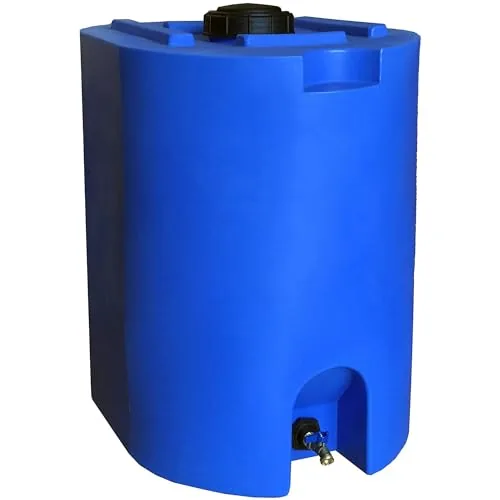
7 Best Emergency Water Storage Tanks (2026 Review Guide)
Aug 21, 2026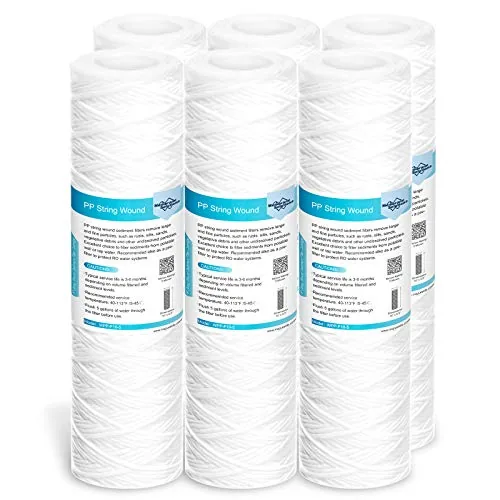
6 Best Whole House Water Filters For Well Water (2026 Review Guide)
Jul 25, 2026
7 Best Smart Water Bottles (2026 Review Guide)
Aug 7, 2026
7 Best Water Filters For Heavy Metals (2026 Review Guide)
Jul 31, 2026
7 Best Water Filters For Pets (2026 Review Guide)
Aug 4, 2026