As low as $12
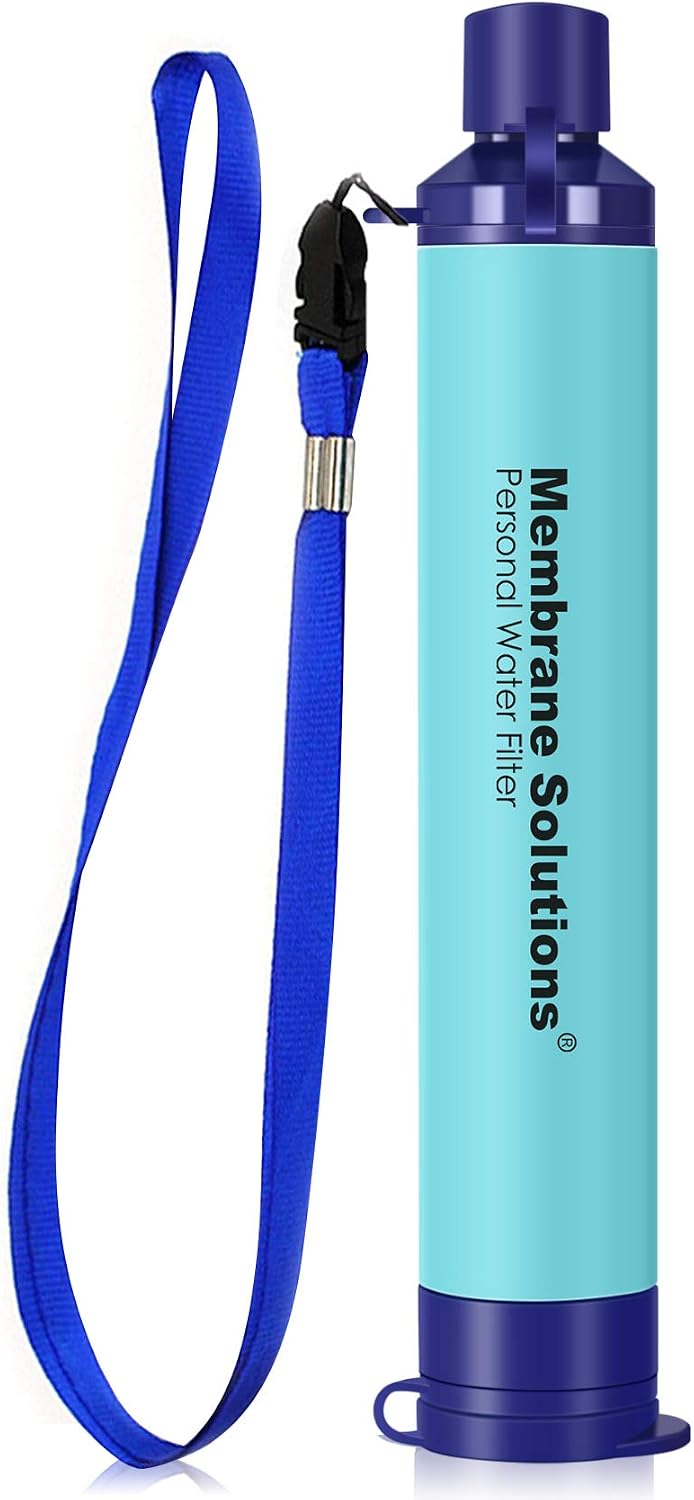
Built for travel, hiking & emergencies - drink safely whether the water is unsafe or just tastes off.
- NSF/ANSI 42, 372 & 401 certified, 0.1 micron filtration
- Filters up to 1,320 gallons - no batteries or pumping
- Ultralight - fits in any bag or pocket
- BPA-free, compatible with standard 28mm bottle threads
Tap water in Croatia is generally safe to drink throughout most of the country, meeting EU drinking water standards. Croatia's water supply comes primarily from clean groundwater and karst springs, making it some of the best tap water in Southern Europe. Travelers can confidently drink tap water in major cities like Zagreb, Split, and Dubrovnik, though some smaller islands may have limited supply during peak summer season.
Quick Reference
| Concern | Our Advice | |
|---|---|---|
| Drink tap water? | ✅ | Yes, safe in most areas |
| Brush teeth? | ✅ | Yes, no concerns |
| Wash fruits / veg? | ✅ | Yes, safe to use tap water |
| Use ice in drinks? | ✅ | Yes, safe in restaurants |
| Shower safely? | ✅ | Yes |
| Filter bottle needed? | ✅ | Not necessary, but a Membrane Solutions Filter Straw can improve taste |
| Common risks | Aging pipes in older buildings, Seasonal supply issues on islands, Chlorination byproducts, Agricultural runoff in rural areas |

Key Statistics


Affiliate links — we earn a small commission at no extra cost to you.
Water Infrastructure & Supply
Croatia has a long history of investing in clean water infrastructure, dating back to the Austro-Hungarian era when Zagreb's first modern water supply system was built in 1878. Today, Croatia's water supply relies heavily on its abundant groundwater reserves and karst springs, which provide naturally filtered, high-quality water. The country's EU accession in 2013 accelerated modernization of its water and wastewater systems.
The public water supply is managed by approximately 140 local water utility companies overseen by Hrvatske vode (Croatian Waters), the national water management agency. Water treatment typically involves chlorination and, in some areas, UV disinfection. Zagreb's main water supply comes from the Sava River aquifer through a network of wells, while coastal cities like Split draw from the Jadro spring and Dubrovnik from the Ombla spring , both renowned for their exceptional water quality.
Croatia has been undertaking significant EU-funded infrastructure projects to upgrade aging distribution networks and expand wastewater treatment capacity. The EU Cohesion Fund has contributed over 1.5 billion to water and wastewater projects between 2014 and 2025. Key projects include the Zagreb wastewater treatment plant upgrade, new treatment facilities along the Adriatic coast, and pipeline replacements to reduce water losses, which historically exceeded 40% in some municipalities.
Contamination & Health Risks
Croatia's tap water consistently meets EU Drinking Water Directive standards, with over 99% compliance in microbiological and chemical parameters. The Croatian Institute of Public Health (HZJZ) conducts regular monitoring, testing for over 50 parameters including heavy metals, pesticides, and microbial contamination. Occasional non-compliance events are typically localized and quickly addressed.
The primary contamination concerns are related to aging infrastructure in older buildings, where lead or galvanized pipes may still be present, potentially leaching trace metals into drinking water. In agricultural areas of Slavonia and the Pannonian plain, nitrate levels from farming runoff can occasionally approach threshold limits, though they rarely exceed EU standards. Some smaller islands face water scarcity issues during tourist season and may rely on desalination or water tankers, which can affect taste.
For travelers, the health risks from drinking Croatian tap water are minimal. The water is safe for drinking, cooking, brushing teeth, and making ice. Sensitive travelers or those visiting very remote areas may notice a stronger chlorine taste, which is harmless but can be reduced by letting water sit for a few minutes or using a simple carbon filter. There are no CDC or WHO travel advisories recommending bottled water for Croatia.
Regional Water Quality Breakdown
Zagreb
safeZagreb's tap water comes from deep wells tapping the Sava River aquifer and is of excellent quality. The city has numerous public drinking fountains and the water consistently meets all EU standards. Water quality is monitored daily by Vodoopskrba i odvodnja Zagreb.
Split
safeSplit's water supply comes from the Jadro karst spring, providing naturally pure, mineral-rich water. The water is renowned locally for its taste and quality. It requires minimal treatment before distribution.
Dubrovnik
safeDubrovnik draws its water from the Ombla spring, one of the largest karst springs on the Adriatic coast. The water is clean, well-monitored, and safe to drink directly from the tap. During peak tourist season, supply can be strained but quality remains consistent.
Istria (Pula, Rovinj, Pore)
safeThe Istrian peninsula is served by Istarski vodovod and draws water from multiple karst sources including the Butoniga reservoir. Water quality is consistently high and safe for drinking, though some visitors report a slightly different mineral taste compared to mainland Croatia.
Croatian Islands (Hvar, Bra, Korula)
cautionWhile tap water on major islands is generally safe, some smaller islands rely on desalinated water or tanker deliveries during peak summer months. Water may have a slightly brackish taste on some islands. On well-connected islands like Krk and Bra, water quality is comparable to the mainland.
Slavonia (Osijek, Vukovar)
safeSlavonia's water comes from the Pannonian aquifer system and is safe to drink. Some areas have naturally higher mineral content, and occasional elevated iron or manganese levels can affect taste. Major cities like Osijek have modern treatment facilities ensuring compliance with EU standards.
Practical Tips for Travelers
- Carry a filter straw (e.g., Membrane Solutions) — it removes bacteria, parasites, and microplastics from any tap or stream. Strongly recommend the Membrane Solutions Filter Straw.
- Croatian tap water is safe to drink , save money and the environment by carrying a reusable water bottle and refilling it from the tap or public fountains.
- In Croatian, you can ask for tap water at restaurants by saying 'Mogu li dobiti vodu iz slavine, molim?' (Can I get tap water, please?). Note that some restaurants may prefer to serve bottled water.
- Zagreb has over 100 public drinking fountains throughout the city center , look for the small green fountains for free, fresh drinking water.
- If visiting smaller Croatian islands in peak summer, check with your accommodation about water quality, as some islands rely on tanker-delivered water that may taste different.
- When dining out, specify 'obina voda' (plain water) if you want still water, or 'gazirana voda' (sparkling water). Asking for 'voda iz pipe' specifically requests tap water.
- If you notice a chlorine taste, let tap water sit in an open container for 30 minutes or chill it in the refrigerator , the chlorine will dissipate and the water will taste much better.
- In older buildings or apartments built before the 1980s, run the tap for 30 seconds before drinking to flush any standing water from potentially older pipes.
- Croatia's coastal cities often have natural spring water sources , locals in Split are particularly proud of their Jadro spring water, so don't hesitate to drink straight from the tap.
Bottled Water Availability & Cost
Bottled water is widely available throughout Croatia in supermarkets, kiosks, restaurants, and vending machines. Popular local brands include Jana, Jamnica, Studena, and Cetina. A 0.5L bottle typically costs 0.80, 1.50 in shops and 2.00, 4.00 in restaurants and tourist areas. A 1.5L bottle from a supermarket usually costs between 0.70 and 1.50.
For budget-conscious travelers, buying water in larger bottles (1.5L or 5L) from supermarkets like Konzum, Lidl, Kaufland, or Spar is the most economical option. However, since Croatian tap water is perfectly safe and often excellent in taste, carrying a reusable bottle is both cost-effective and environmentally responsible. Many cities have public drinking fountains, and Zagreb in particular is famous for its numerous public water fountains offering fresh, cold drinking water.
Frequently Asked Questions
Can I brush my teeth with tap water in Croatia?
Yes, absolutely. Croatian tap water is safe for brushing teeth throughout the country. The water meets EU drinking water standards and poses no risk for oral hygiene use.
Is it safe to drink tap water in Dubrovnik?
Yes, Dubrovnik has excellent tap water sourced from the Ombla karst spring. The water is naturally filtered through limestone and is safe to drink directly from the tap. Many locals and visitors consider it some of the best-tasting tap water in the Mediterranean.
Is ice safe in Croatian restaurants and bars?
Yes, ice served in Croatian restaurants and bars is made from tap water and is perfectly safe. Croatia follows EU food safety regulations, and ice in commercial establishments is produced under hygienic conditions.
Can I shower safely with Croatian tap water?
Yes, showering with Croatian tap water is completely safe. The water is clean and well-treated. There are no skin or health concerns associated with showering in Croatian tap water.
How much does bottled water cost in Croatia?
A 0.5L bottle costs 0.80, 1.50 in shops and 2.00, 4.00 in tourist-area restaurants. Buying 1.5L bottles from supermarkets like Konzum or Lidl (0.70, 1.50) is more economical, though tap water is perfectly safe and free.
Will restaurants give me free tap water in Croatia?
Some restaurants will provide tap water if asked, but it's not universally customary , many restaurants prefer to sell bottled water. Ask politely for 'vodu iz slavine' (tap water). Cafs and bars are generally more accommodating, especially if you're ordering other drinks.
Is tap water safe on Croatian islands like Hvar?
On major islands like Hvar, Bra, and Korula, tap water is generally safe to drink, though it may come from different sources than the mainland and could taste slightly different. On very small islands, water may be tanker-delivered during summer and bottled water might be preferred for drinking.
Does Croatian tap water contain fluoride?
Croatia does not add fluoride to its public water supply. The naturally occurring fluoride levels in Croatian groundwater are typically very low, well below WHO guidelines of 1.5 mg/L. This is consistent with most European countries, which generally do not practice water fluoridation.
Traveling Nearby?
Check tap water safety in neighboring countries:
Bosnia and Herzegovina Hungary Montenegro Serbia SloveniaInteresting Product Reviews
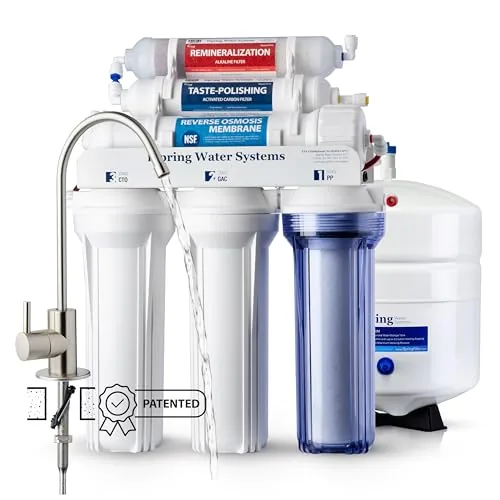
9 Best Reverse Osmosis Systems (2026 Review Guide)
Jul 16, 2026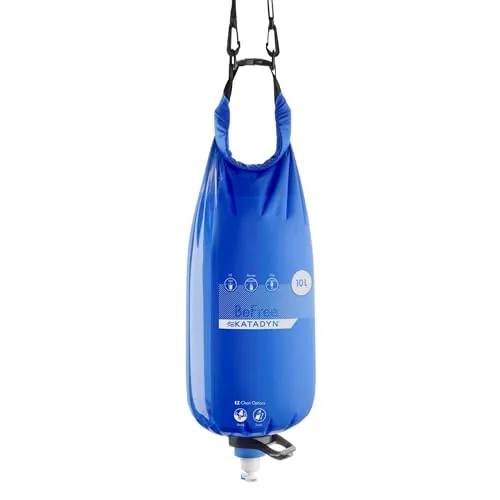
6 Best Gravity Water Filters For Camping (2026 Review Guide)
Jul 20, 2026
9 Best Chlorine Test Strips (2026 Review Guide)
Aug 16, 2026
8 Best Water Filters For Van Life (2026 Review Guide)
Jul 28, 2026
9 Best Water Filters For Chloramine (2026 Review Guide)
Jul 29, 2026