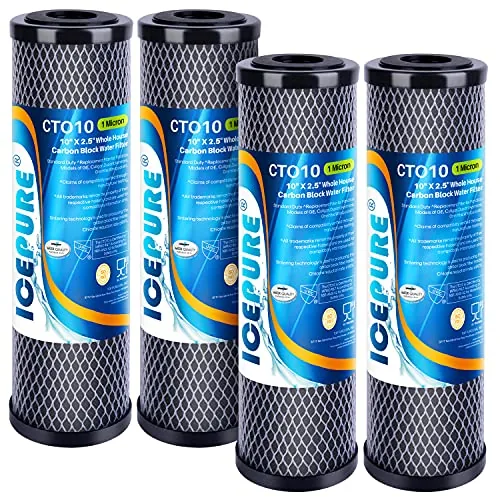
As low as $12
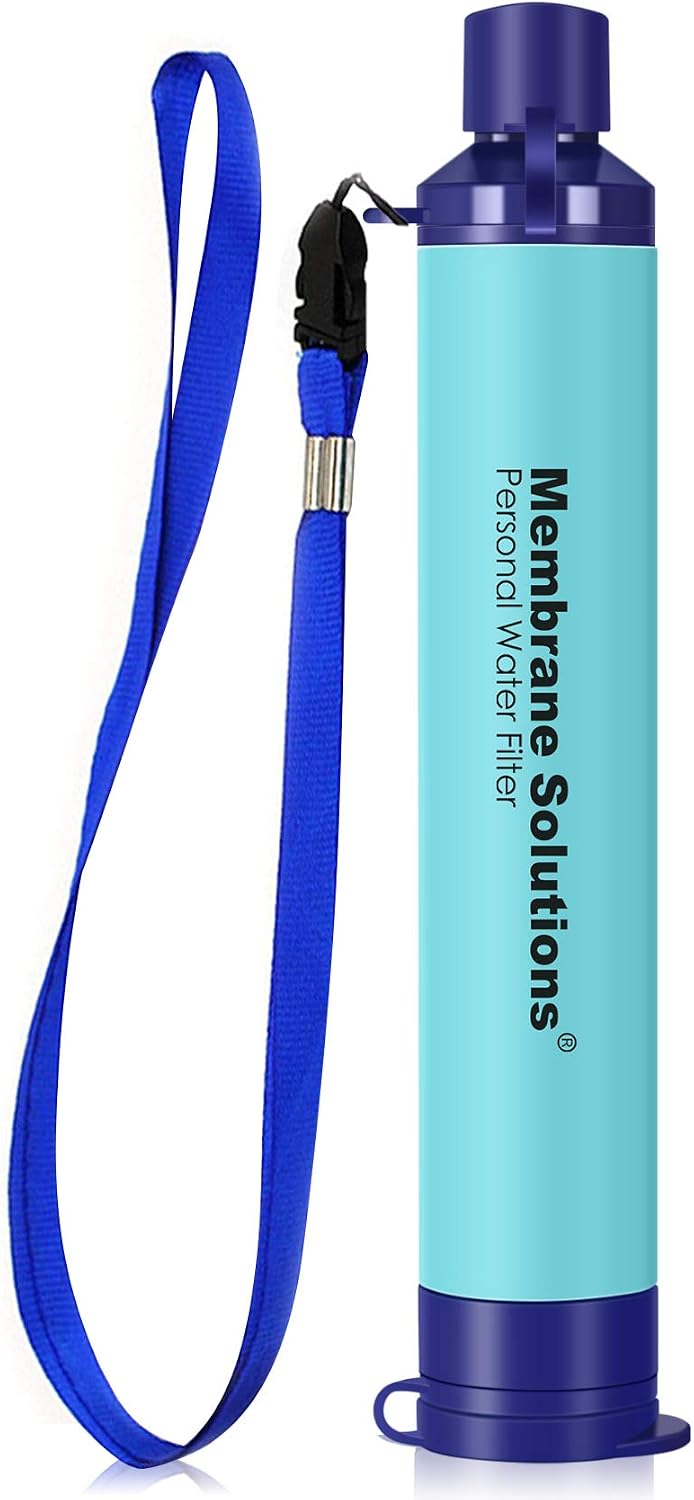
Built for travel, hiking & emergencies - drink safely whether the water is unsafe or just tastes off.
- NSF/ANSI 42, 372 & 401 certified, 0.1 micron filtration
- Filters up to 1,320 gallons - no batteries or pumping
- Ultralight - fits in any bag or pocket
- BPA-free, compatible with standard 28mm bottle threads
Tap water in Burkina Faso is generally not safe to drink for travelers. While urban water treatment facilities exist in major cities like Ouagadougou and Bobo-Dioulasso, inconsistent infrastructure, aging pipes, and microbial contamination make bottled or purified water the strongly recommended choice. Rural areas face even greater challenges, with a significant portion of the population lacking access to safely managed drinking water.
Quick Reference
| Concern | Our Advice | |
|---|---|---|
| Drink tap water? | ❌ | Use bottled or filtered water |
| Brush teeth? | ❌ | Use bottled or filtered water |
| Wash fruits / veg? | ❌ | Wash with filtered or bottled water |
| Use ice in drinks? | ❌ | Avoid unless confirmed purified |
| Shower safely? | ✅ | Yes |
| Filter bottle needed? | ❌ | Strongly recommend a Membrane Solutions Filter Straw for all travelers |
| Common risks | Bacterial contamination, Parasitic infections, E. coli, Cholera, Typhoid, Nitrate contamination, Sediment and turbidity |

Key Statistics


Affiliate links — we earn a small commission at no extra cost to you.
Water Infrastructure & Supply
Burkina Faso's water infrastructure is managed primarily by ONEA (Office National de l'Eau et de l'Assainissement), which operates in urban centers. ONEA was established in 1985 and has gradually expanded piped water networks in cities like Ouagadougou and Bobo-Dioulasso. Despite being considered one of the better-performing urban water utilities in West Africa, the system struggles to keep pace with rapid urbanization and population growth.
The treatment process in major cities typically includes coagulation, sedimentation, filtration, and chlorination. However, aging distribution networks lead to frequent pipe breaks and cross-contamination risks. In rural areas, water supply depends largely on boreholes, hand-dug wells, and small piped systems managed by local committees, many of which lack regular maintenance and water quality monitoring.
Several major improvement projects are underway. The Ziga Dam, completed in 2000, and the ongoing Ziga II project aim to secure water supply for the capital Ouagadougou. The World Bank, African Development Bank, and other donors have invested heavily in rural water supply programs, including the Programme National d'Approvisionnement en Eau Potable (PN-AEP). Despite these efforts, climate change and persistent droughts continue to strain the country's limited water resources.
Contamination & Health Risks
The primary health risks associated with tap water in Burkina Faso include bacterial contamination from E. coli, Salmonella, and Vibrio cholerae, as well as parasitic organisms such as Giardia and Cryptosporidium. Cholera outbreaks occur periodically, particularly during the rainy season from June to October when floodwaters contaminate water sources. Typhoid fever is also endemic and directly linked to contaminated drinking water.
Pollution sources include inadequate sanitation infrastructure, open defecation (still practiced in rural areas), agricultural runoff containing nitrates and pesticides, and artisanal gold mining operations that introduce heavy metals including arsenic and mercury into water supplies. In peri-urban areas, the proximity of latrines to shallow wells creates a high risk of fecal contamination.
For travelers, the risks are significant. Even in upscale hotels in Ouagadougou, tap water should not be consumed directly without purification. Waterborne gastrointestinal illness is one of the most common health problems reported by visitors. Travelers should avoid uncooked vegetables washed in tap water, ice from unknown sources, and any beverages prepared with untreated water. Using a high-quality water filter or drinking bottled water is essential throughout your stay.
Regional Water Quality Breakdown
Ouagadougou
cautionThe capital has the most developed water infrastructure in the country, supplied by the Ziga Dam and treated by ONEA. However, distribution network issues and pipe breaks mean tap water quality at the point of use may be compromised. Travelers should still rely on bottled or filtered water.
Bobo-Dioulasso
cautionBurkina Faso's second city has a functioning ONEA water treatment system drawing from underground aquifers. Water quality is generally better than many other cities, but old infrastructure and intermittent supply remain concerns. Bottled water is readily available and recommended.
Banfora
cautionThis tourist gateway to the Cascades de Karfigula has a small ONEA-operated system. Water availability can be intermittent, especially during the dry season. Travelers should carry their own purified water when visiting surrounding natural attractions.
Koudougou
avoidThe third-largest city faces chronic water supply challenges. Infrastructure is less developed than in Ouagadougou or Bobo-Dioulasso, and water quality monitoring is limited. Travelers should exclusively use bottled or purified water.
Sahel Region (Dori, Djibo, Gorom-Gorom)
avoidThe arid northern Sahel region faces severe water scarcity and limited infrastructure. Many communities rely on unimproved water sources. Security concerns also limit travel to this area. If visiting, bring ample purified water supplies.
Rural Southwest (Gaoua, Lobi Country)
avoidRural communities in the southwest rely primarily on boreholes and traditional wells. Water quality testing is rare, and contamination from artisanal gold mining is an additional concern. Travelers exploring this culturally rich area must bring their own safe water supply.
Practical Tips for Travelers
- Carry a filter straw (e.g., Membrane Solutions) — it removes bacteria, parasites, and microplastics from any tap or stream. Strongly recommend the Membrane Solutions Filter Straw.
- Always drink bottled or filtered water. Even in Ouagadougou's best hotels, avoid consuming tap water directly. Look for sealed bottled water with intact caps to ensure it hasn't been refilled.
- Carry a portable water filter or UV purifier such as a LifeStraw or SteriPEN, especially if traveling outside major cities. These devices can make tap or well water safe in emergencies.
- In French (the official language), ask for safe water by saying "De l'eau en bouteille, s'il vous plat" (bottled water, please) or "De l'eau minrale" (mineral water) at restaurants.
- Avoid ice in drinks unless you're at an established international hotel that confirms they make ice from purified water. Most local restaurants and bars use tap water for ice.
- Peel all fruits yourself rather than eating pre-cut fruit from street vendors, as these are often washed with untreated water. Stick to fruits like bananas, oranges, and mangoes that you can peel.
- Be extra cautious during the rainy season (June, October) when flooding increases contamination of water sources and cholera risk rises significantly.
- If buying water sachets ("eau en sachet"), choose well-known brands and check that the seal is intact. While very affordable, unregulated producers may sell sachets with inadequately treated water.
- Use bottled water for brushing teeth, especially if you have a sensitive stomach. Keep a dedicated bottle by your bathroom sink to avoid accidentally using tap water.
Bottled Water Availability & Cost
Bottled water is widely available throughout urban Burkina Faso. Common local brands include Lafi and Jirma, while international brands like Cristalline can also be found. A 1.5-liter bottle typically costs 300, 500 CFA francs (approximately $0.50, $0.85 USD) in shops, while small 0.5-liter bottles are around 100, 200 CFA francs. In hotels and restaurants, prices can be two to three times higher, with a 1.5-liter bottle costing up to 1,500 CFA francs.
Buying water in bulk from supermarkets such as Marina Market in Ouagadougou is more economical. Sachets of water (locally called "pure water" or "eau en sachet") are extremely popular and cost only 25, 50 CFA francs each, though their quality control can be inconsistent and they are not always recommended for travelers with sensitive stomachs. For extended stays, investing in a reliable water filter or UV purification system is both more sustainable and cost-effective than purchasing bottled water daily.
Frequently Asked Questions
Can I brush my teeth with tap water in Burkina Faso?
It is not recommended. Tap water in Burkina Faso may contain harmful bacteria and parasites even in urban areas. Use bottled or filtered water for brushing teeth to avoid ingesting any contaminated water.
Is it safe to shower in tap water in Burkina Faso?
Yes, showering in tap water is generally safe as long as you keep your mouth closed and avoid swallowing any water. If you have open wounds or skin conditions, you may want to take extra precautions.
Can I have ice in my drinks at restaurants in Burkina Faso?
It's best to avoid ice in drinks. Most restaurants and bars use regular tap water to make ice, which carries the same contamination risks as the water itself. High-end hotels that cater to international guests are more likely to use purified water for ice, but always ask to be sure.
Is restaurant water safe to drink in Burkina Faso?
Never drink tap water served at restaurants. Always request sealed bottled water ("eau en bouteille") and verify the cap seal is intact before drinking. Reputable restaurants will typically serve bottled water by default to foreign guests.
How much does bottled water cost in Burkina Faso?
A 1.5-liter bottle costs 300, 500 CFA francs (roughly $0.50, $0.85 USD) in shops and supermarkets. Small water sachets cost as little as 25, 50 CFA francs. In hotels and tourist-oriented restaurants, prices may be significantly higher, sometimes up to 1,500 CFA francs per bottle.
Is the water safe in hotels in Ouagadougou?
Even in international-standard hotels in Ouagadougou, tap water should not be consumed. Most quality hotels provide complimentary bottled water in rooms and use purified water in their restaurants. Always confirm with hotel staff about their water purification practices.
What waterborne diseases should I be worried about in Burkina Faso?
The main waterborne diseases in Burkina Faso include cholera, typhoid fever, hepatitis A, and various diarrheal illnesses caused by bacteria, parasites, and viruses. Consult a travel health professional before your trip about recommended vaccinations for typhoid and hepatitis A.
Can I use tap water to wash fruits and vegetables in Burkina Faso?
No, you should wash fruits and vegetables with bottled or purified water, or use a produce wash solution. Alternatively, peel all fruits and cook vegetables thoroughly. Street food vendors typically wash produce with untreated water, so exercise caution with raw salads and pre-cut fruit.
Traveling Nearby?
Check tap water safety in neighboring countries:
Benin Ghana Ivory Coast Mali NigerInteresting Product Reviews
7 Best Shower Filters For Hard Water (2026 Review Guide)
Jul 26, 2026
9 Best Water Pressure Boosters (2026 Review Guide)
Aug 14, 2026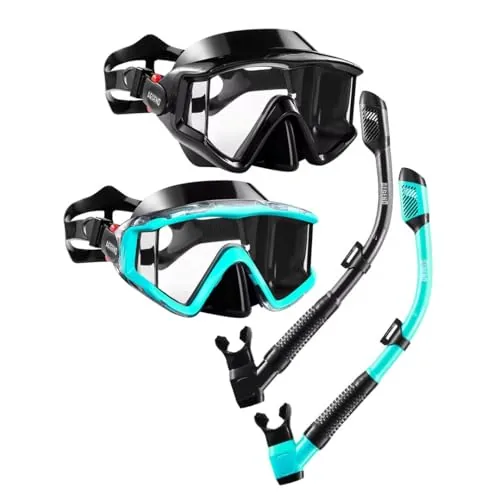
9 Best Snorkel Gear (2026 Review Guide)
Aug 26, 2026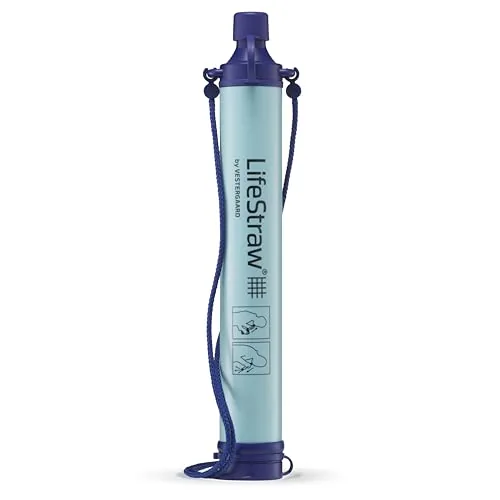
7 Best Travel Water Filters (2026 Review Guide)
Jul 16, 2026
9 Best Waterproof Shoes For Travel (2026 Review Guide)
Aug 24, 2026