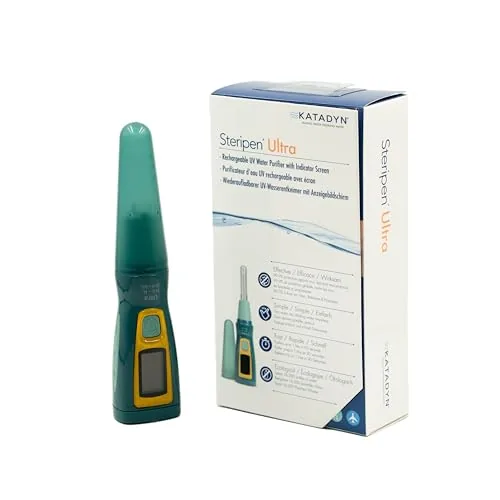
As low as $12
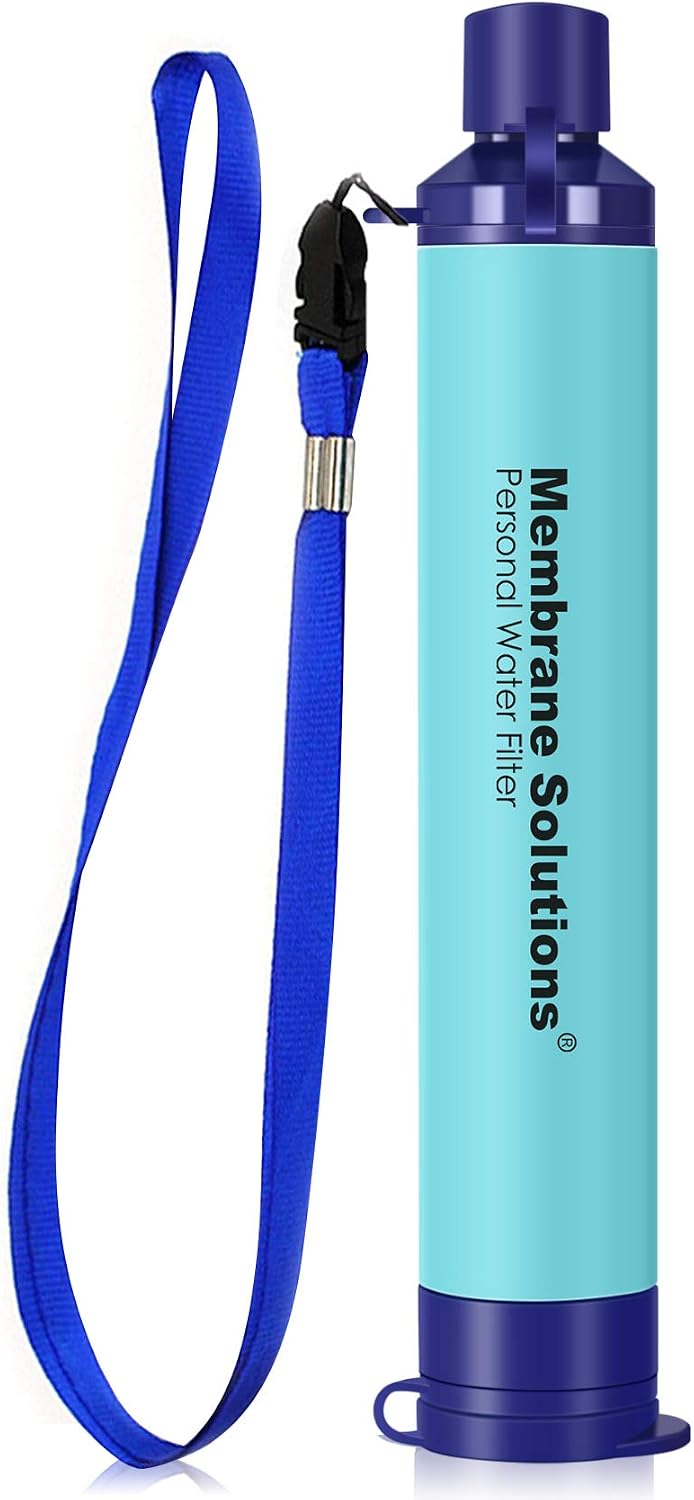
Built for travel, hiking & emergencies - drink safely whether the water is unsafe or just tastes off.
- NSF/ANSI 42, 372 & 401 certified, 0.1 micron filtration
- Filters up to 1,320 gallons - no batteries or pumping
- Ultralight - fits in any bag or pocket
- BPA-free, compatible with standard 28mm bottle threads
Tap water in Cameroon is generally not safe for travelers to drink without treatment. While urban areas like Douala and Yaound have municipal water systems, inconsistent treatment, aging infrastructure, and frequent contamination make it advisable to rely on bottled or purified water. Rural areas often lack improved water sources entirely, making water safety a critical concern for visitors.
Quick Reference
| Concern | Our Advice | |
|---|---|---|
| Drink tap water? | ❌ | Use bottled or filtered water |
| Brush teeth? | ❌ | Use bottled or filtered water |
| Wash fruits / veg? | ❌ | Wash with filtered or bottled water |
| Use ice in drinks? | ❌ | Avoid unless confirmed purified |
| Shower safely? | ✅ | Yes |
| Filter bottle needed? | ❌ | Strongly recommend a Membrane Solutions Filter Straw for all travelers |
| Common risks | Bacterial contamination, Parasitic infections, E. coli, Cholera, Typhoid, Heavy metals, Turbidity, Inadequate chlorination |

Key Statistics


Affiliate links — we earn a small commission at no extra cost to you.
Water Infrastructure & Supply
Cameroon's water supply is managed primarily by CAMWATER (Cameroon Water Utilities Corporation), which took over from the formerly privatized SNEC. The utility operates treatment plants in major cities including Yaound and Douala, drawing water from rivers and reservoirs. However, rapid urbanization has far outpaced infrastructure development, leaving many peri-urban and suburban neighborhoods without reliable piped water connections.
The treatment process in major facilities typically includes coagulation, sedimentation, filtration, and chlorination. However, intermittent supply, low water pressure, and aging distribution pipes mean that even treated water is frequently recontaminated before reaching household taps. Many neighborhoods experience water cuts lasting hours or days, forcing residents to store water in tanks and containers that can become breeding grounds for bacteria and mosquitoes.
Several improvement projects are underway, including the World Bank-funded Cameroon Urban Water Supply Project, which aims to expand access in Yaound, Douala, and 18 secondary cities. The African Development Bank has also supported construction of the Nachtigal Reservoir to boost Yaound's water supply capacity. Despite these efforts, the gap between demand and supply remains significant, and it will likely take years before safely managed water reaches a majority of the population.
Contamination & Health Risks
Waterborne diseases remain a leading cause of morbidity and mortality in Cameroon, particularly among children under five. Common pathogens found in untreated and poorly treated water include E. coli, Salmonella, Vibrio cholerae, Giardia, and Cryptosporidium. Cholera outbreaks occur periodically, especially in the Far North, North, and Littoral regions, often linked to contaminated water sources and poor sanitation.
Industrial pollution and artisanal mining contribute heavy metals such as lead, mercury, and arsenic to water sources in certain regions. Agricultural runoff introduces pesticides and nitrates into surface water and shallow wells. In the oil-producing Bakassi Peninsula area and near the Chad Basin, petroleum-related contamination has been documented in local water sources.
For travelers, the practical risks are significant. Consuming untreated tap water, ice made from tap water, or raw fruits and vegetables washed with tap water can lead to traveler's diarrhea, giardiasis, typhoid, or more serious infections. Even in upscale hotels in Yaound or Douala, it is best to confirm that drinking water and ice are made from purified or bottled water. Showering is generally safe as long as water is not swallowed, but brushing teeth should be done with bottled or purified water.
Regional Water Quality Breakdown
Yaound
cautionThe capital has the country's largest treatment plant at Akomnyada, but intermittent supply and pipe leaks lead to frequent recontamination. Many neighborhoods, especially in peri-urban zones like Nkolbisson and Obili, receive water irregularly. Bottled or filtered water is strongly recommended.
Douala
cautionCameroon's economic capital and largest city has piped water from the Massoumbou treatment plant, but frequent flooding and poor drainage infrastructure contaminate distribution networks. Waterborne disease outbreaks occur, especially during the rainy season from June to October.
Bamenda & Northwest Region
avoidThe ongoing Anglophone crisis has severely disrupted water infrastructure maintenance in Bamenda and surrounding areas. Displacement and conflict have damaged pipes and treatment facilities. Water safety is highly unreliable, and travelers should use only sealed bottled or purified water.
Far North Region (Maroua, Kousseri)
avoidThis semi-arid region faces acute water scarcity and periodic cholera outbreaks. Groundwater sources are often contaminated with fluoride and nitrates, and surface water quality is poor. Travelers should carry ample purified water supplies.
Limbe & Southwest Coast
cautionLimbe, a popular tourist destination on the Atlantic coast, has limited piped water coverage. Many residents and hotels rely on boreholes and springs, whose quality varies. Visitors should verify water purification practices at their accommodations.
Kribi
cautionThis coastal resort town attracts tourists but has a small water distribution network. Hotels typically provide bottled water, but tap water should not be consumed directly. Construction of the nearby deep-sea port has raised concerns about local water source contamination.
Practical Tips for Travelers
- Carry a filter straw (e.g., Membrane Solutions) — it removes bacteria, parasites, and microplastics from any tap or stream. Strongly recommend the Membrane Solutions Filter Straw.
- Always drink bottled or purified water. Look for the seal on bottled water caps to ensure they haven't been refilled , reputable brands like Tangui and Supermont have tamper-evident seals.
- Invest in a portable water filter or purification bottle like a Grayl GeoPress or LifeStraw Go, which can remove bacteria, parasites, and some viruses , essential for travel outside major cities.
- In French-speaking Cameroon, ask for bottled water at restaurants by saying "De l'eau minrale, s'il vous plat" (mineral water, please) and specify "pas de glaons" (no ice) unless you can confirm the ice is made from purified water.
- Avoid eating raw salads and unpeeled fruits from street vendors unless you can peel them yourself. Wash any produce with purified water or a dilute vinegar solution before consumption.
- During the rainy season (June, October), be extra cautious as flooding increases contamination of municipal water supplies and open water sources, and cholera risk rises significantly.
- If staying in budget accommodations, ask the manager about their water source , many guesthouses use boreholes or stored rainwater that may not be treated. Keep bottled water at your bedside for nighttime hydration and teeth brushing.
- Carry oral rehydration salts (ORS) in your travel kit. In case of traveler's diarrhea, they are available at pharmacies locally under the name "SRO" (sels de rhydratation orale) for around 200, 500 CFA francs.
- When purchasing sachet water (sold by street vendors in small plastic bags), choose only brands with clear printed labels and manufacturing details , unmarked sachets may not meet safety standards.
Bottled Water Availability & Cost
Bottled water is widely available throughout Cameroon in shops, markets, hotels, and restaurants. Popular local brands include Tangui (produced by Danone), Supermont, and Semme. A 1.5-liter bottle typically costs 400, 600 CFA francs (approximately $0.65, $1.00 USD) in shops, while a 0.5-liter bottle is around 200, 350 CFA francs ($0.30, $0.55 USD). Restaurant prices are higher, often 500, 1,500 CFA francs for a 0.5-liter bottle depending on the establishment.
Buying water in bulk (packs of six 1.5-liter bottles) from supermarkets like Casino, Mahima, or Santa Lucia is more economical, typically costing 2,000, 3,500 CFA francs per pack. Travelers should be aware of "sachets d'eau" (small plastic bags of purified water sold by street vendors for 25, 50 CFA francs), which are popular among locals but vary in quality and hygiene. For sustainability, consider carrying a filter bottle (such as LifeStraw or Grayl) to reduce plastic waste during your trip.
Frequently Asked Questions
Can I brush my teeth with tap water in Cameroon?
It is not recommended. Even small amounts of contaminated water can introduce harmful bacteria or parasites. Use bottled or filtered water for brushing teeth throughout your stay, especially outside major hotels.
Is it safe to shower in tap water in Cameroon?
Yes, showering with tap water is generally safe as long as you keep your mouth closed and avoid swallowing any water. If you have open wounds or are immunocompromised, consider extra precautions.
Is ice safe in drinks in Cameroon?
Ice is generally unsafe unless you are at an upscale hotel or restaurant that confirms they make ice from purified water. When in doubt, ask for drinks without ice or request sealed bottled beverages.
Is restaurant water safe to drink in Cameroon?
Restaurants in tourist areas and major cities typically serve bottled water, but always confirm. Never drink water served from a jug or glass unless you know it has been purified. Ask specifically for sealed bottled water.
How much does bottled water cost in Cameroon?
A 1.5-liter bottle costs 400, 600 CFA francs ($0.65, $1.00 USD) in shops. Restaurant prices are higher at 500, 1,500 CFA francs. Buying in bulk from supermarkets is more economical for longer stays.
What is sachet water and is it safe?
Sachet water ('pure water') is drinking water sold in small sealed plastic bags for 25, 50 CFA francs. Quality varies widely by producer. Choose branded sachets with clear labels from reputable vendors. When possible, stick to sealed bottled water from known brands.
Do hotels in Cameroon provide safe drinking water?
Mid-range to high-end hotels typically provide complimentary bottled water in rooms and use purified water for their restaurants. Budget accommodations may not, so always ask about their water source and keep your own bottled water supply.
Can I use tap water for cooking in Cameroon?
If tap water is brought to a rolling boil for at least one minute, it is safe for cooking. This kills most bacteria, viruses, and parasites. However, boiling does not remove chemical contaminants, so filtered or bottled water is preferred when available.
Traveling Nearby?
Check tap water safety in neighboring countries:
Central African Republic Chad Republic of the Congo Gabon NigeriaInteresting Product Reviews
7 Best Water Filters For Iron In Well Water (2026 Review Guide)
Aug 1, 2026
9 Best Sump Pumps (2026 Review Guide)
Aug 14, 2026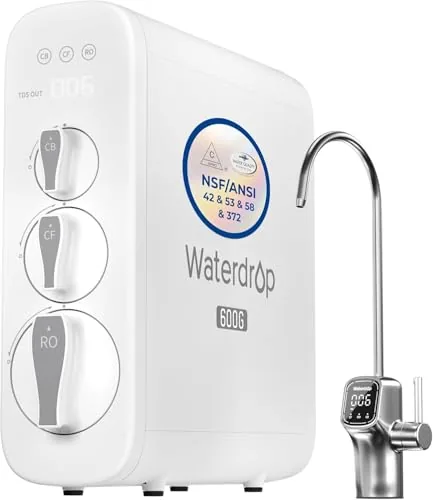
9 Best Tankless Reverse Osmosis Systems (2026 Review Guide)
Jun 30, 2026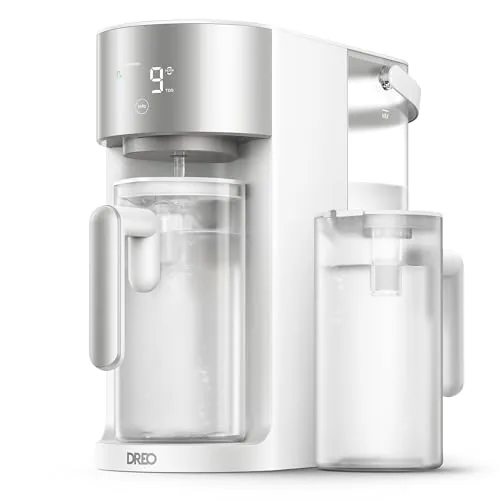
7 Best Countertop Water Filters (2026 Review Guide)
Jul 25, 2026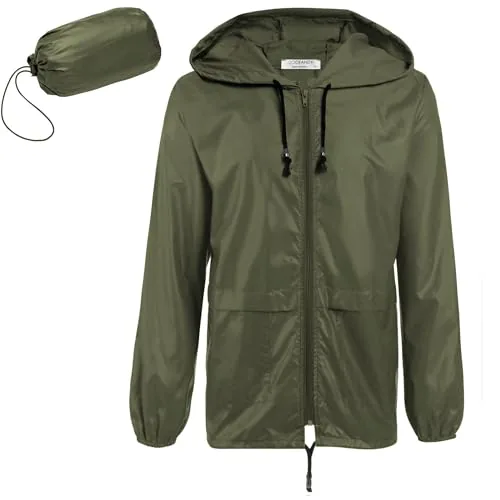
6 Best Packable Rain Jackets (2026 Review Guide)
Aug 24, 2026