As low as $12
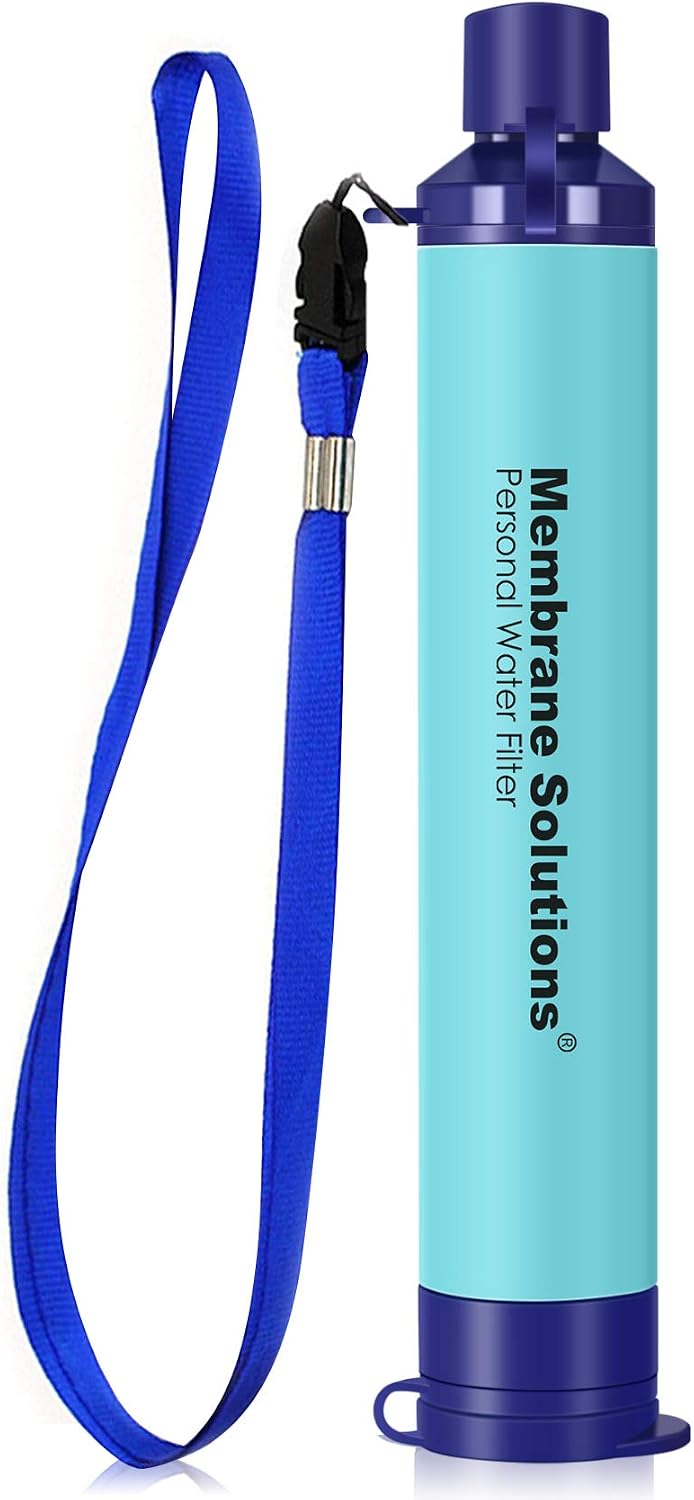
Built for travel, hiking & emergencies - drink safely whether the water is unsafe or just tastes off.
- NSF/ANSI 42, 372 & 401 certified, 0.1 micron filtration
- Filters up to 1,320 gallons - no batteries or pumping
- Ultralight - fits in any bag or pocket
- BPA-free, compatible with standard 28mm bottle threads
Tap water in Latvia is generally safe to drink, especially in major cities like Riga, where the water supply meets EU drinking water standards. The country sources its water primarily from groundwater and surface water treated to European quality benchmarks. Travelers can confidently drink tap water in urban areas, though older buildings with aging pipes may occasionally warrant caution.
Quick Reference
| Concern | Our Advice | |
|---|---|---|
| Drink tap water? | ✅ | Yes, safe in most areas |
| Brush teeth? | ✅ | Yes, no concerns |
| Wash fruits / veg? | ✅ | Yes, safe to use tap water |
| Use ice in drinks? | ✅ | Yes, safe in restaurants |
| Shower safely? | ✅ | Yes |
| Filter bottle needed? | ✅ | Not necessary, but a Membrane Solutions Filter Straw can improve taste |
| Common risks | Aging pipe infrastructure, Occasional heavy metal traces from old plumbing, Seasonal surface water quality variations, Chlorination byproducts |

Key Statistics


Affiliate links — we earn a small commission at no extra cost to you.
Water Infrastructure & Supply
Latvia's water infrastructure has undergone significant modernization since the country joined the European Union in 2004. Historically, the Soviet-era water systems suffered from underinvestment and relied on aging pipes, many of which were made from iron or even lead in the oldest buildings. EU accession brought access to substantial cohesion funds that have been instrumental in upgrading water treatment plants and distribution networks across the country.
The majority of Latvia's drinking water, approximately 70%, comes from groundwater sources, which are naturally of good quality and require relatively minimal treatment. Riga, the capital, draws its water from both the Daugava River (surface water) and deep artesian wells. The Riga Water utility (Rgas dens) operates modern treatment facilities that use coagulation, filtration, ozonation, and UV disinfection alongside traditional chlorination to meet stringent EU Drinking Water Directive standards.
Ongoing infrastructure projects funded through EU structural funds and national investment continue to replace old distribution pipes and improve water treatment in smaller municipalities. The Latvian government has committed to achieving full compliance with the revised EU Drinking Water Directive (2020/2184) by 2027, which includes tighter standards for emerging contaminants such as PFAS and microplastics. Rural areas have seen particular improvements, with new water treatment stations serving communities that previously relied on untreated well water.
Contamination & Health Risks
Latvia's tap water quality in cities and major towns is monitored by the Health Inspectorate (Veselbas inspekcija) and consistently meets EU drinking water standards for microbiological and chemical parameters. Non-compliance rates for key parameters like E. coli and nitrates are very low, typically under 2%. However, in some older residential buildings, particularly Soviet-era apartment blocks, internal plumbing may contain lead or corroded iron pipes that can introduce trace amounts of heavy metals into the water at the tap.
Surface water sources, such as the Daugava River which supplies part of Riga's water, can be affected by agricultural runoff, including nitrates and pesticides, as well as industrial pollution. Water utilities treat these contaminants effectively, but seasonal fluctuations, especially during spring snowmelt, can temporarily challenge treatment systems. Chlorination is used as a standard disinfection method, and while effective, it can produce trihalomethanes (THMs) as byproducts, though levels are monitored and kept within EU limits.
For travelers, the practical health risks from drinking Latvian tap water are minimal in cities like Riga, Jrmala, Daugavpils, and Liepja. The main precaution applies to very old buildings where running the tap for 30 seconds before drinking can help flush out any metal residues from internal pipes. In remote rural areas, private wells may not be monitored to the same standard, so bottled water is a reasonable alternative in those settings.
Regional Water Quality Breakdown
Riga
safeRiga's water supply is managed by Rgas dens and meets all EU drinking water standards. Water is sourced from the Daugava River and artesian wells, treated with modern multi-barrier processes. Tap water is safe to drink throughout the city, though flushing old pipes for a few seconds is advised in pre-1950s buildings.
Jrmala
safeThis popular seaside resort city has upgraded its water infrastructure with EU funding. Groundwater-sourced tap water is safe to drink. Water quality is regularly monitored and consistently meets regulatory standards.
Daugavpils
safeLatvia's second-largest city sources its drinking water primarily from groundwater. Recent infrastructure investments have improved pipe networks and treatment. Tap water is safe for consumption, though some residents in older Soviet-era buildings prefer filtered water due to pipe age.
Liepja
safeLiepja's water utility provides treated groundwater that meets EU standards. The city has benefited from EU-funded water system modernization. Tap water is reliably safe for travelers.
Sigulda & Gauja National Park area
safeThis popular tourist region in the Vidzeme highlands benefits from high-quality groundwater sources. Municipal water in Sigulda town is safe. Visitors staying in rural guesthouses should confirm whether water comes from a municipal or private well source.
Rural Latvia (small villages & countryside)
cautionIn remote rural areas, some households rely on private wells that may not undergo regular testing. Water quality can vary depending on local geological conditions, with occasional elevated iron or manganese levels. Travelers are advised to ask hosts about their water source or use bottled water as a precaution.
Practical Tips for Travelers
- Carry a filter straw (e.g., Membrane Solutions) — it removes bacteria, parasites, and microplastics from any tap or stream. Strongly recommend the Membrane Solutions Filter Straw.
- Tap water in Latvian cities meets EU drinking water standards, carry a reusable bottle to refill throughout the day and reduce plastic waste.
- In older Soviet-era apartment buildings, let the cold tap run for 20-30 seconds before filling your glass to flush out any metal residues from aging internal pipes.
- To ask for tap water in Latvian, say 'Krna deni, ldzu' (Tap water, please). In restaurants, you can specify 'deni no krna' to distinguish from bottled water.
- If you're staying in a rural guesthouse or farmstay, ask your host 'Vai krna dens ir dzerams?' (Is the tap water drinkable?) to confirm whether the water comes from a tested municipal supply or a private well.
- Ice in drinks at bars and restaurants in Riga and other cities is made from treated tap water and is safe to consume.
- Buy bottled water at supermarket chains like Rimi, Maxima, or Lidl for the best prices, look for Latvian brands like Mangai for a local option at around 0.50 per 1.5L.
- Latvia's tap water may taste slightly different from region to region due to varying mineral content in groundwater sources, this is normal and not a safety concern.
- A filtered water bottle is not strictly necessary in Latvia's cities, but can be useful if you plan extensive travel through the countryside or prefer to be extra cautious.
Bottled Water Availability & Cost
Bottled water is widely available throughout Latvia in supermarkets, convenience stores, gas stations, and restaurants. Popular local brands include Mangai, ekava, and Javots, with international brands like Evian and Vittel also available. A 0.5-liter bottle typically costs 0.50, 1.00 in a shop and 1.50, 3.00 in a restaurant. A 1.5-liter bottle from a supermarket such as Rimi or Maxima generally costs between 0.40 and 0.90.
For travelers looking to save money and reduce plastic waste, buying water in bulk (6-packs of 1.5L bottles) can bring the per-unit cost down to around 0.35, 0.50. Given that Latvia's tap water is safe in urban areas, carrying a reusable bottle is the most sustainable and economical option. Many cafs and restaurants in Riga will also provide tap water free of charge upon request, though this is not yet as common as in Scandinavian countries.
Frequently Asked Questions
Can I brush my teeth with tap water in Latvia?
Yes, tap water throughout Latvia's cities and towns is safe for brushing teeth. The water meets EU drinking water standards for microbiological safety, so there is no risk of illness from oral contact.
Is it safe to shower in Latvian tap water?
Absolutely. Showering in Latvian tap water is completely safe. The water may have a slight chlorine smell in some cities, but this is harmless and indicates active disinfection treatment.
Can I drink ice in drinks at restaurants in Latvia?
Yes, ice served in restaurants, cafs, and bars in Latvia is made from treated tap water and is safe to consume. This applies across all cities and tourist areas.
Do restaurants in Latvia serve free tap water?
It's becoming more common, especially in Riga, but it's not universally expected as in some Western European countries. You can politely request 'krna deni' (tap water), though some restaurants may default to offering bottled water.
How much does bottled water cost in Latvia?
A 0.5L bottle costs 0.50, 1.00 in shops and 1.50, 3.00 in restaurants. A 1.5L bottle in a supermarket is typically 0.40, 0.90. Buying in bulk at Rimi or Maxima offers the best value.
Is tap water safe to drink in Riga's Old Town?
Yes, tap water in Riga's Old Town is safe. However, some historic buildings may have very old plumbing, so it's wise to let the tap run briefly before drinking. Hotels and modern restaurants use well-maintained plumbing systems.
Should I avoid tap water in Latvia's countryside?
Municipal water supplies in Latvian towns are safe. In the deep countryside, some properties use private wells that may have elevated iron or manganese levels. When in doubt, ask your host about the water source or opt for bottled water.
Does Latvia add fluoride to its tap water?
No, Latvia does not fluoridate its public water supply. The mineral content of Latvian tap water comes naturally from groundwater sources and varies by region, but fluoride is not artificially added.
Interesting Product Reviews
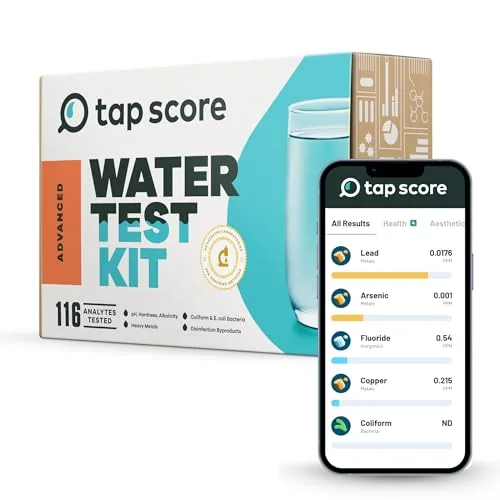
9 Best Well Water Test Kits (2026 Review Guide)
Aug 15, 2026
7 Best Water Filters For Nitrates (2026 Review Guide)
Jul 30, 2026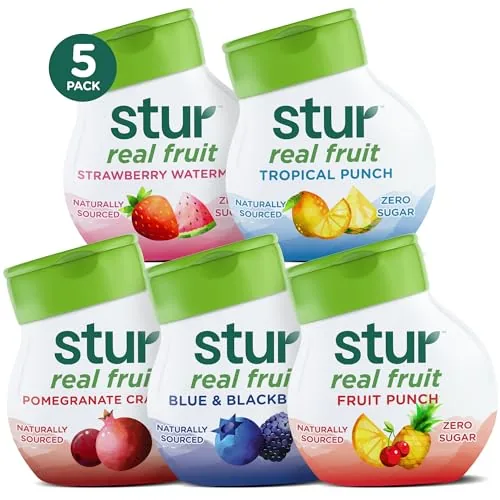
8 Best Water Flavor Drops (2026 Review Guide)
Aug 9, 2026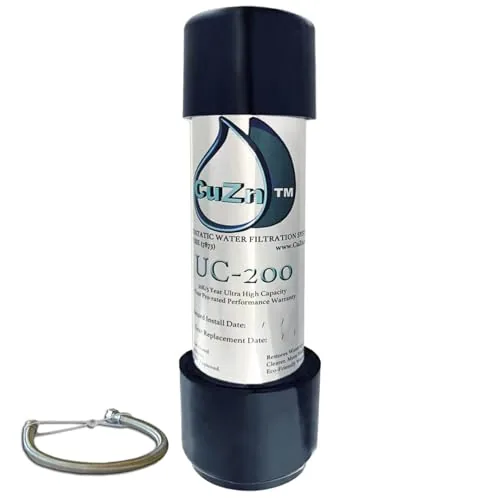
6 Best Water Filters For Pharmaceuticals In Tap Wates (2026 Review Guide)
Aug 2, 2026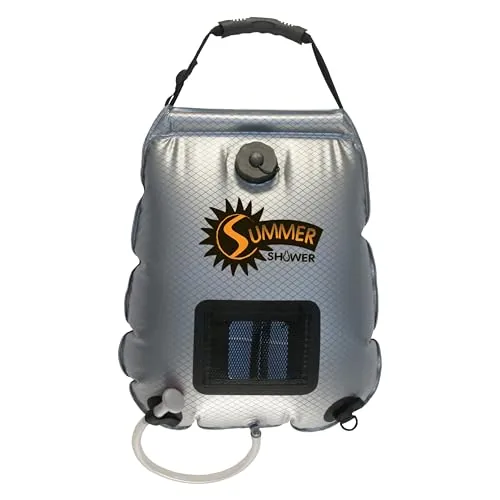
9 Best Solar Showers For Camping (2026 Review Guide)
Aug 22, 2026