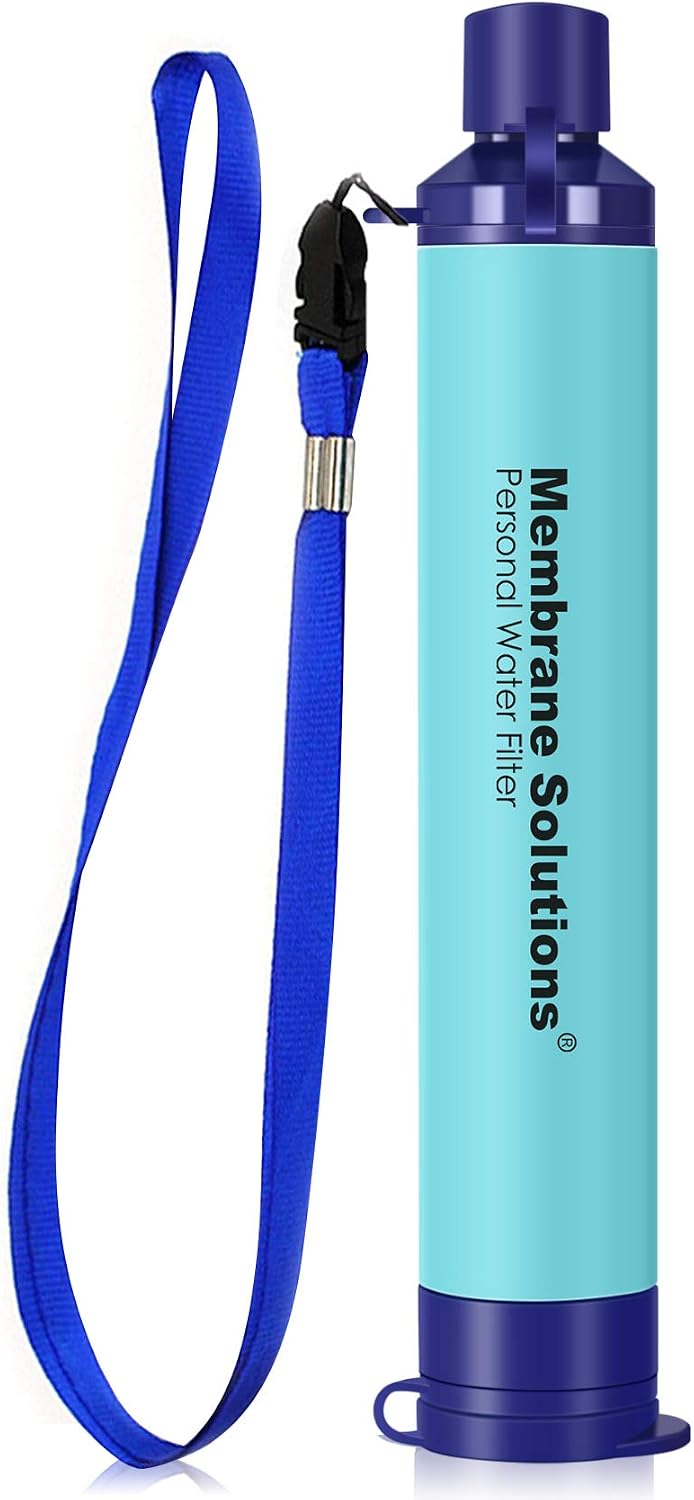
As low as $12
Built for travel, hiking & emergencies - drink safely whether the water is unsafe or just tastes off.
- NSF/ANSI 42, 372 & 401 certified, 0.1 micron filtration
- Filters up to 1,320 gallons - no batteries or pumping
- Ultralight - fits in any bag or pocket
- BPA-free, compatible with standard 28mm bottle threads
Iceland has some of the cleanest and safest tap water in the world, sourced primarily from natural springs and glacial aquifers. Travelers can drink tap water anywhere in the country with complete confidence. The water is naturally filtered through volcanic rock and requires minimal treatment, making it exceptionally pure and refreshing.
Quick Reference
| Concern | Our Advice | |
|---|---|---|
| Drink tap water? | ✅ | Yes, safe in most areas |
| Brush teeth? | ✅ | Yes, no concerns |
| Wash fruits / veg? | ✅ | Yes, safe to use tap water |
| Use ice in drinks? | ✅ | Yes, safe in restaurants |
| Shower safely? | ✅ | Yes |
| Filter bottle needed? | ✅ | Not necessary, but a Membrane Solutions Filter Straw can improve taste |
| Common risks | Geothermal sulfur odor in hot water, Occasional volcanic ash contamination near eruption sites |

Key Statistics


Affiliate links — we earn a small commission at no extra cost to you.
Water Infrastructure & Supply
Iceland's water infrastructure benefits from the island's extraordinary geology. The country sits atop vast reserves of naturally filtered groundwater, with approximately 95% of drinking water sourced from underground springs that have been filtered through layers of volcanic basalt rock over decades or even centuries. Reykjavik's water utility, Veitur, has been supplying the capital region with untreated spring water since the early 20th century, and the water is so pure that it typically requires no chlorination or chemical treatment.
The cold water supply and hot water supply in Iceland operate as separate systems. Cold drinking water comes from pristine groundwater wells and springs, while hot water is geothermally heated and distributed through a separate pipeline system. The hot water, drawn from geothermal reservoirs, carries a distinctive sulfur smell and is not intended for drinking but is perfectly safe for bathing and heating. Major water utilities like Veitur in Reykjavik and smaller municipal utilities across the country continuously monitor water quality with regular testing.
Investments in water infrastructure have focused on maintaining the purity of the existing system and upgrading aging distribution networks. Iceland's Drinking Water Regulation (based on EU Directive standards) sets strict quality parameters. Remote rural areas and farms often have their own private spring or borehole water supplies, which are also generally of excellent quality due to the geological filtration. The Icelandic government has committed to protecting water catchment areas from contamination through strict environmental regulations.
Contamination & Health Risks
Iceland presents virtually no waterborne health risks to travelers. The tap water consistently meets or exceeds all EU and WHO drinking water quality guidelines. Bacterial contamination is extremely rare due to the natural geological filtration process and the low population density around water sources. There are no reports of parasites such as Giardia or Cryptosporidium in Icelandic municipal water supplies.
The primary concern for visitors is not contamination but rather the sulfur odor of geothermally heated hot water. When you first turn on the hot tap, you may notice a rotten-egg smell caused by hydrogen sulfide , this is completely harmless but can be off-putting. Running the cold water tap for a few seconds before drinking ensures you get the fresh, odorless cold water supply. In rare cases following volcanic eruptions, localized ash fallout could temporarily affect surface water sources, but municipal systems are well-equipped to handle such events.
Heavy metal contamination is not a concern in Icelandic water. Lead levels are negligible as modern plumbing standards have long since replaced any older lead-containing pipes. Agricultural runoff is minimal given Iceland's limited farming footprint and strict environmental protections. All in all, Iceland's tap water is among the safest in the world, and travelers face no practical health risks from drinking it.
Regional Water Quality Breakdown
Reykjavik & Capital Region
safeReykjavik's tap water, supplied by Veitur from the Heimrk nature reserve springs, is exceptionally pure and consistently ranks among the best municipal water in Europe. No chlorination or chemical treatment is required. The water is safe to drink directly from any tap in the city.
Akureyri & North Iceland
safeAkureyri, Iceland's second-largest urban area, has excellent tap water sourced from local groundwater. The municipal water supply is regularly tested and meets all quality standards. Travelers visiting Mvatn, Hsavk, and surrounding areas can drink tap water with confidence.
South Coast & Vk
safeTowns along the popular south coast route, including Selfoss, Hella, Vk, and Hfn, all have safe, high-quality municipal water supplies. Water is sourced from local springs and wells filtered through volcanic rock. Even small guesthouses in rural areas typically have excellent water quality.
Westfjords
safeThe remote Westfjords region, including safjrur, has clean and safe tap water. Due to the low population density and pristine environment, water sources remain uncontaminated. Travelers in this area can freely drink from municipal taps.
Snfellsnes Peninsula
safeThe Snfellsnes Peninsula, including the town of Stykkishlmur, has excellent water quality. Stykkishlmur is actually famous for its particularly delicious spring water. Local water supplies are well-maintained and perfectly safe for drinking.
Highland Interior & Remote Areas
cautionIn the uninhabited highland interior, there are no municipal water systems. Streams and rivers are generally very clean, but travelers should exercise normal backcountry caution , water near geothermal areas may contain minerals or elevated temperatures. Bringing water from the last town or using a portable filter is advisable for multi-day highland treks.
Practical Tips for Travelers
- Carry a filter straw (e.g., Membrane Solutions) — it removes bacteria, parasites, and microplastics from any tap or stream. Strongly recommend the Membrane Solutions Filter Straw.
- Always drink from the cold water tap , the hot water in Iceland comes from a separate geothermal system and has a sulfur smell. Run the cold tap for a few seconds first to ensure you're getting fresh cold water.
- Bring a reusable water bottle and refill it from any tap to save money and reduce plastic waste. In Icelandic you can say 'M g f vatn?' (May I have water?) at restaurants.
- Don't waste money on bottled water in Iceland , the tap water is literally the same source that premium bottled water brands like Icelandic Glacial use.
- When showering, the initial sulfur smell from geothermal hot water is completely normal and harmless. It dissipates quickly and won't linger on your skin or hair.
- If hiking in the highlands, carry enough water from the last populated area or purify stream water as a precaution, especially near geothermal zones where mineral content may be elevated.
- Ice in drinks at restaurants and bars is made from the same pristine tap water and is completely safe to consume.
- At restaurants, ask for 'kranavatn' (tap water) instead of ordering bottled water , most places will provide it free of charge, and it's the same excellent quality.
- Fill up your water bottle at Reykjavik's public drinking fountains or even restroom taps at tourist sites , the water quality is identical throughout the municipal system.
Bottled Water Availability & Cost
Bottled water is widely available in Iceland but is considered largely unnecessary by locals, who often view it as an odd purchase given the quality of tap water. In supermarkets like Bnus, Krnan, and Hagkaup, a 500ml bottle of water costs approximately 200, 400 ISK (about $1.50, $3.00 USD), while in restaurants and tourist shops prices can reach 500, 800 ISK ($3.50, $6.00 USD). Popular brands include Icelandic Glacial and lgerin Egils.
Given Iceland's pristine tap water, purchasing bottled water is both unnecessary and environmentally wasteful. Travelers are strongly encouraged to bring a reusable water bottle and refill it from any tap , even public restroom taps provide safe drinking water. Many guesthouses, hotels, and cafes will happily refill your bottle for free. This practice aligns with Iceland's strong sustainability ethos and will save you significant money in one of the world's most expensive countries.
Frequently Asked Questions
Can I brush my teeth with tap water in Iceland?
Absolutely. Iceland's tap water is among the purest in the world and is completely safe for brushing teeth. Just make sure to use the cold water tap, as the hot water has a sulfur taste from the geothermal heating system.
Is it safe to shower in Icelandic water?
Yes, showering is completely safe. The hot water is geothermally heated and you may notice a sulfur (rotten egg) smell, but this is entirely harmless. The smell does not linger on your body. Showering before entering swimming pools is mandatory in Iceland and the water is perfectly safe.
Is ice safe in drinks in Iceland?
Yes, ice in drinks is completely safe throughout Iceland. It is made from the same high-quality municipal tap water that meets some of the strictest water quality standards in Europe.
Why does the hot water in Iceland smell like sulfur?
Iceland heats most of its buildings using geothermal energy. The hot water piped to homes and hotels is geothermally heated and naturally contains hydrogen sulfide, which produces the characteristic sulfur or rotten-egg smell. This is completely harmless but the hot water is not intended for drinking. The cold water supply comes from a separate system and is odorless.
Is restaurant tap water free in Iceland?
Most restaurants will provide free tap water if you ask for it. Request 'kranavatn' (tap water) to make it clear you want tap rather than bottled water. Given that Iceland is one of the most expensive countries in the world, this can save you a significant amount over the course of your trip.
How much does bottled water cost in Iceland?
A 500ml bottle of water costs around 200, 400 ISK ($1.50, $3.00 USD) in supermarkets and 500, 800 ISK ($3.50, $6.00 USD) in restaurants and tourist shops. However, purchasing bottled water in Iceland is widely considered unnecessary since the tap water is of identical or superior quality.
Can I drink water from streams and rivers in Iceland?
Many streams in Iceland are fed by clean glacial or spring water and are generally safe, but caution is advised. Avoid drinking from streams near geothermal areas (high mineral content), near farms (possible livestock contamination), or from glacial rivers with heavy sediment. When in doubt, bring water from town or use a filter.
Do I need a water filter bottle for traveling in Iceland?
No, a water filter bottle is unnecessary for normal travel in Iceland. The tap water everywhere in the country , in cities, small towns, guesthouses, and hotels , is safe to drink without any filtration. A filter might be useful only for backcountry hikers who plan to drink from natural water sources in the highlands.
Traveling Nearby?
Check tap water safety in neighboring countries:
Vatican City Denmark Liechtenstein MaltaInteresting Product Reviews
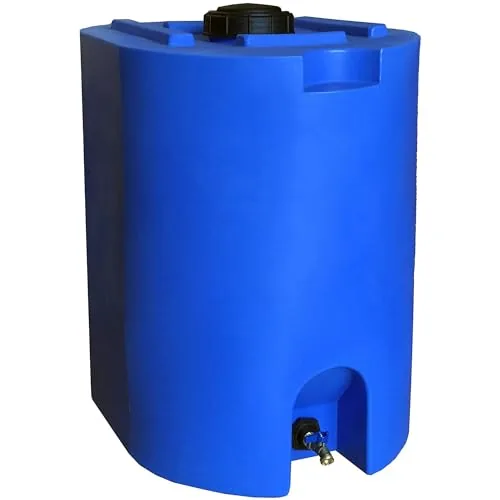
7 Best Emergency Water Storage Tanks (2026 Review Guide)
Aug 21, 2026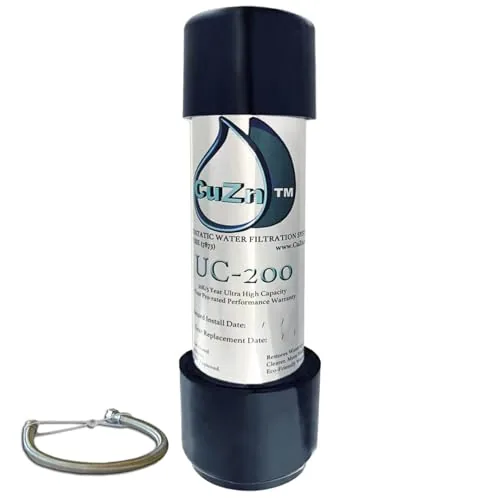
6 Best Water Filters For Pharmaceuticals In Tap Wates (2026 Review Guide)
Aug 2, 2026
6 Best Water Filters For Limescale (2026 Review Guide)
Aug 1, 2026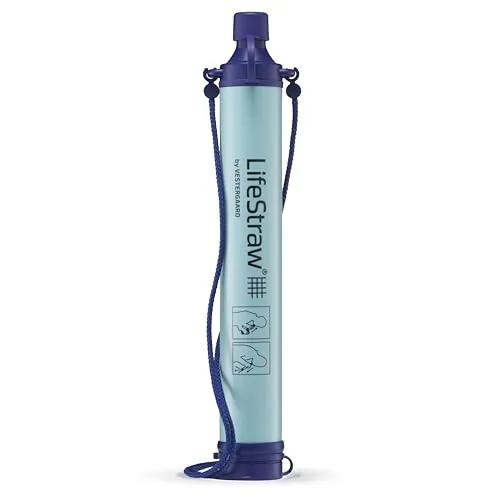
9 Best Water Filters For Backpacking (2026 Review Guide)
Jul 19, 2026
6 Best High Pressure Shower Heads (2026 Review Guide)
Aug 19, 2026