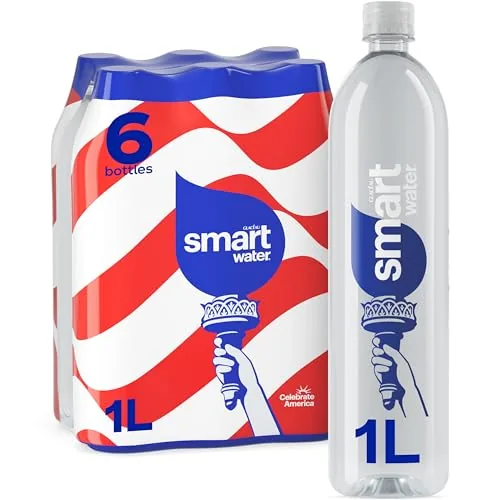
As low as $12
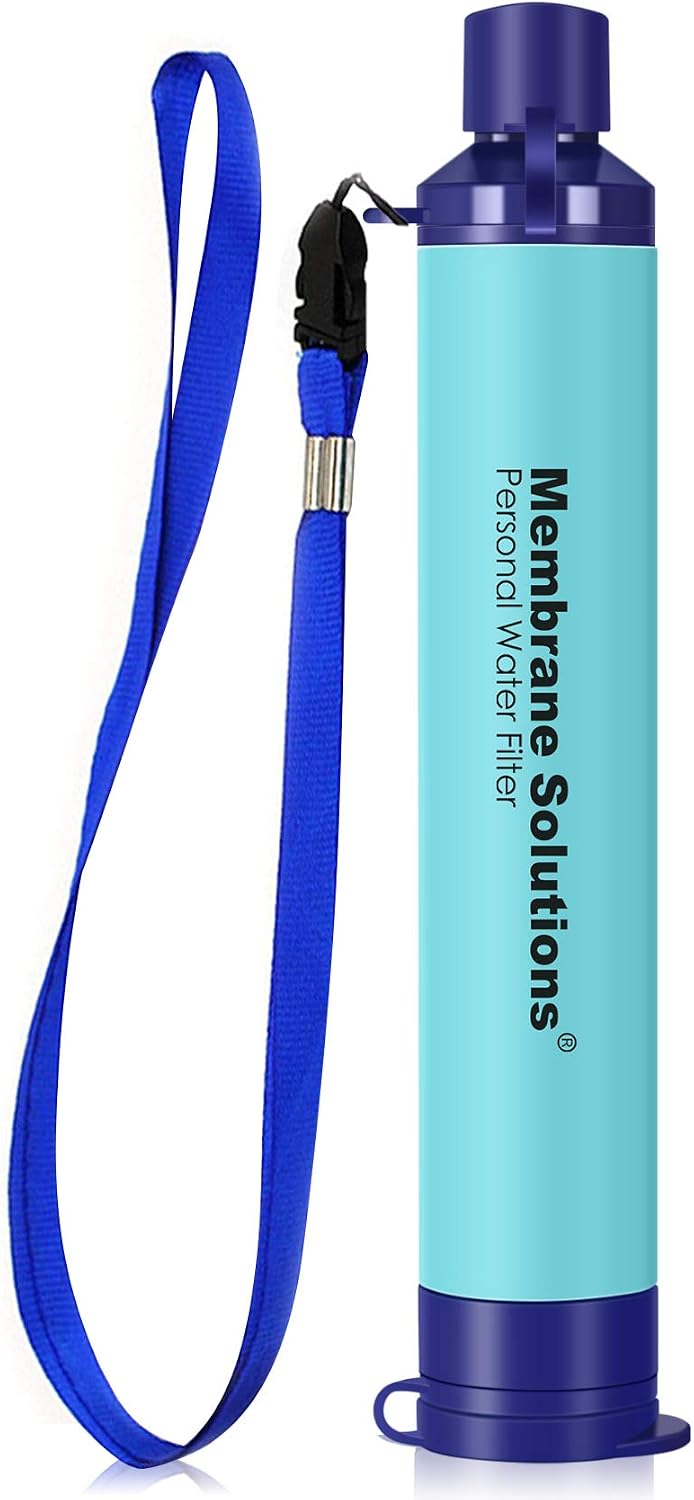
Built for travel, hiking & emergencies - drink safely whether the water is unsafe or just tastes off.
- NSF/ANSI 42, 372 & 401 certified, 0.1 micron filtration
- Filters up to 1,320 gallons - no batteries or pumping
- Ultralight - fits in any bag or pocket
- BPA-free, compatible with standard 28mm bottle threads
Tap water in Turkey is generally not recommended for drinking by travelers, although it is technically treated and chlorinated in most cities. Water quality varies significantly by region, with Istanbul and other major cities having improved infrastructure but aging pipes that can introduce contaminants. Most locals and visitors rely on bottled or filtered water for drinking purposes.
Quick Reference
| Concern | Our Advice | |
|---|---|---|
| Drink tap water? | ❌ | Use bottled or filtered water |
| Brush teeth? | ✅ | Yes, no concerns |
| Wash fruits / veg? | ✅ | Yes, safe to use tap water |
| Use ice in drinks? | ❌ | Avoid unless confirmed purified |
| Shower safely? | ✅ | Yes |
| Filter bottle needed? | ❌ | Strongly recommend a Membrane Solutions Filter Straw for all travelers |
| Common risks | Bacterial contamination from aging pipes, Heavy metals (lead, iron), Chlorination byproducts, Hard water minerals, E. coli in rural areas, Sediment from old infrastructure |

Key Statistics


Affiliate links — we earn a small commission at no extra cost to you.
Water Infrastructure & Supply
Turkey has made significant investments in water infrastructure over the past two decades, particularly through its national development plans and EU accession-driven reforms. The General Directorate of State Hydraulic Works (DS) oversees major water resource management, while municipal water utilities (SK in Istanbul, ASK in Ankara) manage urban supply. Historical reliance on surface water reservoirs and dams has been supplemented by groundwater extraction and, in some areas, desalination.
Major cities like Istanbul, Ankara, and Izmir treat their water to WHO-compliant standards at the treatment plant. Istanbul's SK operates advanced water treatment facilities drawing from reservoirs like merli and Terkos, using coagulation, filtration, and chlorination. However, the distribution network across the country includes many aging pipes , some over 30-50 years old , which can leach lead, iron, and other contaminants into the water before it reaches the tap.
Turkey has been upgrading its water infrastructure through projects funded by the European Bank for Reconstruction and Development (EBRD) and the World Bank. The government's 2023 Water Action Plan targets reducing non-revenue water losses (currently around 36%) and expanding wastewater treatment capacity. Southeastern and eastern regions have historically lagged behind western Turkey in water infrastructure quality, though ongoing investments are closing this gap.
Contamination & Health Risks
The primary health risk for travelers drinking Turkish tap water comes not from the treatment plants themselves but from the distribution system. Aging pipes, particularly in older neighborhoods and smaller cities, can introduce heavy metals, sediment, and bacterial contamination. Studies by Turkish universities have found elevated levels of iron, manganese, and occasionally lead in tap water samples from various cities, particularly in buildings with old internal plumbing.
Rural areas and southeastern Turkey present higher risks, as some communities rely on groundwater sources that may be contaminated by agricultural runoff, including nitrates and pesticides. In tourist areas along the Mediterranean and Aegean coasts, water quality tends to be better but can fluctuate seasonally, especially during the high tourist season when demand strains local systems. E. coli contamination has been documented in some rural water supplies.
For travelers, the most common issues from drinking tap water are gastrointestinal discomfort, including traveler's diarrhea, stomach cramps, and nausea. These symptoms are typically caused by unfamiliar mineral content and microbial exposure rather than serious pathogens. Using tap water for brushing teeth and washing fruits is generally safe in urban areas, but drinking water should come from sealed bottles or filtered sources to avoid disrupting your trip.
Regional Water Quality Breakdown
Istanbul
cautionIstanbul's SK treats water to high standards at the source, but the city's vast and aging pipe network (some sections over 50 years old) can compromise quality by the time it reaches your tap. Water in newer buildings and upscale hotels is generally better. Most residents use filtered water or buy bottled water for drinking.
Antalya & Mediterranean Coast
cautionAntalya and surrounding resort towns have decent water treatment infrastructure to serve the large tourism industry. However, water hardness is high due to limestone geology, which can cause taste issues. Tourist hotels typically provide filtered or bottled water, and it's advisable to stick with those options.
Ankara
cautionThe capital's ASK utility has modernized much of its water treatment and distribution network. Water quality at the treatment plant meets standards, but older neighborhoods may have pipe issues. The water has a noticeable chlorine taste that many visitors find unpleasant.
Cappadocia (Nevehir)
cautionThis popular tourist region relies on groundwater sources that are generally clean but can have high mineral content. Small towns like Greme and rgp have basic treatment systems. Bottled water is strongly recommended for drinking, though tap water is fine for hygiene.
Izmir & Aegean Coast
cautionIzmir has invested heavily in water infrastructure and its ZSU utility provides relatively good quality water. Coastal resort towns like Bodrum and Kuadas have adequate systems, but summer tourist surges can strain local supply. Filtered or bottled water is still the safer choice for drinking.
Southeastern Turkey (Diyarbakr, anlurfa, Mardin)
avoidThis region has historically underinvested water infrastructure, with older treatment plants and distribution networks. Agricultural contamination of groundwater is a concern in some areas. Travelers should strictly use bottled or filtered water for all consumption including brushing teeth.
Practical Tips for Travelers
- Carry a filter straw (e.g., Membrane Solutions) — it removes bacteria, parasites, and microplastics from any tap or stream. Strongly recommend the Membrane Solutions Filter Straw.
- Always ask for sealed bottled water by saying 'Kapal su, ltfen' (Sealed water, please) to ensure you receive an unopened bottle at restaurants.
- Carry a filter water bottle (such as LifeStraw Go or Grayl) , it will save you money and reduce plastic waste while ensuring safe hydration throughout your trip.
- Be cautious with ice in drinks outside of major tourist hotels and international restaurant chains, as it may be made from unfiltered tap water.
- When buying bottled water from street vendors, check that the seal is intact , occasionally bottles are refilled with tap water and resold.
- In Turkish tea houses (ay bahesi), the ay and Turkish coffee are safe to drink since the water has been boiled at high temperatures during preparation.
- Look for BM, A101, or OK discount supermarkets for the cheapest bottled water , a 1.5L bottle can cost as little as 7-10 TL compared to 20+ TL at tourist shops.
- If staying in an Airbnb or rental apartment, check whether a water filter or damacana (large water jug) dispenser is provided , many Turkish homes already have one installed.
- For washing fruits and vegetables, tap water in major cities is adequate, but in rural areas or southeastern Turkey, use bottled water or soak produce in water with a splash of vinegar for extra safety.
Bottled Water Availability & Cost
Bottled water is extremely affordable and widely available throughout Turkey. A 500ml bottle typically costs 5-15 Turkish Lira (approximately $0.15-0.45 USD) at convenience stores, while a 1.5L bottle ranges from 10-25 TL ($0.30-0.75 USD). Popular local brands include Erikli, Hayat, Pnar, Damla, and Saka, all of which are reliable and widely distributed. International brands like Evian and Perrier are available at higher-end shops and hotels at premium prices.
For budget-conscious travelers, purchasing 5L or 19L jugs (damacana) from supermarkets like Migros, BM, or A101 is the most economical option, with 5L jugs costing 20-40 TL ($0.60-1.20 USD). Many hotels and restaurants provide complimentary water, and some tourist areas have water dispensing stations. To reduce plastic waste, consider bringing a reusable bottle with a built-in filter , brands like LifeStraw or Grayl work well for Turkish tap water conditions.
Frequently Asked Questions
Can I brush my teeth with tap water in Turkey?
Yes, brushing your teeth with tap water is generally safe in Turkish cities like Istanbul, Ankara, Antalya, and Izmir. The water is chlorinated and the brief exposure while brushing poses minimal risk. However, in rural areas and southeastern Turkey, consider using bottled water as an extra precaution.
Is it safe to shower in Turkish tap water?
Absolutely. Showering in Turkish tap water is safe throughout the country. The chlorination levels are sufficient to prevent skin infections, and the water does not pose any risk through skin contact. You may notice high mineral content in some areas, which can leave a residue on hair and skin , a travel-size shower filter can help if you're sensitive.
Is ice safe in Turkish restaurants and bars?
In upscale restaurants, hotels, and international chains in major tourist areas, ice is typically made from purified or filtered water and is safe. However, in smaller local restaurants and street food stalls, ice may be made from unfiltered tap water. When in doubt, order drinks without ice by saying 'Buzsuz, ltfen' (Without ice, please).
Do Turkish restaurants serve safe drinking water?
Most Turkish restaurants serve sealed bottled water, which is safe. Free tap water is rarely offered at restaurants in Turkey , water is typically a paid item on the menu. Always ensure your bottle arrives sealed at the table. Some high-end restaurants may have their own filtration systems for table water.
How much does bottled water cost in Turkey?
Bottled water is very affordable in Turkey. A 500ml bottle costs 5-15 TL ($0.15-0.45 USD) at shops, while a 1.5L bottle runs 10-25 TL ($0.30-0.75 USD). Prices are higher at tourist sites, airports, and hotel minibars. Buying from discount chains like BM or A101 offers the best value.
Why don't Turkish locals drink tap water if it's treated?
While Turkish water treatment plants produce water that meets national standards, the main issue is the aging distribution infrastructure. Old pipes, storage tanks, and building plumbing can reintroduce contaminants after treatment. Most Turkish households use either a reverse osmosis filtration system, a water dispenser with large 19-liter jugs (damacana), or buy bottled water for drinking.
Is Turkish tap water safe for making baby formula?
No, it is not recommended to use Turkish tap water for preparing baby formula. The mineral content and potential contaminants from old pipes make it unsuitable for infants. Use sealed bottled water labeled 'doal kaynak suyu' (natural spring water) with low mineral content, or boil bottled water as an extra precaution.
Can I drink water from public fountains in Turkey?
Turkey has a tradition of public drinking fountains (eme), and some historical ones in cities like Istanbul are still active. However, not all are safe for drinking , look for signs saying 'ilebilir' (drinkable) or 'ilmez' (not drinkable). When in doubt, avoid drinking from public fountains and stick to bottled water.
Traveling Nearby?
Check tap water safety in neighboring countries:
Bulgaria Georgia Greece Armenia Azerbaijan Iran Iraq SyriaInteresting Product Reviews
7 Best Low-Flow Shower Heads (2026 Review Guide)
Aug 19, 2026
7 Best Shower Filters For Hard Water (2026 Review Guide)
Jul 26, 2026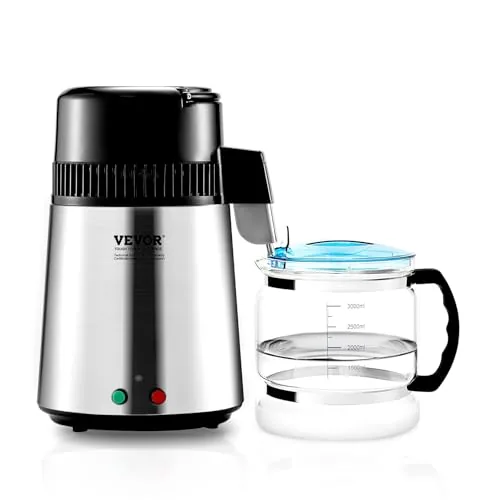
9 Best Water Distillers For Home Use (2026 Review Guide)
Jul 27, 2026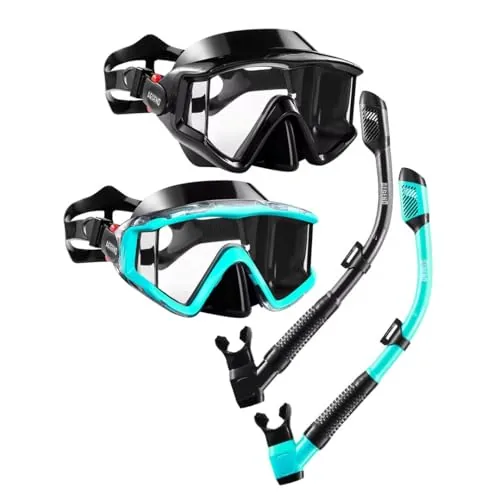
9 Best Snorkel Gear (2026 Review Guide)
Aug 26, 2026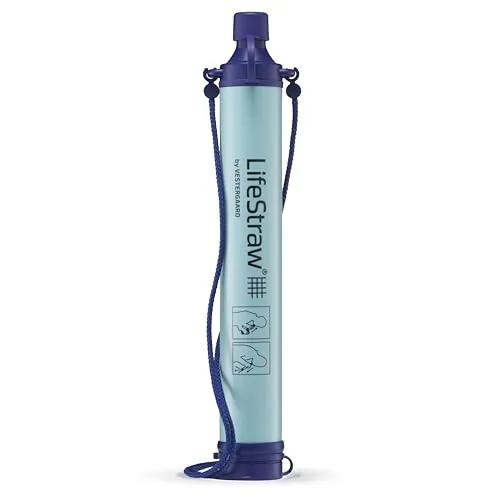
9 Best Water Filters For Backpacking (2026 Review Guide)
Jul 19, 2026