As low as $12
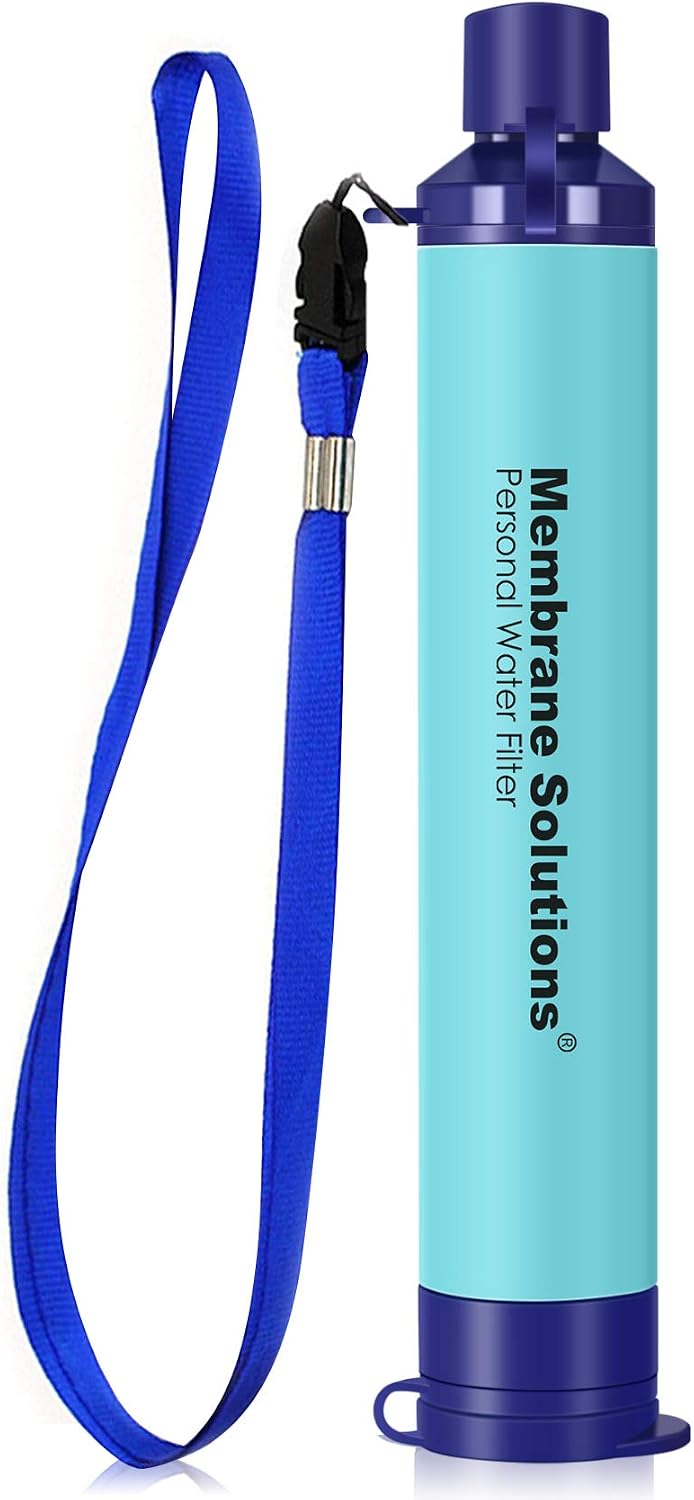
Built for travel, hiking & emergencies - drink safely whether the water is unsafe or just tastes off.
- NSF/ANSI 42, 372 & 401 certified, 0.1 micron filtration
- Filters up to 1,320 gallons - no batteries or pumping
- Ultralight - fits in any bag or pocket
- BPA-free, compatible with standard 28mm bottle threads
Tap water in Iran's major cities like Tehran, Isfahan, and Shiraz is generally treated and chlorinated, but quality varies significantly by region and season. Travelers are advised to drink bottled or filtered water, especially in rural areas and smaller towns, due to aging infrastructure, potential heavy metal contamination, and inconsistent treatment standards. Most locals in large cities drink tap water, but visitors with unaccustomed digestive systems should exercise caution.
Quick Reference
| Concern | Our Advice | |
|---|---|---|
| Drink tap water? | ❌ | Use bottled or filtered water |
| Brush teeth? | ✅ | Yes, no concerns |
| Wash fruits / veg? | ✅ | Yes, safe to use tap water |
| Use ice in drinks? | ❌ | Avoid unless confirmed purified |
| Shower safely? | ✅ | Yes |
| Filter bottle needed? | ❌ | Strongly recommend a Membrane Solutions Filter Straw for all travelers |
| Common risks | Bacterial contamination, Heavy metals, Nitrate contamination, Aging pipe infrastructure, Chlorination byproducts, Seasonal turbidity |

Key Statistics


Affiliate links — we earn a small commission at no extra cost to you.
Water Infrastructure & Supply
Iran's modern water supply system dates back to the Pahlavi era, though the country has a millennia-old tradition of qanat systems , underground aqueducts that historically supplied cities and agriculture. Today, Iran relies on a combination of dams, desalination plants, and groundwater wells managed primarily by the Iran Water and Wastewater Engineering Company (known as Abfa). Major cities like Tehran, Isfahan, Mashhad, and Shiraz have centralized treatment plants that apply coagulation, filtration, and chlorination.
The distribution infrastructure in many cities is aging, with some pipe networks dating back 40-50 years. Leakage rates in some urban areas are estimated at 25-30%, which not only wastes water but creates opportunities for contamination during depressurization events. In rural areas, water supply is managed by the Rural Water and Wastewater Company, and treatment is less consistent , some villages still rely on untreated well water or spring water.
Iran has invested significantly in dam construction and inter-basin water transfer projects in recent decades, including the massive Gotvand Dam and the Karun-3 project. However, the country faces a severe and worsening water crisis due to climate change, over-extraction of groundwater, and rapid urbanization. Lake Urmia, once the largest saltwater lake in the Middle East, has shrunk dramatically. The government has launched restoration projects and is expanding desalination capacity along the Persian Gulf coast to address growing demand.
Contamination & Health Risks
The primary health risks in Iranian tap water relate to microbial contamination in areas with older infrastructure, nitrate contamination from agricultural runoff (particularly in provinces like Kerman, Fars, and Khorasan), and occasional heavy metal presence including arsenic in certain groundwater sources. Studies by Iranian researchers have documented elevated arsenic levels in some rural water supplies in Kurdistan, West Azerbaijan, and parts of Kurdistan provinces, exceeding WHO guidelines of 10 g/L.
Chlorination is widely practiced in urban water treatment, but the effectiveness varies with system maintenance and seasonal water source changes. During spring snowmelt and heavy rainfall, turbidity can spike and overwhelm treatment systems in smaller cities. In some industrial areas, particularly near petrochemical plants in Khuzestan and industrial zones near Isfahan, there are concerns about trace organic pollutants and industrial discharge affecting water sources.
For travelers, the most practical risk is gastrointestinal upset from unfamiliar microbial flora rather than acute contamination. Stomach issues are commonly reported by visitors, especially those consuming tap water, unwashed street food, or ice of uncertain origin. The CDC classifies Iran as a destination where travelers should take precautions with drinking water. Using bottled or filtered water for drinking is strongly recommended, though tap water in major cities is generally considered safe for brushing teeth and showering.
Regional Water Quality Breakdown
Tehran
cautionTehran's water is sourced from dams in the Alborz Mountains and undergoes modern treatment. Many locals drink tap water daily, but aging distribution pipes in older neighborhoods can introduce contaminants. Travelers should use bottled or filtered water for drinking as a precaution.
Isfahan
cautionIsfahan's water supply has been strained by the Zayandeh-Rud river drying up periodically in recent years, leading to increased reliance on groundwater. Treatment quality is generally adequate in the city center, but water availability issues have led to intermittent supply in some areas, which can affect pipe pressure and contamination risk.
Shiraz
cautionShiraz has a relatively reliable water supply from the Doroudzan Dam and local aquifers. The city's treatment infrastructure is reasonably modern, but agricultural runoff from surrounding farmlands contributes to elevated nitrate levels in some groundwater sources. Bottled water is recommended for drinking.
Mashhad
cautionAs Iran's second-largest city and a major pilgrimage destination, Mashhad faces high water demand. The city relies heavily on groundwater that has shown declining quality over time due to over-extraction. Water treatment is adequate but travelers should stick to bottled water.
Khuzestan Province (Ahvaz)
avoidKhuzestan province, particularly Ahvaz, has faced recurring water quality crises including high salinity, turbidity, and reports of industrial contamination from nearby oil and petrochemical operations. Residents have staged protests over water quality, and travelers should strictly avoid tap water for drinking in this region.
Rural and Remote Areas
avoidMany rural villages across Iran, particularly in Sistan-Baluchestan, South Khorasan, and parts of Kurdistan, rely on untreated or minimally treated well water. Arsenic contamination has been documented in some areas, and microbial safety cannot be guaranteed. Travelers to remote areas should carry their own purified water supply.
Practical Tips for Travelers
- Carry a filter bottle with activated carbon or UV purification , it will save money on bottled water and protect you from inconsistent tap water quality across regions. Strongly recommend the Membrane Solutions Filter Straw.
- To ask for bottled water in Farsi, say 'Ab-e ma'dani lotfan' ( ) which means 'mineral water please.' Most restaurants will serve bottled water by default to foreign guests.
- Avoid ice in drinks at street stalls and smaller restaurants, as it may be made from unfiltered tap water. Higher-end hotels and restaurants typically use purified water for ice.
- If staying in older parts of Tehran (south Tehran) or historical neighborhoods of other cities, be extra cautious , pipe infrastructure is oldest in these areas and more prone to contamination.
- During spring (Nowruz season, March-April) and after heavy rains, water turbidity can increase significantly. Increase caution during these periods, even in major cities.
- Check the seal on bottled water before purchasing , ensure it is intact and the brand is well-known. Damavand and Vata are widely trusted Iranian brands.
- In desert cities like Yazd and Kerman, tap water can have a noticeably salty or mineral taste due to groundwater sources. This is not necessarily unsafe but is unpleasant , bottled water is a better choice.
- Many Iranian hotels provide complimentary bottled water in rooms. If not, ask the front desk , 'Ab-e ashaamidani daarid?' ( ) means 'Do you have drinking water?'
Bottled Water Availability & Cost
Bottled water is widely available throughout Iran, including in convenience stores, supermarkets, restaurants, and from street vendors. Popular domestic brands include Damavand, Vata, Nestl Pure Life (locally produced), Aquafina, and Bisimtab. A 500 mL bottle typically costs 50,000, 100,000 Iranian rials (approximately $0.10, $0.20 USD at current exchange rates), while a 1.5-liter bottle runs about 100,000, 200,000 rials ($0.20, $0.40 USD). Prices can be higher at tourist sites and hotels.
For extended stays, purchasing 5-liter or 10-liter jugs from supermarkets is more economical, costing around 200,000, 500,000 rials. Many Iranians use home water purifiers with multi-stage filtration, which are sold widely at appliance stores. Travelers staying longer-term may consider investing in a portable filter bottle with activated carbon or UV purification. While Iran's tap water is not dangerously contaminated in most cities, the environmental cost of plastic bottle consumption is significant , Iran is among the higher per-capita plastic consumers in the Middle East, so reusable filtration systems are a more sustainable choice.
Frequently Asked Questions
Can I brush my teeth with tap water in Iran?
Yes, in major cities like Tehran, Isfahan, Shiraz, and Mashhad, brushing your teeth with tap water is generally safe. The water is chlorinated and brief oral exposure is very low risk. In rural areas or Khuzestan province, you may want to use bottled water even for brushing.
Is it safe to shower in Iranian tap water?
Yes, showering with tap water is safe throughout Iran. The primary concern with Iranian tap water is ingestion, not skin contact. Even in areas with lower water quality, showering poses no significant health risk. Just avoid swallowing water while showering.
Is ice safe in Iranian restaurants?
In upscale hotels and well-established restaurants in major cities, ice is typically made from filtered or bottled water and is safe. However, at street food stalls, juice shops, and smaller local restaurants, ice may be made from tap water and is best avoided by travelers with sensitive stomachs.
Do restaurants in Iran serve tap water or bottled water?
Most restaurants in Iran serve bottled water, especially to foreign visitors. It is common practice to bring sealed bottles to the table. At traditional tea houses and some local eateries, you may be served tap water , if unsure, request 'ab-e ma'dani' (mineral water) specifically.
How much does bottled water cost in Iran?
Bottled water is very affordable in Iran. A 500 mL bottle costs about 50,000-100,000 rials ($0.10-$0.20 USD), and a 1.5-liter bottle costs around 100,000-200,000 rials ($0.20-$0.40 USD). Prices may be slightly higher at tourist sites and hotels, but water remains one of the cheapest items available.
Why does tap water taste different in different Iranian cities?
Iran's diverse geography means water sources vary dramatically. Cities near the Alborz or Zagros mountains (Tehran, Isfahan) get relatively fresh dam water, while desert cities like Yazd and Kerman rely more on deep groundwater with higher mineral content, giving a saltier or more mineral taste. Khuzestan's water can taste brackish due to salinity issues in the Karun River.
Can I wash fruits and vegetables with tap water in Iran?
In major cities, washing produce with tap water is generally safe, as the chlorine content helps reduce surface bacteria. Many Iranians soak fruits and vegetables in water with a splash of vinegar or use commercial produce washes. Following this local practice adds an extra layer of safety.
Is Iran's water crisis affecting travelers?
Iran faces serious water scarcity, but this primarily affects agricultural and rural communities rather than tourists directly. In cities, water supply remains consistent for visitors, though you may notice low water pressure at certain times. Being mindful of water conservation is appreciated , take shorter showers and avoid wasting water.
Traveling Nearby?
Check tap water safety in neighboring countries:
Afghanistan Armenia Azerbaijan Iraq Pakistan Turkey TurkmenistanInteresting Product Reviews
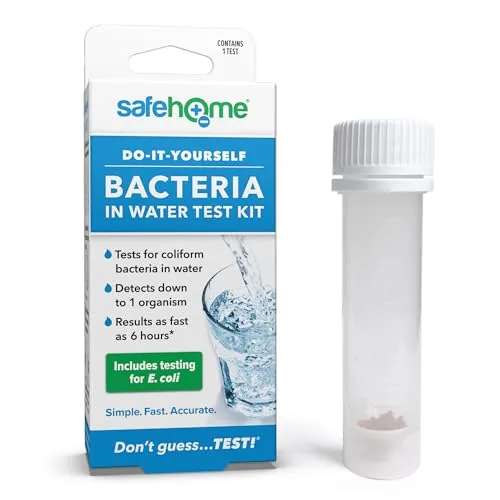
6 Best Bacteria Water Test Kits (2026 Review Guide)
Aug 3, 2026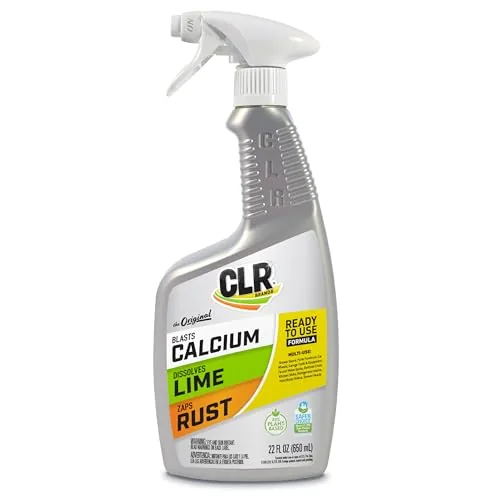
6 Best Hard Water Stain Removers (2026 Review Guide)
Aug 21, 2026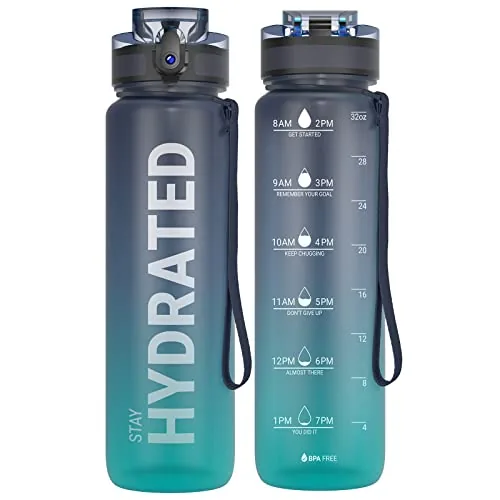
6 Best Water Bottles With Time Markers (2026 Review Guide)
Aug 7, 2026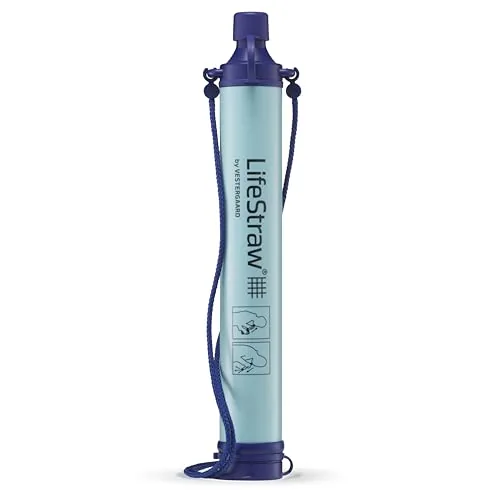
7 Best Water Filters For Giardia And Cryptosporidium (2026 Review Guide)
Jul 31, 2026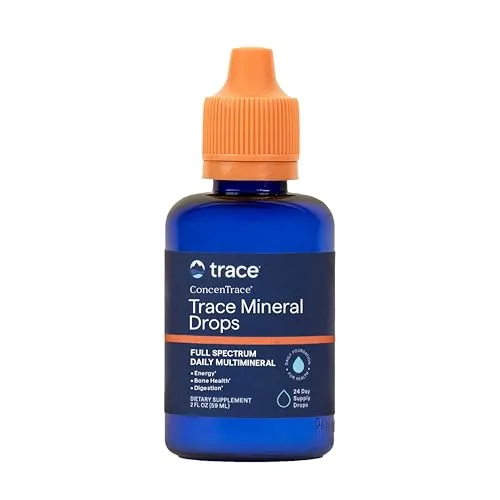
6 Best Mineral Drops For Drinking Water (2026 Review Guide)
Aug 9, 2026