As low as $12
Built for travel, hiking & emergencies - drink safely whether the water is unsafe or just tastes off.
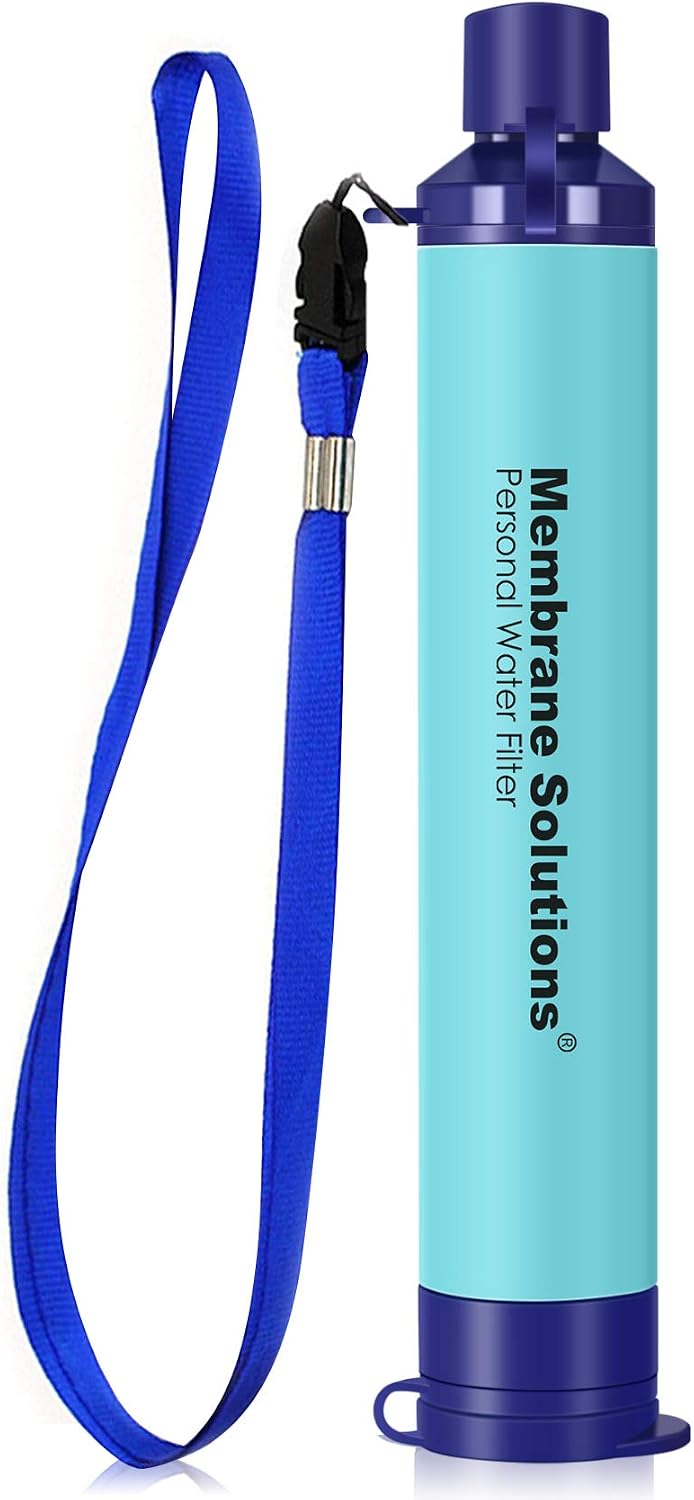
- NSF/ANSI 42, 372 & 401 certified, 0.1 micron filtration
- Filters up to 1,320 gallons - no batteries or pumping
- Ultralight - fits in any bag or pocket
- BPA-free, compatible with standard 28mm bottle threads
Tap water in Moldova is generally not recommended for drinking by travelers. While urban areas like Chiinu have treated municipal water, aging Soviet-era infrastructure, inconsistent chlorination, and contamination concerns in rural areas make bottled or filtered water the safer choice. Travelers should exercise caution, particularly outside the capital.
Quick Reference
| Concern | Our Advice | |
|---|---|---|
| Drink tap water? | ❌ | Use bottled or filtered water |
| Brush teeth? | ✅ | Yes, no concerns |
| Wash fruits / veg? | ✅ | Yes, safe to use tap water |
| Use ice in drinks? | ❌ | Avoid unless confirmed purified |
| Shower safely? | ✅ | Yes |
| Filter bottle needed? | ❌ | Strongly recommend a Membrane Solutions Filter Straw for all travelers |
| Common risks | Bacterial contamination, Nitrate pollution, Heavy metals from aging pipes, Pesticide residues, Chlorination byproducts, Groundwater contamination |

Key Statistics


Affiliate links — we earn a small commission at no extra cost to you.
Water Infrastructure & Supply
Moldova's water infrastructure was largely built during the Soviet era and has suffered from decades of underinvestment since independence in 1991. The centralized water supply system primarily serves urban areas, with Chiinu receiving treated water from the Dniester River through the Ap-Canal Chiinu utility. However, many distribution pipes are over 40 years old and prone to leaks, corrosion, and secondary contamination.
In rural areas, the situation is significantly worse. Many villages rely on shallow wells and boreholes that are vulnerable to contamination from agricultural runoff, particularly nitrates from fertilizers and animal waste. Only about a third of rural communities have access to centralized piped water systems, and many existing systems operate intermittently or deliver water of questionable quality.
Significant improvement projects are underway with support from the European Investment Bank, the World Bank, and the EU. The Moldova Water Supply and Sanitation Project has invested hundreds of millions of dollars in upgrading treatment plants, replacing aging pipelines, and extending centralized water systems to rural communities. The government's National Water Supply and Sanitation Strategy aims to provide safe water to 80% of the population by 2030, aligned with EU approximation goals.
Contamination & Health Risks
The primary health concern with Moldovan tap water is nitrate contamination, particularly in rural areas where shallow wells frequently exceed WHO guideline values of 50 mg/L. Studies have found that over half of shallow wells in some regions contain nitrate levels that pose health risks, especially for infants and pregnant women. Agricultural pesticide residues and microbiological contamination from inadequate sanitation are also documented concerns.
In urban areas, the treated water leaving plants generally meets basic safety standards, but aging distribution networks introduce risks of recontamination. Lead and iron from corroded pipes can leach into the water, and intermittent water supply in some areas can allow pathogens to enter the system through negative pressure events. Chlorination is used but not always consistently maintained throughout the network.
For travelers, the most practical risks are gastrointestinal illness from bacterial or parasitic contamination and potential exposure to elevated nitrate levels. Short-term visitors are unlikely to experience effects from heavy metals, but stomach upset from unfamiliar water chemistry and microorganisms is common. Travelers with sensitive stomachs should stick to bottled or filtered water, particularly when visiting rural areas or smaller towns.
Regional Water Quality Breakdown
Chiinu
cautionThe capital has the best water treatment infrastructure in Moldova, with water sourced from the Dniester River and treated at modern facilities. However, aging distribution pipes can introduce contaminants, and locals commonly use filters or drink bottled water. The water is safe for brushing teeth and cooking but not recommended for direct drinking by travelers.
Bli
cautionMoldova's second-largest city has a centralized water supply but older infrastructure than Chiinu. Water treatment capacity has been upgraded with international funding, but distribution network issues persist. Travelers should use bottled or filtered water for drinking.
Transnistria (Tiraspol/Bender)
avoidThe breakaway region of Transnistria has even more outdated infrastructure with minimal investment in water systems. Water quality monitoring and reporting are less reliable. Travelers should exclusively use bottled water in this region.
Orhei / Orheiul Vechi
cautionA popular tourist destination for the Old Orhei monastery complex, this area has a mix of centralized and well-based water supply. Tourist facilities generally provide bottled water, but tap water should be avoided for drinking. Recent EU-funded projects have improved local infrastructure.
Cahul
cautionLocated in southern Moldova near the wine regions, Cahul has undergone water system improvements through international aid projects. Water quality has improved but remains inconsistent. Travelers visiting the southern wine country should rely on bottled water.
Rural Moldova
avoidRural villages across Moldova frequently rely on shallow wells with dangerously high nitrate levels and microbiological contamination. Many communities lack centralized water treatment entirely. Travelers visiting rural homestays or agritourism sites should drink only bottled or thoroughly boiled water.
Practical Tips for Travelers
- Always carry bottled water when traveling outside Chiinu, as safe water sources can be scarce in smaller towns and rural areas.
- In Romanian (Moldova's official language), ask for bottled water by saying 'Ap mbuteliat, v rog' (Bottled water, please) or specify 'ap plat' for still water and 'ap mineral' for sparkling.
- Invest in a quality filter bottle like a LifeStraw or Grayl , it will save money and reduce plastic waste during your trip, especially if traveling for more than a few days. Strongly recommend the Membrane Solutions Filter Straw.
- Avoid ice in drinks at smaller restaurants and bars outside major cities, as it may be made from unfiltered tap water. In upscale Chiinu restaurants, ice is generally safe.
- When visiting Moldova's famous wine cellars at Miletii Mici or Cricova, bring your own water bottle , tour facilities usually sell bottled water but at marked-up prices.
- If staying at a rural guesthouse or homestay, politely ask your host about the water source , if it's a shallow well, stick to bottled water or boil water for at least one minute before drinking.
- Check that bottled water seals are intact before purchasing, particularly from small shops or street vendors, as refilled bottles are occasionally encountered.
- Fruits and vegetables from local markets are safe to eat after washing with tap water in Chiinu, but peel produce or wash with bottled water in rural areas for extra safety.
Bottled Water Availability & Cost
Bottled water is widely available throughout Moldova in supermarkets, convenience stores, gas stations, and restaurants. Popular local brands include Gura Cainarului, Acorex, and Naturalis, which are significantly cheaper than imported brands. A 0.5L bottle typically costs 8-15 MDL (approximately $0.45-0.85 USD), while a 1.5L bottle ranges from 15-25 MDL ($0.85-1.40 USD). In restaurants, expect to pay 30-60 MDL ($1.70-3.40 USD) for a 0.5L bottle.
For budget-conscious travelers, buying water in bulk from supermarkets like Linella or Nr.1 is the most economical approach , 5L jugs cost around 30-45 MDL ($1.70-2.50 USD). While bottled water is affordable and convenient, travelers who plan extended stays should consider a reusable filter bottle to reduce plastic waste, as Moldova's waste management infrastructure is limited and plastic pollution is a growing environmental concern.
Frequently Asked Questions
Can I brush my teeth with tap water in Moldova?
Yes, brushing teeth with tap water is generally safe in urban areas like Chiinu and Bli, as the brief contact time poses minimal risk. However, avoid swallowing the water, and in very rural areas with well water, you may want to use bottled water as an extra precaution.
Is it safe to shower in Moldovan tap water?
Yes, showering and bathing in tap water is safe throughout Moldova. The water may have a slightly chlorinated smell in some urban areas, but it poses no risk through skin contact. Avoid swallowing water during showering, especially outside major cities.
Is ice safe in drinks in Moldova?
In upscale restaurants and international hotels in Chiinu, ice is typically made with filtered or purified water and is safe. In smaller establishments, bars, and especially outside the capital, ice may be made from tap water and is best avoided. When in doubt, order drinks without ice.
Do restaurants in Moldova serve safe drinking water?
Most restaurants in Moldova will serve bottled water rather than tap water, and it's the standard practice to order bottled water with meals. If a restaurant offers free tap water, it's best to politely decline and order a sealed bottle instead, especially outside Chiinu.
How much does bottled water cost in Moldova?
Moldova is very affordable for bottled water. A 0.5L bottle costs about $0.45-0.85 USD in shops and $1.70-3.40 USD in restaurants. Large 5L jugs from supermarkets cost around $1.70-2.50 USD, making it very budget-friendly to stay hydrated safely.
Why is Moldova's tap water unsafe despite being in Europe?
Moldova is the poorest country in Europe, and its water infrastructure dates largely from the Soviet era with decades of underinvestment. Rural areas are particularly affected by nitrate contamination from agriculture, and aging urban pipes can recontaminate treated water. The country is actively working to improve systems with EU and World Bank support.
Is tap water in Chiinu safe enough to drink with a filter bottle?
Yes, using a quality filter bottle in Chiinu is an excellent option. The municipal water is treated but can pick up contaminants from old pipes. A filter bottle with activated carbon or hollow fiber membrane will effectively remove chlorine taste, bacteria, and particulates, making the water safe and pleasant to drink.
Can I drink well water when visiting Moldovan villages?
It's strongly advised not to drink untreated well water in rural Moldova. Studies show that around 50% of shallow wells exceed WHO nitrate limits, and many contain harmful bacteria. Even if locals drink the water regularly, your body won't have adapted to the local microorganisms. Stick to bottled water or boil well water before consumption.
Interesting Product Reviews
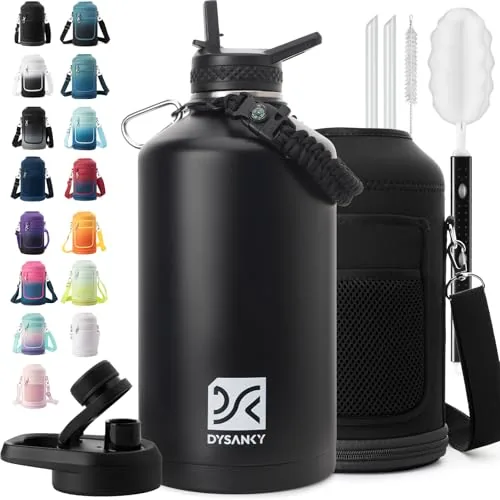
9 Best Gallon Water Jugs (2026 Review Guide)
Aug 8, 2026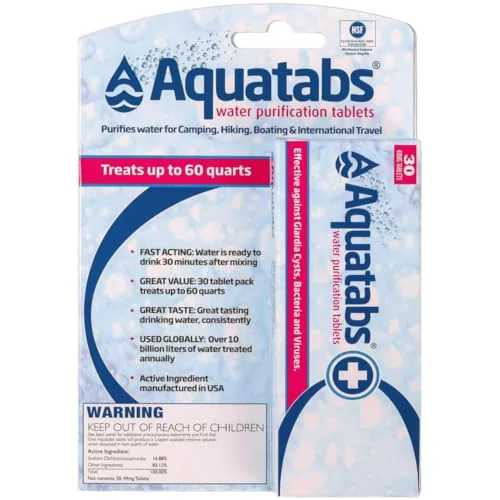
6 Best Water Purification Tablets (2026 Review Guide)
Jul 2, 2026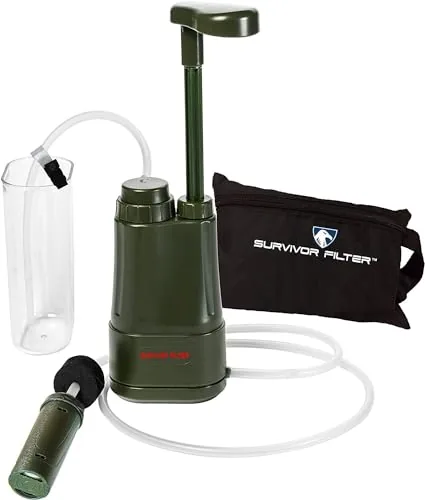
9 Best Pump Water Filters For Backpacking (2026 Review Guide)
Jul 13, 2026
9 Best Paddle Boards (2026 Review Guide)
Aug 26, 2026
9 Best Chlorine Test Strips (2026 Review Guide)
Aug 16, 2026