As low as $12
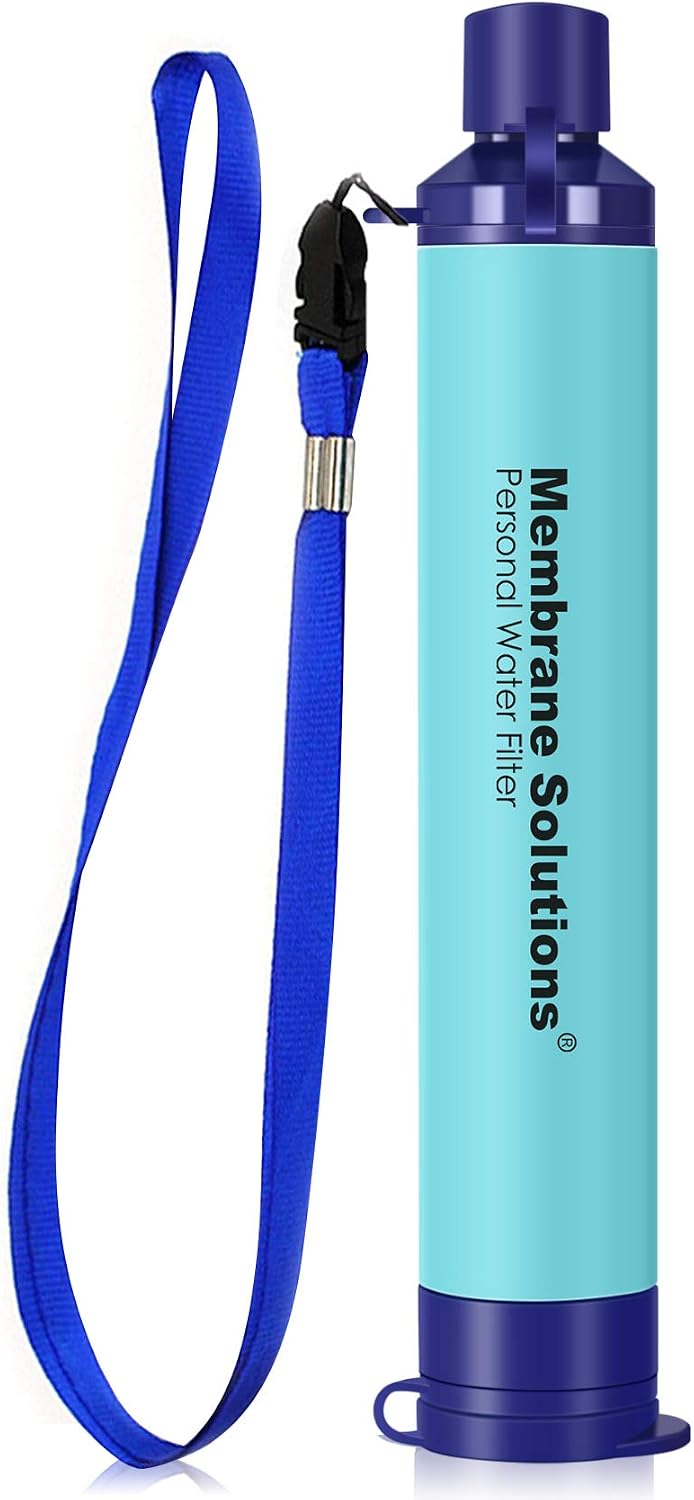
Built for travel, hiking & emergencies - drink safely whether the water is unsafe or just tastes off.
- NSF/ANSI 42, 372 & 401 certified, 0.1 micron filtration
- Filters up to 1,320 gallons - no batteries or pumping
- Ultralight - fits in any bag or pocket
- BPA-free, compatible with standard 28mm bottle threads
Tap water in Nigeria is generally not safe for travelers to drink. Municipal water treatment infrastructure is limited and inconsistent across the country, with frequent contamination from bacteria, heavy metals, and aging distribution systems. Travelers should rely on bottled or properly treated water throughout their visit.
Quick Reference
| Concern | Our Advice | |
|---|---|---|
| Drink tap water? | ❌ | Use bottled or filtered water |
| Brush teeth? | ❌ | Use bottled or filtered water |
| Wash fruits / veg? | ❌ | Wash with filtered or bottled water |
| Use ice in drinks? | ❌ | Avoid unless confirmed purified |
| Shower safely? | ✅ | Yes |
| Filter bottle needed? | ❌ | Strongly recommend a Membrane Solutions Filter Straw for all travelers |
| Common risks | Bacterial contamination, E. coli, Lead and heavy metals, Cholera, Typhoid, Nitrate contamination, Pesticide residues, Sediment and turbidity |

Key Statistics


Affiliate links — we earn a small commission at no extra cost to you.
Water Infrastructure & Supply
Nigeria's water supply infrastructure has been a persistent challenge since independence. The country relies on a mix of state-run water corporations, boreholes, wells, and surface water sources. Despite significant investment over the decades, only a small fraction of urban residents have access to piped water, and rural areas are even more underserved. The Federal Ministry of Water Resources oversees national policy, but implementation falls to individual state water agencies, leading to significant disparities.
The major cities like Lagos, Abuja, and Port Harcourt have centralized water treatment plants, but these facilities frequently operate below capacity due to aging infrastructure, power outages, chemical shortages, and insufficient maintenance. The distribution networks suffer from leaks, illegal connections, and cross-contamination with sewage. Many Nigerians rely on private boreholes, sachet water ("pure water"), and tanker trucks as their primary water sources rather than municipal supply.
The Nigerian government has embarked on several improvement initiatives, including the National Water Supply and Sanitation Policy and partnerships with the World Bank and African Development Bank. The WASH (Water, Sanitation, and Hygiene) sector has received increased attention, with projects focused on expanding rural water supply and rehabilitating urban treatment plants. However, rapid urbanization, population growth exceeding 200 million, and funding gaps continue to outpace infrastructure development.
Contamination & Health Risks
Nigeria's tap water poses significant health risks due to widespread microbiological contamination. Studies have consistently found E. coli, total coliforms, and other pathogenic bacteria in municipal water supplies across the country. Waterborne diseases including cholera, typhoid fever, dysentery, and hepatitis A remain endemic, particularly during the rainy season when flooding overwhelms drainage and sanitation systems. The WHO has identified Nigeria as one of the countries with the highest burden of waterborne disease globally.
Chemical contamination is also a serious concern. Industrial effluents from the Niger Delta oil-producing regions have polluted surface and groundwater with hydrocarbons and heavy metals. Lead contamination has been documented in several northern states, notably in Zamfara where artisanal gold mining caused a major lead poisoning crisis. Agricultural runoff introduces nitrates and pesticide residues into water sources, particularly in the northern savanna regions.
For travelers, the practical risks are substantial. Consuming tap water, even in upscale hotels in major cities, is not recommended without treatment. Ice in drinks should be avoided unless you can confirm it was made with purified water. Raw fruits and vegetables washed in tap water can transmit pathogens. Travelers should be particularly cautious during the wet season (May, October) when contamination risks increase significantly due to flooding and overwhelmed sanitation systems.
Regional Water Quality Breakdown
Lagos
avoidDespite being Nigeria's largest city and economic hub, Lagos has severely strained water infrastructure. The Lagos State Water Corporation serves only a fraction of the population, and most residents rely on boreholes and sachet water. Travelers should exclusively use bottled or filtered water.
Abuja (FCT)
cautionAs the federal capital, Abuja has relatively better water infrastructure compared to other Nigerian cities. The FCT Water Board operates treatment plants, but distribution is inconsistent and contamination in the network is still documented. Travelers in high-end hotels may find treated water but should still stick to bottled water for drinking.
Port Harcourt & Niger Delta
avoidThe Niger Delta region faces severe water quality challenges due to decades of oil exploration and pollution. Groundwater and surface water are contaminated with hydrocarbons and heavy metals. The UNEP report on Ogoniland documented widespread water contamination, and travelers should strictly avoid tap and well water.
Kano
avoidKano, the largest city in northern Nigeria, has limited piped water coverage and aging infrastructure. Groundwater sources show elevated nitrate and bacterial contamination. During the dry season, water scarcity compounds quality issues, and travelers should rely entirely on sealed bottled water.
Ibadan
avoidIbadan's water supply from the Eleyele and Asejire dams is treated at facilities that often operate below capacity. The distribution system is old and prone to contamination, and many areas receive water intermittently. Travelers should not drink tap water and should use bottled or well-filtered alternatives.
Enugu & Southeast
cautionEnugu and surrounding southeastern cities have moderate water infrastructure with a mix of state water supply and private boreholes. Water quality varies significantly by neighborhood and source. Travelers should use bottled water for drinking and be cautious with water served in restaurants.
Practical Tips for Travelers
- Always drink sealed bottled water or use a reliable filter bottle like LifeStraw or Grayl , never drink tap water directly in Nigeria, even in hotels. Strongly recommend the Membrane Solutions Filter Straw.
- When buying sachet water ('pure water'), look for the NAFDAC registration number on the packaging and choose well-known brands like Eva or Gossy.
- In Yoruba-speaking areas, ask for safe water by saying 'Omi mim' (clean water); in Hausa-speaking areas, say 'Ruwan sha mai tsabta' (clean drinking water); in Igbo, say 'Mmiri cha' (clean water).
- Avoid ice in drinks at street food stalls and smaller restaurants, as it is often made from untreated tap or borehole water. Upscale restaurants in major cities are more likely to use purified water for ice.
- Peel all fruits and avoid raw salads at street vendors , produce washed in local water can harbor bacteria. In good restaurants, asking if they use filtered water for food prep is reasonable.
- Carry oral rehydration salts (ORS) and anti-diarrheal medication in your travel kit, as travelers' diarrhea is common even with precautions.
- Use bottled or filtered water for brushing teeth, as even brief exposure to contaminated tap water through the mouth can cause gastrointestinal illness.
- During the rainy season (May, October), be extra vigilant about water safety as flooding significantly increases contamination of all water sources including boreholes.
Bottled Water Availability & Cost
Bottled water is widely available throughout Nigeria and is the safest option for travelers. Major brands include Eva, Nestl Pure Life, Aquafina, and Gossy, with a 50cl (500ml) bottle typically costing 200, 500 (approximately $0.15, $0.35 USD) at shops and 500, 1,500 ($0.35, $1.00 USD) at restaurants and hotels. The ubiquitous 60cl sachet water ("pure water") is the most affordable option at 50, 200 ($0.03, $0.15 USD) per sachet, though quality varies by brand and travelers should choose reputable NAFDAC-registered brands.
For longer stays, purchasing water in bulk (18.9-liter dispensing bottles) is economical at 500, 1,500 ($0.35, $1.00 USD) per refill from reputable vendors. Major supermarkets like Shoprite, SPAR, and local chains stock a variety of bottled water brands. While sachet water is convenient and affordable, travelers should note that not all brands meet safety standards despite NAFDAC registration , sticking to well-known brands is advisable. Using a high-quality filter bottle such as LifeStraw or Grayl is a sustainable and cost-effective alternative that reduces plastic waste in a country already struggling with waste management.
Frequently Asked Questions
Can I brush my teeth with tap water in Nigeria?
No, it is not recommended. Tap water in Nigeria frequently contains bacterial contaminants including E. coli that can cause gastrointestinal illness. Use bottled or filtered water for brushing your teeth throughout your stay.
Is it safe to shower in Nigerian tap water?
Showering is generally safe as long as you avoid swallowing any water and keep your mouth closed. The main risks from Nigerian tap water come from ingestion rather than skin contact. If you have open wounds or cuts, consider extra caution.
Can I have ice in my drinks at Nigerian restaurants?
It's best to avoid ice unless you're at an upscale restaurant or international hotel that confirms they use purified water for ice production. Many establishments use untreated borehole or tap water to make ice. When in doubt, order drinks without ice.
Is the sachet 'pure water' sold on the street actually safe?
Sachet water quality varies significantly. NAFDAC-registered brands from reputable companies are generally safe, but some unregulated producers do not meet safety standards. Look for clear NAFDAC registration numbers, intact seals, and well-known brand names. Avoid sachets that look damaged, discolored, or have been exposed to prolonged sunlight.
How much does bottled water cost in Nigeria?
A 500ml bottle of water costs approximately 200, 500 ($0.15, $0.35 USD) in shops. In restaurants and hotels, prices can range from 500, 1,500 ($0.35, $1.00 USD). Sachet water (60cl) is much cheaper at 50, 200 ($0.03, $0.15 USD) per sachet.
Do hotels in Nigeria provide safe drinking water?
Most mid-range and upscale hotels provide complimentary bottled water in rooms. Some high-end hotels in Lagos and Abuja have their own water purification systems. However, you should never assume the tap water in any Nigerian hotel is safe to drink , always confirm with hotel staff and stick to sealed bottled water.
Is the water quality different between northern and southern Nigeria?
Water quality challenges exist throughout Nigeria but differ in nature. Northern regions face more issues with water scarcity, high mineral content, and nitrate contamination, while the south, particularly the Niger Delta, deals with hydrocarbon and industrial pollution. Neither region has tap water safe for travelers to drink.
Should I get any vaccinations related to waterborne diseases before visiting Nigeria?
Yes, the CDC recommends hepatitis A and typhoid vaccinations for travelers to Nigeria, as both diseases can be transmitted through contaminated water and food. Cholera vaccination may also be recommended depending on your itinerary, especially if visiting rural areas or during the rainy season. Consult a travel medicine specialist at least 4, 6 weeks before your trip.
Interesting Product Reviews
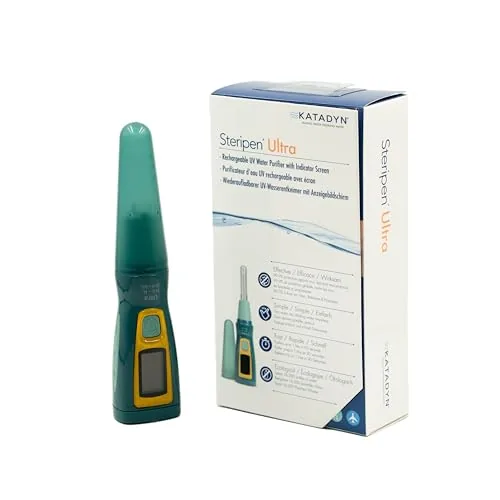
7 Best Uv Water Purifiers For Travel (2026 Review Guide)
Jul 19, 2026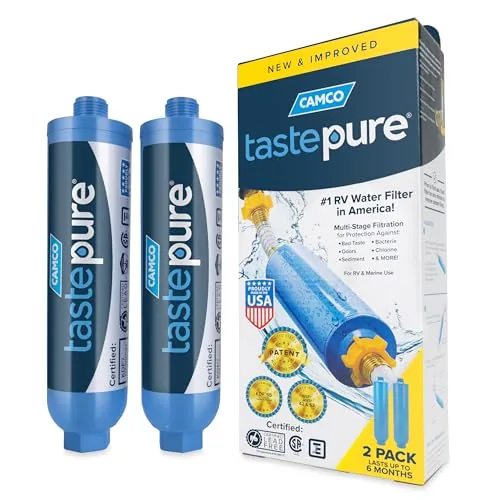
8 Best Water Filters For Van Life (2026 Review Guide)
Jul 28, 2026
8 Best Variable Temperature Kettles (2026 Review Guide)
Aug 12, 2026
7 Best Waterproof Money Belts (2026 Review Guide)
Aug 24, 2026
8 Best Water Test Kits For Well Water (2026 Review Guide)
Aug 2, 2026