Around $20
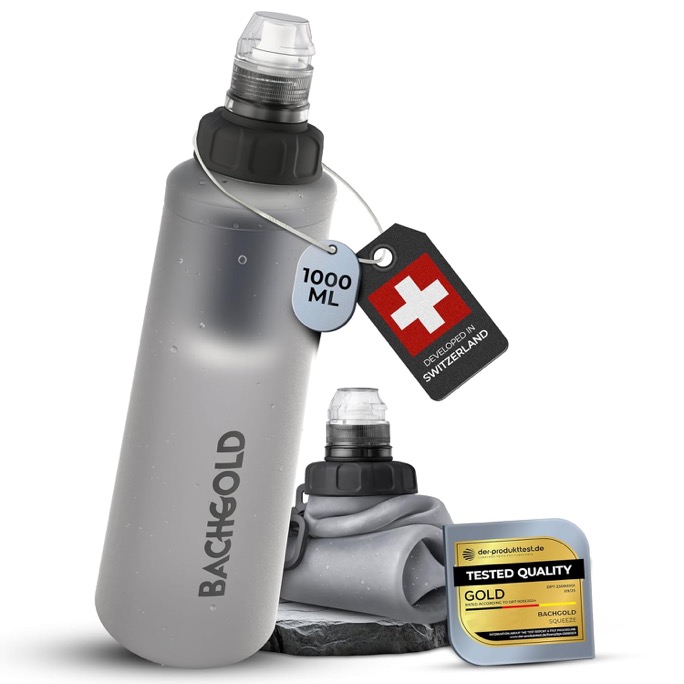
Built for travel, hiking & emergencies - drink safely whether the water is unsafe or just tastes off.
- 2-stage filtration: nanofiber layer + 0.2 micron hollow fiber membrane
- Rinse to restore flow - no replacement cartridges needed
- Collapsible 1L bottle - folds flat to pocket size
- Leak-resistant, taste-neutral, designed in Switzerland
Tap water in Malaysia is treated and meets WHO guidelines at the treatment plant, but aging pipes and storage tanks often compromise water quality by the time it reaches your tap. Most travelers are advised to drink boiled or filtered water, or opt for bottled water, especially outside major urban centers. While locals in cities like Kuala Lumpur may drink tap water after boiling, unboiled tap water is generally not recommended for visitors.
Quick Reference
| Concern | Our Advice | |
|---|---|---|
| Drink tap water? | ❌ | Use bottled or filtered water |
| Brush teeth? | ✅ | Yes, no concerns |
| Wash fruits / veg? | ✅ | Yes, safe to use tap water |
| Use ice in drinks? | ✅ | Yes, safe in restaurants |
| Shower safely? | ✅ | Yes |
| Filter bottle needed? | ❌ | Strongly recommend a Bachgold Squeeze Filter Bottle for all travelers |
| Common risks | Bacterial contamination from aging pipes, Rust and sediment from old distribution systems, Residual chlorine, Heavy metals from corroded plumbing, E. coli in rural areas, Waterborne parasites in remote regions |

Key Statistics


Affiliate links — we earn a small commission at no extra cost to you.
Water Infrastructure & Supply
Malaysia's water supply infrastructure has undergone significant modernization since the country's independence in 1957. The National Water Services Commission (SPAN) oversees water supply regulation, and the country operates over 500 water treatment plants. Treated water meets the Malaysian Drinking Water Quality Standard (MDWQS), which aligns closely with WHO guidelines, at the point of treatment.
However, the distribution system remains the weakest link in Malaysia's water supply chain. Non-revenue water, water lost through leaks, theft, and metering errors, stands at approximately 36%, one of the highest rates in Southeast Asia. Many pipes in older urban areas date back to the 1960s and 1970s, and corroded iron and asbestos-cement pipes can introduce rust, sediment, and heavy metals into the water before it reaches consumers. Rooftop storage tanks in residential and commercial buildings further compound contamination risks if not regularly cleaned.
The Malaysian government has invested heavily in infrastructure upgrades through initiatives like the National Water Balance Management (NWBM) program and pipe replacement programs targeting high-loss areas. Sabah and Sarawak in East Malaysia have received special funding to improve rural water supply coverage. The PENGURUSAN ASET AIR BERHAD (PAAB) manages federal water assets and continues large-scale rehabilitation of aging pipe networks, with a target to reduce non-revenue water to below 25% by 2030.
Contamination & Health Risks
While water leaving Malaysian treatment plants is generally safe, contamination during distribution is a documented concern. Studies by local universities have found elevated levels of iron, manganese, and aluminum in tap water samples taken at consumer endpoints. Bacterial contamination, including coliform bacteria, has been detected in samples from older buildings with poorly maintained water tanks. In rural areas, particularly in Sabah, Sarawak, and parts of Kelantan, water may come from untreated or minimally treated sources.
Pollution of raw water sources is another challenge. Industrial discharge, agricultural runoff, and illegal dumping periodically contaminate rivers that serve as source water. Malaysia experienced multiple raw water contamination incidents, including chemical spills in the Sungai Selangor basin, which serves greater Kuala Lumpur. These events have led to temporary water supply shutdowns affecting millions of residents. Climate change is also increasing the frequency of droughts that reduce reservoir levels and concentrate pollutants.
For travelers, the primary risks are gastrointestinal upset from unfamiliar bacteria or excess chlorine, and potential exposure to rust and sediment from old pipes. The risk is considerably lower in well-maintained hotels and modern buildings in major cities. Ice in restaurants and food courts is almost always made from filtered or treated water and is generally safe. However, travelers with sensitive stomachs should stick to bottled or boiled water, particularly in East Malaysia and rural peninsular regions.
Regional Water Quality Breakdown
Kuala Lumpur & Selangor
cautionWater treatment quality is high, but aging infrastructure and rooftop tank contamination remain issues. Most hotels and modern condominiums have filtered water systems. Boiling or filtering tap water before drinking is recommended.
Penang (George Town)
cautionPenang's water is sourced from the Sungai Muda and treated to high standards. However, old heritage buildings in George Town may have outdated plumbing. Tap water is acceptable for brushing teeth, but drinking is best done from filtered or bottled water.
Langkawi
cautionAs a resort island, Langkawi's water infrastructure has been upgraded for tourism. Most resorts provide filtered drinking water. Tap water quality can be inconsistent in budget accommodations and local guesthouses.
Sabah (Kota Kinabalu & Sandakan)
avoidEast Malaysia's water infrastructure lags behind the peninsula. Rural areas near Mount Kinabalu and Sandakan may rely on gravity-fed or minimally treated water. Travelers should always drink bottled or boiled water and be cautious at local eateries.
Sarawak (Kuching & Miri)
cautionUrban areas like Kuching have improved water treatment, but distribution issues persist. Rural longhouse communities and remote national parks often use untreated river water. Bring a portable filter if trekking in remote areas.
Malacca (Melaka)
cautionMelaka's urban water supply meets national standards but is subject to periodic disruptions due to raw water quality issues in the Sungai Melaka. Bottled water is inexpensive and widely available in this popular tourist city.
Practical Tips for Travelers
- Carry a filter bottle (e.g., Bachgold Squeeze) — it removes bacteria, parasites, and microplastics from any tap or stream. Strongly recommend the Bachgold Squeeze Filter Bottle.
- Always request 'air masak' (boiled water) at local restaurants and hawker stalls , this is a standard offering in Malaysia and is safe to drink.
- Carry a reusable bottle with a built-in carbon or UV filter to save money and reduce plastic waste, especially when traveling outside major cities.
- Ice in Malaysian restaurants, food courts, and bubble tea shops is commercially produced from filtered water and is generally safe for travelers.
- If staying in budget accommodation, run the tap for 30 seconds before using it, and check whether the building has a water filter installed , many guesthouses provide filtered water dispensers.
- In East Malaysia (Sabah and Sarawak), stick strictly to bottled or boiled water, especially in rural areas and when visiting national parks or dive sites.
- Look for 'air minuman' (drinking water) refill stations in shopping malls and transportation hubs , they offer clean filtered water at very low cost.
- Avoid swallowing water when swimming in rivers or waterfalls, as agricultural and industrial runoff can contaminate natural water sources.
- When buying bottled water, check that the seal is intact and look for the SIRIM (Standards and Industrial Research Institute of Malaysia) certification mark for quality assurance.
Bottled Water Availability & Cost
Bottled water is widely available throughout Malaysia and is the default drinking water for most travelers. A 500ml bottle of local brands like Spritzer, Cactus, or Ice Mountain typically costs RM 1.00, 2.50 (approximately USD 0.22, 0.55) at convenience stores like 7-Eleven and Family Mart. In restaurants and tourist areas, prices can reach RM 3.00, 6.00 (USD 0.65, 1.30). Large 1.5-liter bottles cost RM 1.80, 4.00 at supermarkets like Tesco/Lotus's and Mydin.
For budget-conscious travelers, buying water in bulk from supermarkets is the most economical option, a 6-pack of 1.5-liter bottles can cost as little as RM 7.00, 10.00. Refillable water dispensers are also increasingly common in shopping malls, offices, and residential areas, charging around RM 0.20, 0.50 per liter. To reduce plastic waste, consider carrying a reusable bottle with a built-in filter, which is particularly useful given that Malaysia generates significant plastic waste and has been working to reduce single-use plastic consumption.
Frequently Asked Questions
Can I brush my teeth with tap water in Malaysia?
Yes, brushing teeth with tap water is generally safe throughout urban Malaysia. The chlorine levels in treated water are sufficient to prevent risk from brief oral contact. In very remote or rural areas, you may want to use bottled water as a precaution.
Is it safe to shower in Malaysian tap water?
Yes, showering in Malaysian tap water is completely safe. The water is treated and chlorinated. Some travelers may notice a slight chlorine smell, and those with sensitive skin may want to use a shower filter, but there is no health risk from bathing.
Is ice safe in Malaysian drinks?
Yes, ice in Malaysian restaurants, cafs, and food courts is almost always made commercially from filtered and purified water. Tube-shaped or cylindrical ice is a good indicator of commercial production. Street-side vendors in very rural areas may occasionally use less reliable ice, but this is uncommon.
Can I drink tap water in Malaysian hotels?
Most mid-range and upscale hotels in Malaysia provide complimentary bottled water or have filtered water dispensers. While the tap water in hotels is treated, it is not recommended for direct drinking due to potential pipe and tank contamination. Always use the provided bottled water or boil tap water first.
How much does bottled water cost in Malaysia?
Bottled water is very affordable in Malaysia. A 500ml bottle costs RM 1.00, 2.50 (USD 0.22, 0.55) at convenience stores, while 1.5-liter bottles cost RM 1.80, 4.00 at supermarkets. Prices are slightly higher in tourist areas and restaurants.
Why doesn't Malaysia have drinkable tap water if it's a developed country?
Malaysia's water treatment plants produce water that meets international standards. The issue lies primarily in the distribution infrastructure , aging pipes, some dating back decades, and poorly maintained rooftop storage tanks can introduce contaminants after treatment. The government is actively investing in pipe replacement and infrastructure upgrades to address this gap.
Is tap water in Kuala Lumpur safe to drink?
Tap water in Kuala Lumpur is treated to WHO standards at the plant but may be compromised by old pipes and building tanks. The local water authority (Air Selangor) has stated that tap water in newer developments with proper plumbing is safe to drink directly. However, most locals and health authorities recommend boiling or filtering as a precaution.
What is 'air masak' and should I ask for it?
'Air masak' literally means 'cooked water' in Malay and refers to boiled water. It is commonly served free at local restaurants and hawker centres. Asking for 'air masak' is a safe and culturally appropriate way to get drinking water at eateries throughout Malaysia.
Interesting Product Reviews
8 Best Towel Warmers (2026 Review Guide)
Aug 21, 2026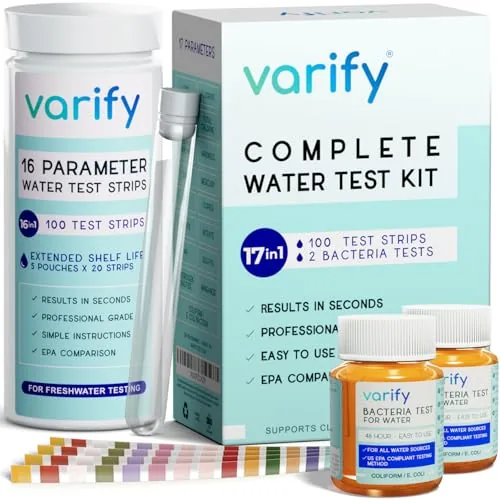
8 Best Lead Water Test Kits (2026 Review Guide)
Aug 3, 2026
7 Best Shower Filters For Hard Water (2026 Review Guide)
Jul 26, 2026
8 Best Countertop Water Filters For Renters (2026 Review Guide)
Jul 20, 2026
6 Best Bottleless Water Coolers (2026 Review Guide)
Aug 10, 2026