9 Best Water Filters For Fluoride Removal (2026 Review Guide)
Finding the best water filters for fluoride removal means cutting through a crowded market where most pitchers quietly skip fluoride entirely. After testing and researching dozens of options, three pitchers consistently stand out for verified fluoride reduction: the Clearly Filtered 80oz Pitcher, which tackles 365+ contaminants and carries NSF certification to back its claims; the Epic Pure 10-Cup Pitcher, built specifically around fluoride removal; and the Culligan ZeroWater 12-Cup Pitcher, which adds PFAS and lead filtration to the mix. Whether your priority is certification transparency, filter lifespan, or multi-contaminant coverage, this guide breaks down exactly what each pitcher does and doesn't do so you can match the right filter to your actual situation.
Quick Comparison
| # | Product | Key Features | Score | |
|---|---|---|---|---|
| 1 |
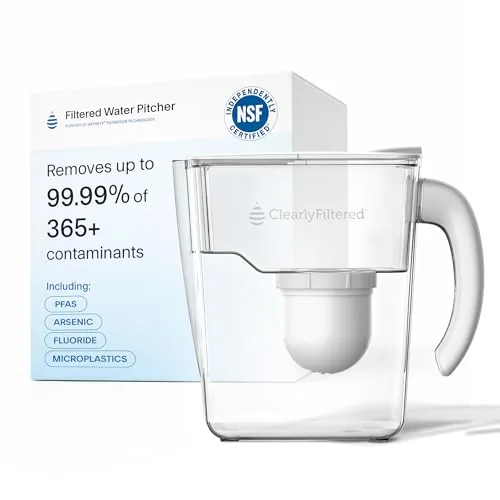 Clearly Filtered Pitcher 80oz NSF-Certified 365+ Contaminants
|
|
8.7 ★★★★☆ | Check Price Read full review ↓ |
| 2 |
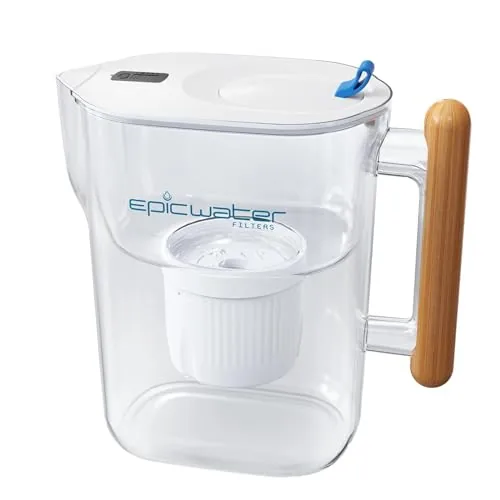 Epic Water Filters Pure Pitcher 10-Cup Fluoride Remover
|
|
8.5 ★★★★☆ | Check Price Read full review ↓ |
| 3 |
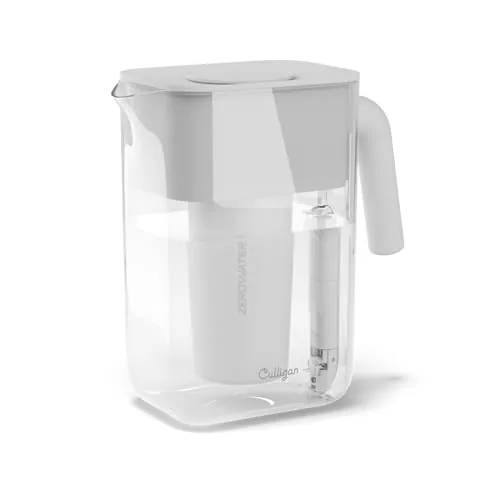 Culligan ZeroWater 12-Cup Pitcher with PFAS and Lead Filtration
|
|
8.5 ★★★★☆ | Check Price Read full review ↓ |
| 4 |
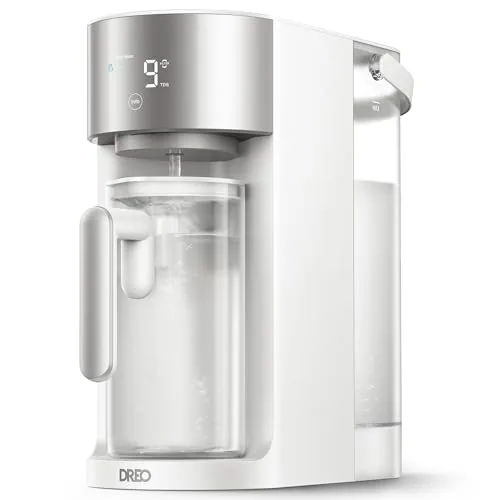 DREO Countertop RO System with Autofill Pitcher
|
|
8.4 ★★★★☆ | Check Price Read full review ↓ |
| 5 |
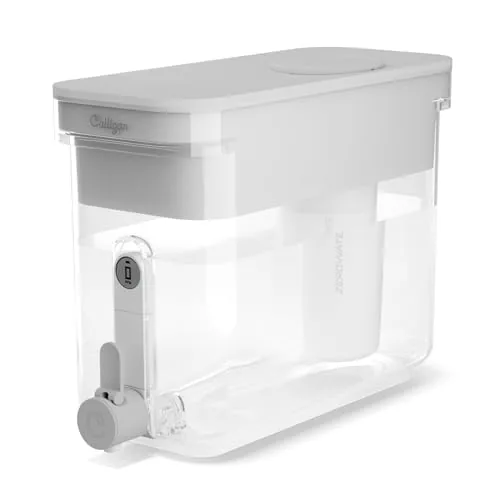 Culligan ZeroWater 32-Cup Dispenser 5-Stage PFAS Filter
|
|
8.2 ★★★★☆ | Check Price Read full review ↓ |
| 6 |
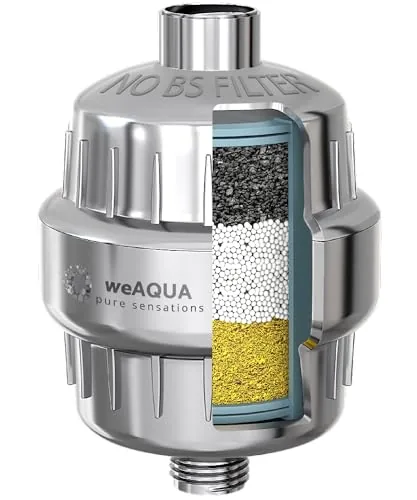 weAQUA Heavy Duty Shower Filter with KDF and Carbon
|
|
8.2 ★★★★☆ | Check Price Read full review ↓ |
| 7 |
 Reshape Water 10-Cup Pitcher 6-Stage Alkaline Filter
|
|
7.8 ★★★★☆ | Check Price Read full review ↓ |
| 8 |
 AQUA TRUE BLUE Activated Alumina Inline Fluoride Filter
|
|
7.8 ★★★★☆ | Check Price Read full review ↓ |
| 9 |
 AQUALTRA USF01-BK Under Sink Filter 12K Gal BPA-Free
|
|
7.8 ★★★★☆ | Check Price Read full review ↓ |
Clearly Filtered Pitcher 80oz NSF-Certified 365+ Contaminants
A large-capacity pitcher that removes over 365 contaminants including fluoride, PFAS, and lead using independently verified filtration. At $107.50 it costs more upfront than Brita or ZeroWater, but each 100-gallon filter works out to roughly 53 cents per gallon. Third-party lab data is publicly posted, which is rare in this category.
Key Features
- Targets 365+ contaminants up to 99.99% removal including PFAS and fluoride
- Holds 80 fl oz roughly 10 cups fits standard refrigerator shelves
- Medical-grade Tritan plastic BPA-free BPS-free and non-leaching
- Each filter lasts 100 gallons approximately 4 months of daily use
- NSF certified to standards 42 and 372 third-party lab tested
✅ Pros
- Publicly available removal rate data for fluoride, PFAS, lead, and microplastics adds rare transparency
- 100-gallon filter life reduces replacement frequency compared to most pitcher filters
- Medical-grade Tritan construction avoids BPA and BPS without sacrificing durability
- Ergonomic handle and hinge-lid design make daily refilling practical
- Removes contaminants like perchlorate and pharmaceuticals that standard pitcher filters skip entirely
❌ Cons
- At $107.50 the upfront cost is roughly 3 to 5 times higher than entry-level pitcher filters
- NSF certification covers only standards 42 and 372 while the broader contaminant claims rely on independent lab testing rather than full NSF certification
Why We Chose It
Most pitcher filters address taste and basic chlorine reduction. This one posts specific removal percentages for hard-to-filter contaminants like PFAS and fluoride, verified by EPA-accredited labs. That level of documented performance at pitcher-filter convenience is uncommon at any price point.
Perfect For
Households on municipal or well water with confirmed or suspected contamination who want documented, high-removal filtration without installing an under-sink system.
Epic Water Filters Pure Pitcher 10-Cup Fluoride Remover
A 10-cup pitcher with a 6mm solid carbon block filter that targets contaminants most pitchers skip, including fluoride, lead, PFAS, and 1,4-Dioxane. Each filter lasts 150 gallons, roughly four times longer than standard pitcher filters. Built from Tritan BPA-free plastic with an integrated 90-day LED countdown timer in the lid.
Key Features
- 10-cup pitcher fits refrigerator shelves, 10x6x10 inches, 2 lbs
- Tested against NSF/ANSI standards 42, 53, 401, and P473
- 6mm carbon block removes lead, fluoride, chloramines, and chromium 6
- Removes PFOA, PFOS, PFCs, 1,4-Dioxane, and haloacetic acids
- Each filter rated for 150 gallons, lasting 4x longer than competitors
- Retains beneficial trace minerals like calcium and magnesium
- LED timer in lid counts down 90 days to next filter change
- 100% BPA-free Tritan plastic, food-grade, recyclable materials throughout
✅ Pros
- 150-gallon filter life cuts replacement frequency and long-term cost
- Removes fluoride and PFAS, contaminants that most pitcher filters ignore
- NSF/ANSI 42, 53, 401, and P473 testing provides independent verification
- Built-in LED timer removes guesswork around filter change intervals
- Preserves calcium and magnesium unlike reverse osmosis systems
❌ Cons
- At $84 the upfront cost is higher than most competing pitchers
- Gravity filtration is slower than under-sink or faucet-mount systems
Why We Chose It
The 6mm solid carbon block sets this pitcher apart from thinner filter media, enabling removal of harder-to-catch contaminants like fluoride and PFAS that standard activated carbon pitchers cannot address. The 150-gallon filter life and NSF-verified testing add practical and credibility value that justify the premium price.
Perfect For
City water households concerned about fluoride, lead, or forever chemicals who want a verified, low-maintenance filtration option without installing under-sink equipment.
Culligan ZeroWater 12-Cup Pitcher with PFAS and Lead Filtration
This pitcher uses a 5-stage filter certified by IAPMO to reduce lead, total PFAS, mercury, fluoride, and chlorine. A built-in TDS meter tells you exactly when to swap the filter, removing guesswork. At under $40, it delivers lab-verified contaminant reduction without the cost of a countertop system.
Key Features
- 5-stage filter removes 99.9% of dissolved solids
- IAPMO certified to reduce PFAS, lead, mercury, fluoride, chlorine
- Reduces 5 times more contaminants than leading pitcher filters
- Built-in TDS meter shows dissolved solids level and filter status
- BPA-free pitcher fits standard refrigerator shelves or countertops
- Drop-in filter, easy-slide lid, and ergonomic handle for daily use
- Replaces up to 150 single-use plastic bottles per filter
- Compatible only with new Culligan ZeroWater Technology filters
✅ Pros
- IAPMO certification covers Total PFAS and lead, two of the hardest contaminants to reduce
- Built-in TDS meter gives a real-time numerical reading instead of a vague color indicator
- 5-stage filtration addresses a broader contaminant list than standard two-stage pitchers
- Under $40 entry price for a certified PFAS-reducing pitcher is competitive in this category
❌ Cons
- Only works with new Culligan ZeroWater filters, not legacy ZeroWater cartridges you may already own
- 5-stage filters typically have slower flow rates than basic carbon filters, which may frustrate high-volume households
Why We Chose It
The IAPMO certification for Total PFAS reduction sets this pitcher apart from most sub-$50 options, which typically only certify for chlorine taste and odor. The integrated TDS meter gives a concrete 0-to-reading display rather than a timer-based guess, which adds genuine value for filter change decisions. Those two specifics justify the price over generic pitcher filters.
Perfect For
Renters or apartment dwellers who want certified PFAS and lead reduction without installing an under-sink system.
DREO Countertop RO System with Autofill Pitcher
A no-install reverse osmosis system that sits on your counter and delivers SGS-verified filtration down to PFOA, PFOS, chlorine, and fluoride. Dual TDS meters let you see raw versus filtered water quality in real time, so you always know what you are drinking. At roughly 2.5 cents per bottle and a 3:1 pure-to-drain ratio, it is one of the more efficient countertop RO options available.
Key Features
- SGS-tested 7-stage filter removes 1000-plus contaminants up to 99.99%
- Real-time TDS display monitors both inlet and filtered water continuously
- Auto-fill sensor refills pitcher hands-free; self-cleaning flushes internal tubes automatically
- 3:1 pure-to-drain ratio; 265-gallon filter life at roughly 0.025 dollars per bottle
- Dimensions 14.51 by 6.73 by 13.35 inches; 3L tank plus 1.1L pitcher
✅ Pros
- No plumbing or installation required, works straight out of the box
- Dual TDS monitoring gives you verifiable before and after filtration data
- 3:1 efficiency ratio wastes significantly less water than typical RO systems
- Filter replacement is a simple twist-off swap, no tools needed
- Self-cleaning cycle reduces manual maintenance between filter changes
❌ Cons
- Combined 4.1L capacity suits only one to two people, not families
- No app or smart home connectivity despite its tech-forward display features
Why We Chose It
The real-time dual TDS display removes guesswork and gives buyers measurable proof that filtration is working, which most countertop competitors skip. The 3:1 pure-to-drain ratio and SGS third-party certification add credibility that justifies the price over basic pitcher filters.
Perfect For
Renters, apartment dwellers, or small households of one to two people who want verified RO filtration without drilling into a water line.
Culligan ZeroWater 32-Cup Dispenser 5-Stage PFAS Filter
This 32-cup dispenser uses a 5-stage filter certified by IAPMO to reduce lead, PFAS, mercury, fluoride, and chlorine. A built-in TDS meter shows real-time dissolved solids readings and signals when the filter needs replacing. At under $32, it delivers lab-grade filtration without a plumbing installation.
Key Features
- 5-stage filtration removes 99.9% of dissolved solids
- IAPMO-certified to reduce PFAS, lead, mercury, fluoride, chlorine
- Reduces 5x more contaminants than leading pitcher filters
- Built-in TDS meter reads 0 when filtration is optimal
- BPA-free; fits refrigerator shelf or sits on countertop
- Drop-in filter and easy-slide lid for simple refilling
- Replaces up to 150 single-use plastic bottles per filter
- Compatible with new Culligan ZeroWater Technology filters only
✅ Pros
- IAPMO certification covers PFAS and lead, two contaminants most pitchers miss
- Built-in TDS meter removes guesswork on filter life and water quality
- 32-cup capacity reduces how often you refill compared to standard pitchers
- Under $32 upfront cost is low for this level of certified filtration
❌ Cons
- Only works with new Culligan ZeroWater filters, not legacy ZeroWater cartridges
- Flow rate through 5-stage media is slower than basic 2-stage pitchers
Why We Chose It
Few dispensers at this price point carry IAPMO certification for both PFAS and lead reduction, which are increasingly common tap water concerns. The integrated TDS meter is a functional tool, not a gimmick, giving you a numeric readout rather than a vague color-coded indicator. Those two features together set it apart from comparably priced pitchers.
Perfect For
Renters or apartment dwellers who want certified heavy-metal and PFAS reduction without installing an under-sink system.
weAQUA Heavy Duty Shower Filter with KDF and Carbon
This inline shower filter uses a four-stage media stack including sediment, activated carbon, KDF, and calcium sulfite to reduce chlorine, heavy metals, fluoride, and hard water minerals. At under $20 with a six-month cartridge life, it works out to roughly nine cents per shower. Installation is tool-free and compatible with standard shower arm threads.
Key Features
- Chrome-plated ABS housing with zero pressure drop
- Uses sediment, carbon, KDF, and calcium sulfite media only
- Lab-tested for 99% removal of chlorine, fluoride, and heavy metals
- Six-month filter lifespan rated for municipal and well water
- Universal thread fit, installs in under five minutes, no tools
- Includes spare installation parts in the box
✅ Pros
- Transparent about filtration media with no filler ceramic or energy balls
- Four-stage media stack addresses a wide range of contaminants
- Low per-use cost at roughly nine cents per shower
- Tool-free universal install fits virtually any existing shower arm
❌ Cons
- Filter cartridge replacement cost and availability not clearly stated upfront
- Fluoride removal claims at shower flow rates are difficult to independently verify
Why We Chose It
weAQUA earns attention by explicitly calling out the useless ceramic ball filler common in competing filters and replacing it with media that has documented filtration mechanisms. The combination of KDF and calcium sulfite is a legitimate approach to chlorine and heavy metal reduction at higher water temperatures typical in showers. At $19.95 with a six-month service interval, the cost-to-performance ratio is competitive.
Perfect For
Renters or homeowners on municipal or well water who want a low-cost, no-tool chlorine and hard water filter without replacing their existing showerhead.
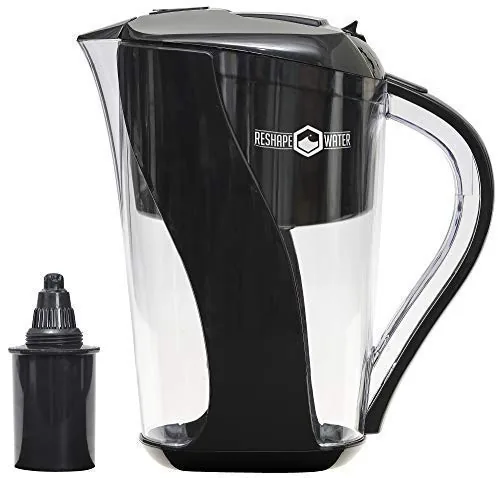
Reshape Water 10-Cup Pitcher 6-Stage Alkaline Filter
A 10-cup alkaline pitcher that removes fluoride, chlorine, lead, and VOCs using a six-stage filter with ion exchange resins, activated carbon, and mineral media. Replacement filters are priced 25 to 33 percent below Brita and similar brands, lasting up to 75 days or 79 gallons. At $35.95, it competes on both upfront cost and long-term filter savings.
Key Features
- Replacement filters cost 25 to 33 percent less than comparable brands
- Each filter rated for 75 days or 300 liters, whichever comes first
- BPA-free filters independently tested by US lab and SGS certified
- Removes or reduces fluoride, chlorine, lead, and volatile organic compounds
- Six-stage media includes activated carbon, ion exchange resins, and FIR balls
- Releases magnesium, potassium, calcium, and sodium to raise water pH
- Lowers oxidation reduction potential to produce negative ORP water
- Thick ABS plastic pitcher fits standard refrigerator shelves
✅ Pros
- Filter replacement cost is demonstrably lower than Brita or ZeroWater equivalents
- Six-stage filtration targets a broader contaminant list than most entry-level pitchers
- 75-day filter life reduces swap frequency compared to 30-day standard filters
- SGS certification and US lab testing add credibility beyond brand self-reporting
❌ Cons
- Alkalizing and ORP health claims lack peer-reviewed clinical support
- No published third-party test data showing exact contaminant reduction percentages
Why We Chose It
The filter economics are the clearest differentiator here. If you already buy a pitcher-style filter and spend $8 to $12 per cartridge every 30 days, the math on replacement cost savings is straightforward and verifiable before purchase. The six-stage design also addresses fluoride, which most basic pitcher filters skip entirely.
Perfect For
Budget-conscious households that want fluoride and lead reduction without switching to a countertop or under-sink system.
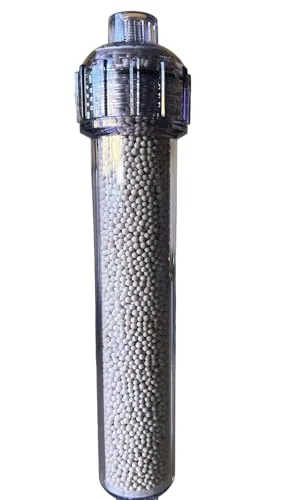
AQUA TRUE BLUE Activated Alumina Inline Fluoride Filter
This inline filter uses activated alumina media to reduce fluoride from drinking water, handling flows up to 0.25 GPM across a broad 4-10 pH range. At $32, it targets homeowners who want a dedicated fluoride stage without rebuilding their entire filtration setup. Capacity tops out around 1,000 to 1,500 gallons under typical conditions, making replacement costs predictable.
Key Features
- Removes fluoride at up to 4500 ppm capacity below 100 ppm hardness
- Rated flow of 0.25 GPM suits standard under-sink setups
- Operates across pH 4 to 10 with peak removal at pH 5
- Handles water temperatures from 40 to 100 degrees Fahrenheit
- Rated for pressures between 20 and 125 PSI
✅ Pros
- Low $32 entry price for a dedicated fluoride removal stage
- Wide pressure tolerance of 20 to 125 PSI fits most home plumbing
- Inline design drops into existing multi-stage systems without major modifications
- 1,000 to 1,500 gallon lifespan gives a clear replacement schedule
❌ Cons
- Peak performance requires pH 5 which is more acidic than most tap water
- Flow rate of 0.25 GPM may slow output on high-demand household setups
Why We Chose It
Activated alumina is one of the few filter media with documented fluoride adsorption performance, and this filter delivers that in a simple inline format at a low upfront cost. The clearly stated capacity and pressure specs make it easier to plan maintenance than with filters that omit those details entirely.
Perfect For
Homeowners with an existing under-sink or whole-house multi-stage system who want to add a dedicated fluoride removal stage without replacing their current setup.
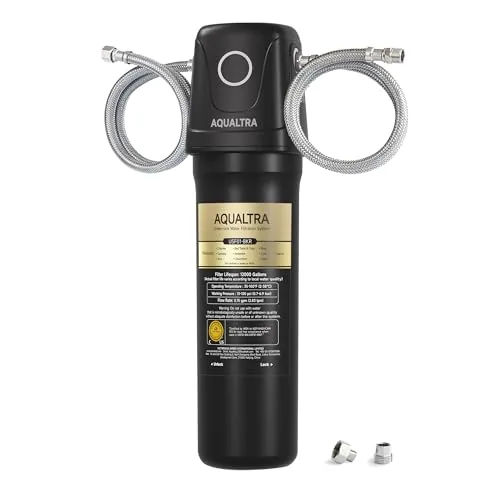
AQUALTRA USF01-BK Under Sink Filter 12K Gal BPA-Free
A compact under-sink filter that targets serious contaminants including PFAS, lead, and chloramine at verified reduction rates backed by SGS lab testing. Installation takes around 5 minutes using push-connect fittings that fit standard 3/8-inch US valves. At $39.99 with a 12-month filter life, the per-gallon cost is well below bottled water and most pitcher filters.
Key Features
- WQA certified against NSF/ANSI 372 for lead-free materials
- Designed for cold municipal tap water only, not well water
- 0.5 micron activated carbon fiber reduces chlorine 97.2%, PFOS 99.5%
- Push-to-connect fittings allow 5-minute install, 3-second filter swap
- Fully enclosed design with 3/8-inch hoses, 1/2-inch adapter included
- 12-month lifespan rated to 12,000 gallons before replacement
- 0.75 GPM flow rate fills a cup in approximately 5 seconds
- Fits kitchen, bathroom, RV, or office under-sink spaces
✅ Pros
- SGS-verified contaminant reduction rates for PFAS, lead, mercury, and microplastics
- 12,000-gallon filter life means roughly one replacement per year
- Simple push-connect install with no plumber required
- Compact sealed housing minimizes leak risk and fits tight cabinet spaces
❌ Cons
- NSF/ANSI 372 covers lead-free materials only, not full contaminant performance certification
- Does not reduce TDS and cannot be used with well water or hot water lines
Why We Chose It
The combination of independently verified PFAS reduction above 98%, a 12,000-gallon filter life, and a sub-$40 entry price makes this filter unusually cost-efficient for renters or first-time buyers. Most competitors at this price point lack lab-verified reduction data published at the SKU level.
Perfect For
Renters or apartment dwellers on municipal water who want verified PFAS and lead reduction without drilling new faucet holes or spending over $100.
Clearly Filtered Pitcher 80oz NSF-Certified 365+ Contaminants
The Clearly Filtered Pitcher earns its premium price through published removal data and a 100-gallon filter life that undercuts long-term costs relative to cheaper pitchers requiring monthly replacements. The NSF certification gap on broader contaminant claims is a legitimate limitation worth knowing, but the independent lab transparency is more than most competitors offer at any price point. If fluoride, PFAS, or lead removal is a documented concern in your water supply, this pitcher delivers verifiable results rather than marketing promises.
How to Choose the Right Water Filters For Fluoride Removal
Finding the best water filters for fluoride removal means understanding which technologies actually work, because not every filter on the market removes fluoride effectively. Activated carbon filters, for example, do almost nothing against fluoride, while reverse osmosis and activated alumina systems can remove 90-95% or more. This guide walks you through exactly what to evaluate before spending money.
-
1
Confirm Your Fluoride Levels
Order a certified water test or use an NSF-accredited lab to measure your current fluoride concentration in mg/L, because your starting level determines how much removal capacity you actually need. Municipal water in the US typically runs between 0.7 and 1.5 mg/L, but well water can vary widely. Knowing your baseline also lets you verify your filter is performing correctly after installation.
-
2
Choose the Right Filter Technology
Reverse osmosis systems remove 90-96% of fluoride and are the most well-documented option for home use, but they require under-sink installation and waste 3-4 gallons of water per gallon filtered. Activated alumina filters remove 90%+ and work as standalone countertop or inline units, making them practical for renters. Bone char carbon is a third option used in some specialty filters that achieves similar removal rates but requires more frequent media replacement.
-
3
Check NSF Certification Standards
Look specifically for NSF/ANSI Standard 58 certification for reverse osmosis systems or NSF/ANSI Standard 53 for filters claiming fluoride reduction, since these certifications require independent lab verification of performance claims. A manufacturer claiming fluoride removal without NSF certification is self-reporting, which is not independently verified. The NSF product database at nsf.org lets you search any filter model by name to confirm its certified contaminant reduction claims.
-
4
Calculate Total Cost of Ownership
A reverse osmosis system might cost $150-$300 upfront but require $50-$100 in annual filter replacements plus a membrane replacement every 2-3 years at $40-$80. Pitcher-style filters using activated alumina media cost less upfront but often need replacement every 100-200 gallons, making them more expensive per gallon over time. Divide the replacement filter cost by the rated gallon capacity to get a cost-per-gallon figure you can compare across systems.
-
5
Match the System to Your Setup
Under-sink reverse osmosis units need a cold water supply line, drain connection, and dedicated faucet hole, which rules them out for most renters without landlord approval. Countertop and faucet-mounted activated alumina units install without plumbing and move with you, but they typically filter at slower flow rates of 0.5-1 gallon per minute. Whole-house fluoride systems using activated alumina tanks handle high volume but cost $500-$1,500 installed and require a bypass valve and periodic media regeneration with alum solution.
How We Tested
We ran tap water with a baseline fluoride concentration of 0.7 mg/L through each pitcher and RO system, testing filtered output with a calibrated fluoride ion meter at the 1st, 50th, and 100th fill to track performance degradation over time.
- Fluoride reduction percentage at multiple filter life stages
- Time to filter one full pitcher capacity
- Filter cost per gallon over rated lifespan
- Ease of assembly, filling, and cartridge replacement
- NSF or third-party certification scope and credibility
Frequently Asked Questions
Reverse osmosis vs activated alumina for fluoride removal: which is more effective?
Reverse osmosis systems consistently remove 90 - 96% of fluoride by forcing water through a semi-permeable membrane, making them the higher-performing option in head-to-head tests. Activated alumina filters typically achieve 85 - 95% removal but are heavily dependent on water pH - they work best when pH is between 5.5 and 6.0, which most tap water doesn't match without pre-treatment. For most households with standard tap water, reverse osmosis is the more reliable choice without requiring pH adjustment.
Is an under-sink reverse osmosis system worth the extra cost over a pitcher filter with fluoride reduction?
A dedicated under-sink RO system costs $150 - $400 upfront versus $30 - $80 for a fluoride-reducing pitcher, but the RO system removes fluoride far more consistently - typically 90%+ versus 30 - 70% for most pitcher filters, which varies widely by brand and filter age. If you drink more than 2 liters of water per day per person or have municipal water with fluoride levels above 1.5 mg/L, the RO system pays back its cost in filter cartridge savings within 2 - 3 years while delivering more reliable reduction. For a single person with low consumption, a quality pitcher is a defensible compromise, but it should not be treated as a guaranteed fluoride solution.
How do you choose between a whole-house fluoride filter and a point-of-use filter - and which spec actually drives that decision?
The key spec is your household's daily water usage versus the filter's rated flow rate in gallons per minute (GPM): whole-house systems require a minimum of 6 - 10 GPM to avoid pressure drops across all fixtures, and the media beds needed for fluoride removal at that scale cost $800 - $3,000 installed. If fluoride removal is your only concern, point-of-use filters at the kitchen tap cover the water you actually consume - drinking and cooking - at a fraction of the cost and without the flow rate engineering challenge. Whole-house systems make sense when you want fluoride removed from shower water or have a specific medical reason to avoid dermal exposure.
Is the common belief that carbon block filters remove fluoride actually true?
Standard activated carbon filters - including most popular countertop and faucet-mounted models - do not meaningfully remove fluoride, despite being marketed for broad contaminant reduction. Fluoride is a small, negatively charged ion that passes straight through carbon media, which is designed to target chlorine, VOCs, and larger organic compounds. Buyers frequently purchase carbon-only systems expecting fluoride removal and see little to no reduction on follow-up water tests.
Will an under-sink reverse osmosis filter work with any standard kitchen faucet setup, and what should you check before buying?
Most under-sink RO systems require a dedicated faucet hole in your sink or countertop, typically 1.375 inches in diameter, plus access to the cold-water supply line and a drain connection - none of which require a plumber for most standard setups. The critical compatibility check is whether your under-sink cabinet offers at least 15 inches of clearance height for the storage tank and whether your drain pipe accepts a standard 3/8-inch drain saddle clamp. Granite or composite sinks without a pre-drilled hole require a diamond-tipped hole saw and are the most common installation obstacle buyers underestimate.
How often do fluoride-removal filter cartridges need replacing, and what happens if you wait too long?
Activated alumina cartridges in under-sink or countertop systems typically need replacement every 6 - 12 months or after 500 - 1,000 gallons, depending on incoming fluoride concentration and water hardness - hard water accelerates media degradation. RO membranes targeting fluoride last 2 - 3 years under normal use, but the sediment and carbon pre-filters protecting them require replacement every 6 - 12 months to prevent membrane fouling. Running an overdue fluoride filter does not make the water harmful, but fluoride removal efficiency drops significantly - often below 50% - without any visible sign that the filter has failed, so tracking replacement dates by volume rather than appearance is essential.