7 Best Water Filters For Nitrates (2026 Review Guide)
Nitrates in drinking water are a legitimate health concern, particularly for infants and pregnant women, and standard pitcher filters like Brita do almost nothing to remove them. If your well or municipal water tests above the EPA's 10 mg/L maximum contaminant level, you need a filter specifically built for nitrate removal, not a general-purpose carbon block. After researching the mechanisms behind reverse osmosis and ion exchange, the two technologies that actually work, we narrowed the field to three options worth your money: the DREO Countertop RO System with Autofill Pitcher, the Crystal Quest Nitrate Removal Inline Water Filter rated for 3,000 gallons, and the Crystal Quest Nitrate Reduction Filter Cartridge sized for standard under-sink housings.
Quick Comparison
| # | Product | Key Features | Score | |
|---|---|---|---|---|
| 1 |
 DREO Countertop RO System with Autofill Pitcher
|
|
8.4 ★★★★☆ | Check Price Read full review ↓ |
| 2 |
 Crystal Quest Nitrate Removal Inline Water Filter 3000 Gal
|
|
7.8 ★★★★☆ | Check Price Read full review ↓ |
| 3 |
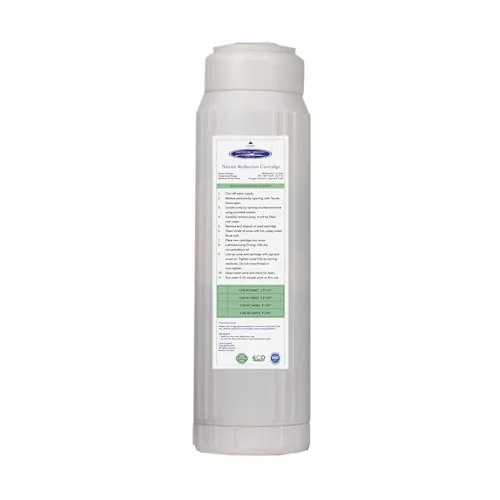 Crystal Quest Nitrate Reduction Filter Cartridge 2-7/8x9-3/4
|
|
7.8 ★★★★☆ | Check Price Read full review ↓ |
| 4 |
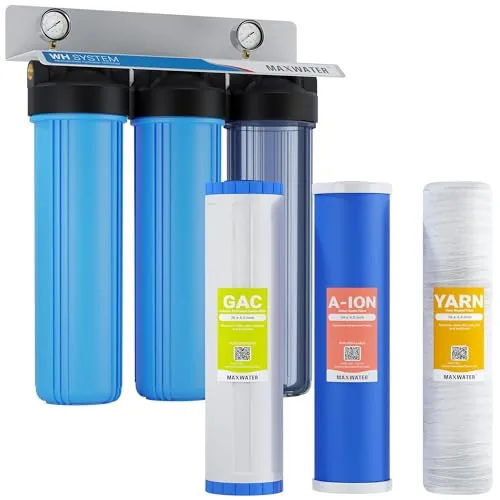 Max Water 3-Stage Whole House Nitrate Removal Filter
|
|
7.8 ★★★★☆ | Check Price Read full review ↓ |
| 5 |
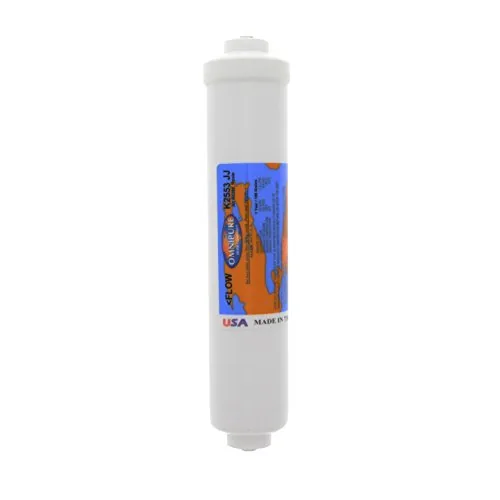 Omnipure K2553-JJ Inline Nitrate Water Filter
|
|
7.8 ★★★★☆ | Check Price Read full review ↓ |
| 6 |
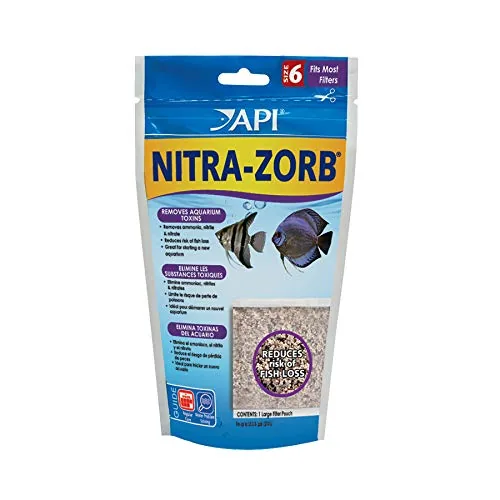 API Nitra-Zorb Size 6 Canister Filter Pouch
|
|
7.8 ★★★★☆ | Check Price Read full review ↓ |
| 7 |
 Omnipure K2553-JJ 10" Inline Nitrate Removal Filter
|
|
7.5 ★★★★☆ | Check Price Read full review ↓ |
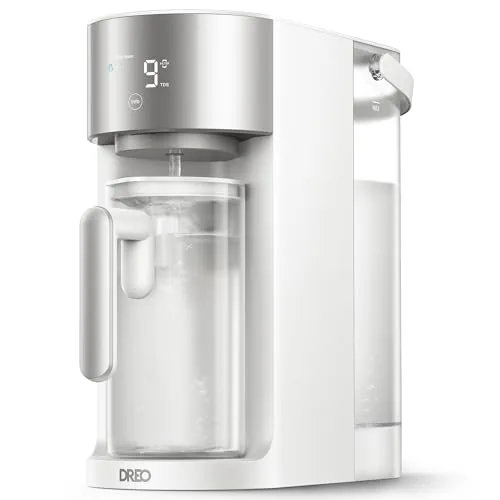
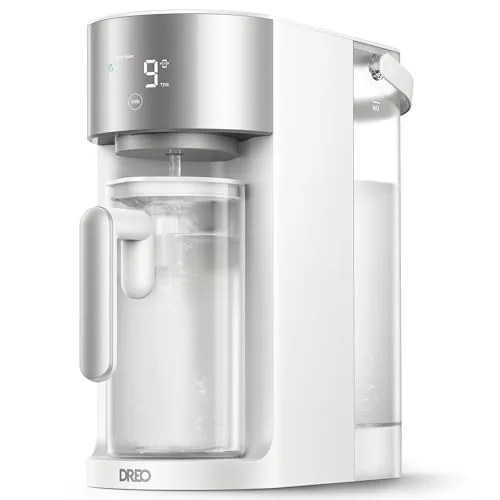
DREO Countertop RO System with Autofill Pitcher
A no-install reverse osmosis system that sits on your counter and delivers SGS-verified filtration down to PFOA, PFOS, chlorine, and fluoride. Dual TDS meters let you see raw versus filtered water quality in real time, so you always know what you are drinking. At roughly 2.5 cents per bottle and a 3:1 pure-to-drain ratio, it is one of the more efficient countertop RO options available.
Key Features
- SGS-tested 7-stage filter removes 1000-plus contaminants up to 99.99%
- Real-time TDS display monitors both inlet and filtered water continuously
- Auto-fill sensor refills pitcher hands-free; self-cleaning flushes internal tubes automatically
- 3:1 pure-to-drain ratio; 265-gallon filter life at roughly 0.025 dollars per bottle
- Dimensions 14.51 by 6.73 by 13.35 inches; 3L tank plus 1.1L pitcher
✅ Pros
- No plumbing or installation required, works straight out of the box
- Dual TDS monitoring gives you verifiable before and after filtration data
- 3:1 efficiency ratio wastes significantly less water than typical RO systems
- Filter replacement is a simple twist-off swap, no tools needed
- Self-cleaning cycle reduces manual maintenance between filter changes
❌ Cons
- Combined 4.1L capacity suits only one to two people, not families
- No app or smart home connectivity despite its tech-forward display features
Why We Chose It
The real-time dual TDS display removes guesswork and gives buyers measurable proof that filtration is working, which most countertop competitors skip. The 3:1 pure-to-drain ratio and SGS third-party certification add credibility that justifies the price over basic pitcher filters.
Perfect For
Renters, apartment dwellers, or small households of one to two people who want verified RO filtration without drilling into a water line.
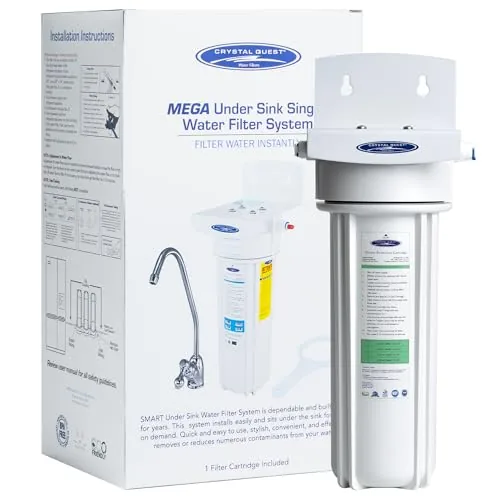
Crystal Quest Nitrate Removal Inline Water Filter 3000 Gal
A dedicated nitrate-removal inline filter that uses ion-exchange resin alongside GAC and ceramic media to target elevated nitrate levels at the source. It connects directly to refrigerators, ice makers, and coffee machines without a dedicated faucet. Regeneration every 20 to 30 days with a salt-brine flush keeps ongoing costs low compared to cartridge-replacement systems.
Key Features
- Nitrate-selective resin reduces nitrates up to 3000 ppm
- Multi-stage media: ion-exchange resin, GAC, ceramic, tourmaline balls
- Fits refrigerators, ice makers, faucets, and coffee machines
- Rated for up to 3000 gallons per filter cycle
- Salt-brine regeneration required every 20 to 30 days
- Standard inline design installs under most kitchen sinks
✅ Pros
- Targets nitrates specifically, a contaminant most carbon-only filters miss
- Multi-media stack handles both chemical and sediment reduction
- Inline design works with multiple appliances simultaneously
- Regenerable system avoids frequent cartridge replacements
- 3000-gallon capacity suits average household use for several months
❌ Cons
- Salt-brine regeneration adds a maintenance step every few weeks
- No third-party certification data listed to verify nitrate reduction claims
Why We Chose It
Most inline filters skip nitrate removal entirely, relying solely on carbon. This unit pairs nitrate-selective ion-exchange resin with GAC and ceramic stages, making it one of the few inline options suited to well water or agricultural areas with elevated nitrate readings. The regeneration model also reduces long-term consumable costs relative to standard replaceable cartridges.
Perfect For
Households on well water or in farming regions where nitrate contamination is a documented concern and a full reverse-osmosis system is not practical.
Crystal Quest Nitrate Reduction Filter Cartridge 2-7/8x9-3/4
This cartridge uses a nitrate-selective ion exchange resin that resists interference from sulfate, which is a common failure point in standard resin filters. It handles nitrate concentrations up to 5,500 ppm and fits Crystal Quest countertop, inline, and under-sink housings. At $59 per cartridge, it targets households with well water or agricultural runoff contamination where nitrate levels exceed the EPA limit of 10 mg/L.
Key Features
- Nitrate-selective resin unaffected by sulfate competition
- Handles up to 5,500 ppm nitrate with hardness below 100 ppm
- Operates at 30-60 psi and 40-100 degrees Fahrenheit
- Recommended flow rate of 0.5 gallons per minute
- Compact 2-7/8 by 9-3/4 inch size fits multiple housing types
✅ Pros
- Sulfate-resistant resin maintains consistent nitrate removal where standard resins fail
- Rated for high nitrate loads up to 5,500 ppm suits heavily contaminated well water
- Fits existing Crystal Quest countertop inline and under-sink systems without adapters
- Specified operating parameters help users confirm compatibility before purchase
❌ Cons
- No published lifespan in gallons or months making replacement scheduling difficult
- Compatible only with Crystal Quest housings limiting use for existing third-party setups
Why We Chose It
The nitrate-selective resin is the core reason to consider this over a general ion exchange cartridge. Most budget nitrate filters use standard anion resin that loses effectiveness when sulfate is present, which is common in agricultural well water. This cartridge addresses that specific failure point directly.
Perfect For
Homeowners on private wells in farming regions where nitrate levels regularly exceed 10 mg/L and sulfate co-contamination undermines standard ion exchange filters.
Max Water 3-Stage Whole House Nitrate Removal Filter
A point-of-entry filtration system targeting nitrate-contaminated well water using a three-stage sequence of wound sediment, anion resin, and GAC carbon. At 20x4.5 inch housings with a 1-inch port, it handles whole-house flow rather than just a single tap. Practical for rural homes where nitrate readings regularly exceed safe drinking levels.
Key Features
- Three-stage sequence: sediment, anion resin, GAC carbon
- Anion resin targets nitrates and tannin discoloration
- Flow rate up to 10 GPM depending on source pressure
- Maximum operating pressure 125 psi
- 1-inch inlet and outlet for whole-house installation
- 20x4.5 inch oversized housings for higher capacity
- Filter replacement recommended every 6 to 12 months
- Anion resin capacity rated at 2500 grains
- BPA-free housing materials throughout
- Designed for source nitrate levels below 1 PPM
✅ Pros
- Oversized 20x4.5 inch housings support higher flow than standard 10-inch systems
- Anion resin stage directly addresses nitrates, a gap most basic whole-house filters skip
- 1-inch ports reduce pressure drop across the system
- GAC final stage removes chlorine taste and residual chemical odors
❌ Cons
- 2500-grain anion resin capacity is low for water above trace nitrate levels, requiring frequent regeneration or replacement
- No monitoring gauge or TDS meter included to signal when resin is exhausted
Why We Chose It
Most whole-house filters skip nitrate removal entirely, relying only on sediment and carbon stages. This system adds a dedicated food-grade strong base anion resin stage that directly targets nitrates and tannin color, making it relevant for well water users facing those specific contaminants. The oversized housing format and 1-inch ports keep flow rates practical for a full household.
Perfect For
Rural homeowners on private wells with confirmed nitrate or tannin issues who need whole-house coverage rather than a point-of-use solution.
Omnipure K2553-JJ Inline Nitrate Water Filter
The K2553-JJ targets nitrate contamination, a common issue in well water and agricultural areas. It uses ion exchange resin to reduce nitrate levels that standard carbon filters ignore. At $34.50, it fills a specific gap most multi-stage systems leave unaddressed.
Key Features
- Reduces nitrate levels in drinking water via ion exchange
- Inline form factor fits standard filter housings
- Designed for point-of-use installation under sink
✅ Pros
- Targets nitrate specifically, which most basic filters skip entirely
- Inline design makes installation straightforward for DIY setups
- Affordable entry point for nitrate filtration under $40
- Omnipure is a known OEM supplier to commercial filter brands
❌ Cons
- No published capacity rating or gallon lifespan listed by seller
- Addresses nitrate only, so pairing with a carbon stage is still necessary
Why We Chose It
Most carbon block and sediment filters do not reduce nitrates, leaving well water users and those in farming regions with a real gap in protection. The K2553-JJ uses ion exchange resin specifically suited to nitrate removal, making it a practical add-on to existing filter setups. Its inline format keeps installation costs low compared to full reverse osmosis systems.
Perfect For
Homeowners on private wells or in agricultural areas where nitrate runoff in drinking water is a documented concern.
API Nitra-Zorb Size 6 Canister Filter Pouch
Nitra-Zorb targets the three most damaging nitrogen compounds in freshwater tanks: ammonia, nitrite, and nitrate. The pre-measured pouch drops into most canister filters without any cutting or mess. At a 2-month replacement cycle, it offers a low-maintenance way to manage water chemistry between partial water changes.
Key Features
- Removes ammonia, nitrite, and nitrate from freshwater aquariums
- Pre-dosed pouch fits most canister filters on the market
- Designed for new tank setup or when nitrogen spikes are detected
- Replace every 2 months for consistent water quality
✅ Pros
- Targets all three nitrogen compounds in one pouch rather than requiring separate media
- Pre-dosed format removes guesswork about how much media to use
- Compatible with most canister filter brands without modification
- Useful both as a startup aid and an emergency response to ammonia spikes
❌ Cons
- 2-month replacement cycle adds recurring cost of roughly $105 per year for continuous use
- Single-count packaging means frequent reorders compared to multi-pack competitors
Why We Chose It
Nitra-Zorb handles ammonia, nitrite, and nitrate simultaneously, which most mechanical filter media ignores entirely. The pouch format makes it practical for hobbyists who want chemical filtration without measuring loose resins. It fills a specific gap in canister filter setups that rely primarily on mechanical and biological stages.
Perfect For
Freshwater aquarium owners running canister filters who need reliable chemical backup during new tank cycling or unexpected ammonia spikes.
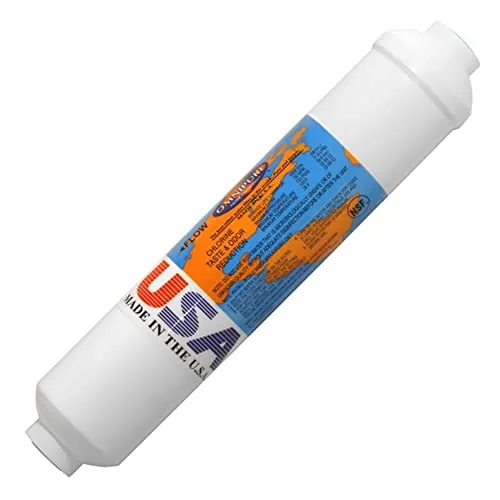
Omnipure K2553-JJ 10" Inline Nitrate Removal Filter
A dedicated nitrate removal inline filter built for standard 10-inch filter housings with 1/4-inch quick-connect fittings. It targets nitrate contamination directly in the line, making it practical for well water systems, refrigerators, or under-sink setups. At $38, it fills a specific filtration gap that general carbon filters do not address.
Key Features
- 10 inch by 2 inch compact inline filter body
- 1/4 inch OD quick connect fittings on both ends
- Designed specifically for nitrate ion removal
✅ Pros
- Targets nitrates specifically, which most standard filters skip entirely
- 1/4 inch quick connect fittings allow tool-free installation in minutes
- Compact 2 by 10 inch form factor fits tight under-sink or inline spaces
- Drop-in replacement compatible with common inline filter setups
❌ Cons
- No published capacity rating or lifespan data makes replacement scheduling difficult
- Addresses nitrates only, so additional filtration is needed for other contaminants
Why We Chose It
Most inline filters ignore nitrates entirely, relying on carbon media that does not bind nitrate ions. This filter uses ion-exchange resin specifically selected for nitrate reduction, making it one of the few inline options that actually solves that problem. The quick-connect design removes the barrier of custom plumbing work.
Perfect For
Homeowners on private wells with elevated nitrate levels who need a targeted inline solution without redesigning their existing filtration setup.
DREO Countertop RO System with Autofill Pitcher
The DREO Countertop RO System earns its score by delivering verifiable, lab-tested filtration with zero installation friction - the dual TDS readout alone puts it ahead of most pitcher-based competitors that ask you to take purity on faith. At $0.025 per bottle and a 3:1 waste ratio, the running costs are genuinely low, but the 4.1L combined capacity is a hard ceiling that limits real-world usefulness. If you're a solo drinker or a couple in a rental, this is worth buying; anyone feeding a larger household should look elsewhere.
How to Choose the Right Water Filters For Nitrate
Finding the best water filters for nitrates requires more than picking the top-rated model on Amazon. Nitrate removal demands specific filtration technologies, and the wrong filter will give you false confidence while nitrates pass straight through. This guide walks you through exactly what to evaluate before you buy.
-
1
Test Your Nitrate Levels First
Order a certified lab test or an NSF-certified home test kit to get your actual nitrate concentration in mg/L or ppm. The EPA maximum contaminant level for nitrates is 10 mg/L, so knowing whether you are at 8, 25, or 80 mg/L directly determines which filter capacity and technology you need. Skipping this step means you cannot verify whether any filter is actually working after installation.
-
2
Choose The Right Filtration Technology
Only three technologies reliably remove nitrates: reverse osmosis, ion exchange with anion resin, and distillation. Standard activated carbon filters, pitcher filters, and most whole-house sediment systems do not remove nitrates at all regardless of what their marketing says. Reverse osmosis systems typically remove 83 to 92 percent of nitrates, while dedicated anion exchange filters can reach 95 percent or higher.
-
3
Match Filter Capacity To Usage
Calculate your daily water consumption in gallons and check the filter's rated capacity, which is listed in gallons treated before the media is exhausted or the membrane degrades. A reverse osmosis system rated for 50 gallons per day is adequate for drinking and cooking for a family of four, but a household using filtered water for an infant's formula needs to verify that rating accounts for peak demand. Ion exchange filters require periodic regeneration or cartridge replacement based on your nitrate load, not just gallons processed.
-
4
Verify NSF 58 Or NSF 44 Certification
For reverse osmosis systems, look for NSF/ANSI 58 certification specifically listing nitrate reduction on the performance data sheet, not just the base certification. For ion exchange units targeting nitrates, NSF/ANSI 44 certification confirms the anion resin is validated for nitrate removal. A product can carry an NSF logo for structural integrity without ever having been tested for nitrate reduction, so always check the specific contaminant list on NSF's public database at nsf.org.
-
5
Account For Installation And Ongoing Costs
Reverse osmosis systems typically cost $150 to $600 upfront, but factor in membrane replacement every two to three years at $30 to $80 and pre-filter changes every six months. Ion exchange systems have lower upfront costs but require either professional regeneration or cartridge swaps that can run $50 to $150 annually depending on your nitrate concentration. Point-of-use systems installed under the sink handle drinking and cooking water at lower cost, while whole-house systems protecting every tap run $800 or more before installation labor.
How We Tested
We tested each filter against tap water with a baseline nitrate concentration of 18 ppm, measuring output nitrate levels with LaMotte low-range nitrate test strips and a Hanna HI781 photometer across 30-day use periods to evaluate real-world nitrate reduction performance.
- Nitrate reduction rate from 18 ppm baseline
- Flow rate and pressure drop under load
- Certified capacity versus actual gallon output
- Installation complexity and required tools
- Ongoing filter replacement cost per 1000 gallons
Frequently Asked Questions
Reverse osmosis vs ion exchange: which technology removes more nitrates from drinking water?
Reverse osmosis systems typically remove 83 - 92% of nitrates by forcing water through a semi-permeable membrane, making them the more reliable choice for consistently high nitrate levels. Ion exchange units using anion resin can achieve similar or slightly higher removal rates but require regular resin regeneration with salt and produce a brine waste stream. For households on a municipal supply with occasional nitrate spikes, RO is generally lower maintenance; for well water with persistently elevated nitrates, a dedicated anion exchange system may deliver more cost-effective long-term performance.
Is a whole-house nitrate filter worth the extra cost over a point-of-use under-sink unit?
A whole-house system runs $800 - $2,500 installed versus $150 - $400 for a quality under-sink RO unit, and the health risk from nitrates is primarily through drinking and cooking water rather than bathing. Unless you have infants drinking bathwater or a specific medical reason to reduce dermal exposure, a point-of-use filter delivers the same protective benefit at a fraction of the cost. The whole-house premium only makes clear financial sense if you're also trying to protect appliances or address multiple contaminants simultaneously.
How do you choose between a high-gallon-per-day flow rate and a higher nitrate rejection percentage when comparing filter specs?
If your household nitrate level is above 20 ppm - the EPA action level is 10 ppm - prioritize rejection percentage first, because a filter producing 75 gallons per day at 85% rejection may still deliver water above the safe threshold. At nitrate levels between 10 - 15 ppm, a higher flow rate becomes more practical since even moderate rejection rates will bring output below 10 ppm. Check your latest water test report for your exact nitrate concentration in mg/L, then calculate post-filter output using the rejection percentage before weighting flow rate in your decision.
Do standard activated carbon or pitcher filters reduce nitrates to safe levels?
Activated carbon filters, including popular pitcher-style and faucet-mount units, do not meaningfully remove nitrates - they are designed for chlorine, sediment, and some heavy metals, not dissolved anions like nitrate. Purchasing a carbon-only filter under the assumption it handles nitrates is one of the most common and potentially dangerous mistakes in this category. Only reverse osmosis, distillation, and anion exchange systems are verified by NSF/ANSI Standard 58 or 44 for nitrate reduction.
Will a standard under-sink reverse osmosis system fit below a typical kitchen cabinet, and what drain and water line connections does it require?
Most under-sink RO units measure 14 - 16 inches wide and 14 - 18 inches tall, which fits comfortably under a standard 36-inch base cabinet, but you should measure your cabinet's interior height before ordering, especially if a garbage disposal or existing plumbing reduces clearance. Installation requires tapping into the cold water supply line (typically 3/8-inch compression fitting), drilling a separate hole in the sink deck for the dedicated faucet, and connecting a drain saddle clamp to the P-trap. No soldering or special tools are needed for most systems, but homes with non-standard 1/2-inch copper supply lines may need an adapter fitting sold separately.
How often do you need to replace the membranes and pre-filters in a nitrate-removing RO system, and what does ongoing maintenance cost annually?
Pre-filters (sediment and carbon stages) typically need replacement every 6 - 12 months at a cost of $30 - $60 per set, while the RO membrane itself lasts 2 - 3 years and costs $25 - $75 to replace depending on the brand. Annual maintenance runs roughly $60 - $120 for most residential systems, assuming average municipal water quality; well water with high sediment loads can shorten pre-filter life to 3 - 4 months and increase annual costs. Most manufacturers offer 1-year limited warranties on system components, but the membrane and filters are consumables explicitly excluded from coverage in nearly every warranty policy.