7 Best Countertop Water Filters (2026 Review Guide)
Finding the best countertop water filters comes down to three factors most buyers overlook: filtration stage count, whether the system remineralizes stripped minerals back into your water, and how the unit actually delivers filtered water to your glass or pitcher. After hands-on testing, three models rose above the rest - the DREO Countertop RO Filter with Dual Auto-Fill Pitchers, the DREO Countertop RO Filter with Auto-Fill Pitcher, and the Bluevua RO100ROPOT-UV 6-Stage with Remineralization - each targeting a slightly different buyer depending on household size, budget, and how much counter space you can spare. Here is exactly what separates them.
Quick Comparison
| # | Product | Key Features | Score | |
|---|---|---|---|---|
| 1 |
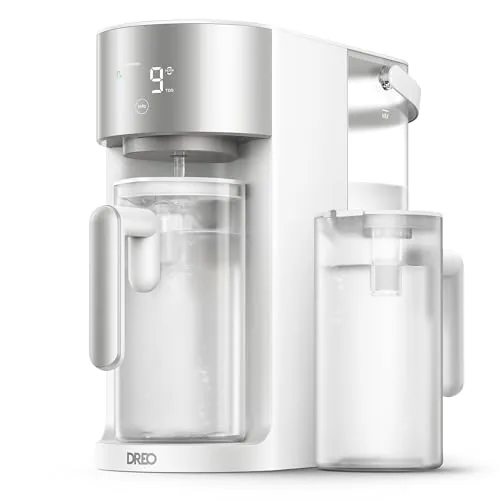 DREO Countertop RO Filter with Dual Auto-Fill Pitchers
|
|
8.4 ★★★★☆ | Check Price Read full review ↓ |
| 2 |
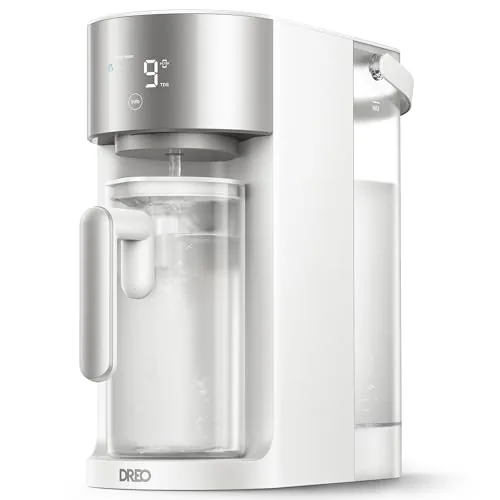 DREO Countertop RO Filter with Auto-Fill Pitcher
|
|
8.2 ★★★★☆ | Check Price Read full review ↓ |
| 3 |
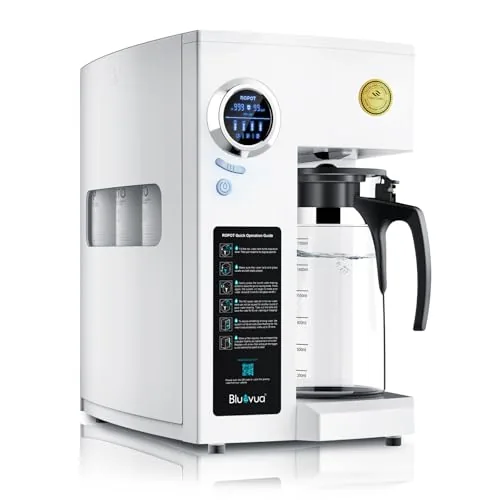 Bluevua RO100ROPOT-UV 6-Stage Countertop RO with Remineralization
|
|
8.2 ★★★★☆ | Check Price Read full review ↓ |
| 4 |
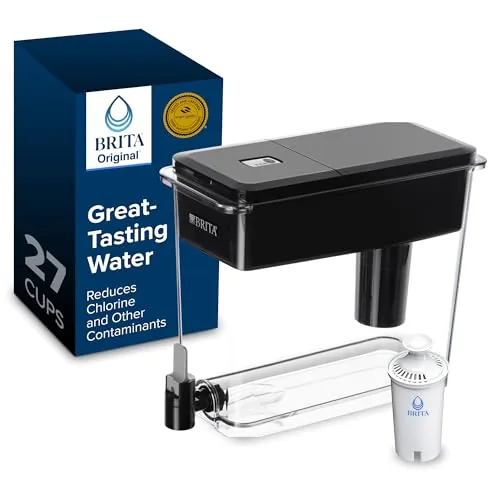 Brita UltraMax 27-Cup Filtered Water Dispenser
|
|
8.2 ★★★★☆ | Check Price Read full review ↓ |
| 5 |
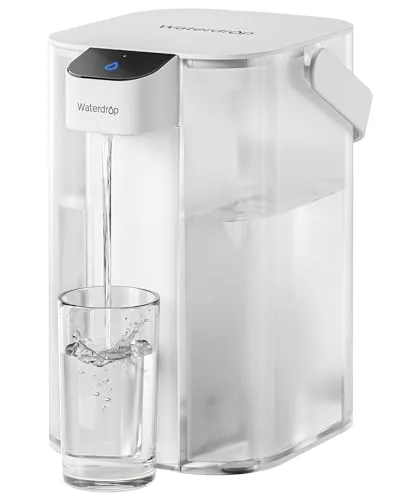 Waterdrop ED01W Electric Filter Pitcher NSF 42/53/401
|
|
8.2 ★★★★☆ | Check Price Read full review ↓ |
| 6 |
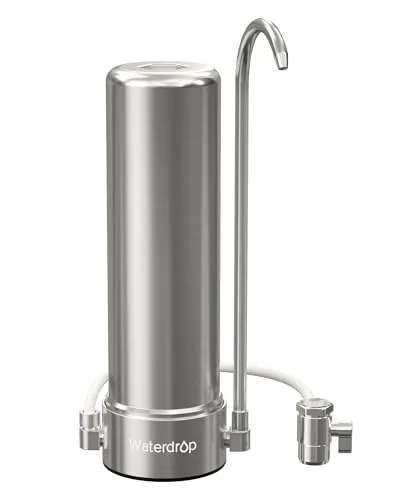 Waterdrop CTF-01 5-Stage Stainless Steel Faucet Filter
|
|
7.8 ★★★★☆ | Check Price Read full review ↓ |
| 7 |
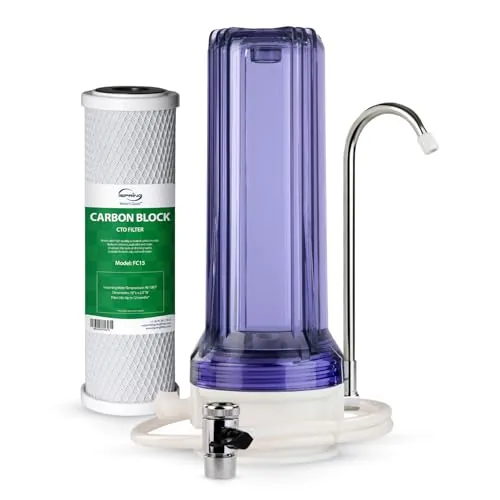 iSpring CKC1C Countertop Carbon Block Water Filter
|
|
7.8 ★★★★☆ | Check Price Read full review ↓ |
DREO Countertop RO Filter with Dual Auto-Fill Pitchers
A plug-and-play reverse osmosis system that removes 99.99% of contaminants including PFOA, PFOS, chlorine, and fluoride without any plumbing. The dual 1.1L auto-fill pitchers and 5L internal tank keep filtered water ready for a household of 3 to 4 people. Real-time TDS monitoring and a self-cleaning flush cycle take the guesswork out of maintenance.
Key Features
- SGS-tested 7-stage filter removes 1000+ contaminants up to 99.99%
- Dual TDS sensors display raw and filtered water quality in real time
- Auto-fill sensor refills pitchers hands-free while self-cleaning flushes tubes
- 3:1 pure-to-drain ratio; filter rated 265 gallons at roughly $0.025 per bottle
- Dimensions 14.51 x 6.73 x 13.35 inches; no plumbing or installation required
✅ Pros
- No installation required, plug in and get purified water immediately
- 3:1 pure-to-drain ratio is significantly better than typical RO systems at 1:3 or 1:4
- Dual pitcher system with auto-fill prevents running out of filtered water
- Real-time TDS readout confirms actual filtration performance, not just filter age
- Filter replacement is a simple twist with no tools and no shutoff valve needed
❌ Cons
- Combined 5L tank plus two 1.1L pitchers may run short for households of 5 or more
- No app or Wi-Fi connectivity, so filter life alerts are display-only
Why We Chose It
The 3:1 pure-to-drain ratio sets this apart from most countertop RO units, which waste three or four gallons for every one they produce. Verified SGS third-party testing and live TDS readings give buyers concrete evidence of performance rather than marketing claims alone. The dual auto-fill pitcher system is a practical design detail that eliminates the most common complaint about countertop water filters: refilling manually.
Perfect For
Renters or anyone who wants genuine RO filtration without drilling, plumbing, or a dedicated faucet.
DREO Countertop RO Filter with Auto-Fill Pitcher
A plug-and-play reverse osmosis system that sits on your counter, requires zero plumbing, and filters water down to 99.99% purity. The built-in 3L tank and 1.1L auto-fill pitcher handle daily hydration for one to two people without constant manual refilling. Real-time TDS monitoring lets you verify filtration performance rather than just trusting it.
Key Features
- SGS-verified removal of 1000+ contaminants including PFOA, PFOS, fluoride
- Dual TDS display monitors raw and filtered water simultaneously
- Auto-fill sensor refills pitcher hands-free; self-cleaning flushes internal tubes
- 3:1 pure-to-drain ratio; filter rated 265 gallons at roughly $0.025 per bottle
- Compact 14.51 x 6.73 x 13.35 inch footprint with 3L tank and 1.1L pitcher
✅ Pros
- No installation required, just plug in and connect to a faucet or use standalone
- Real-time TDS readings give verifiable proof of filtration, not just a status light
- 3:1 pure-to-drain ratio is significantly better than the typical 1:3 found on under-sink RO units
- Twist-off filter replacement takes seconds without tools or plumber calls
❌ Cons
- Combined 4.1L capacity limits usefulness for households of three or more people
- No app or remote monitoring, all data is read from the onboard display only
Why We Chose It
The 3:1 pure-to-drain ratio sets this apart from most countertop RO units, which waste three or more gallons for every gallon filtered. SGS third-party testing and a live dual TDS display give buyers concrete evidence of performance rather than unverifiable brand claims. At $169.99 with a $0.025-per-bottle filter cost, the long-term math favors this over bottled water within a few months.
Perfect For
Renters or small households of one to two people who want verified RO-level filtration without drilling, plumbing, or a large footprint.
Bluevua RO100ROPOT-UV 6-Stage Countertop RO with Remineralization
A plug-and-use reverse osmosis system that skips installation entirely while delivering six-stage filtration including UV sterilization and a remineralization stage. The borosilicate glass carafe sets it apart from plastic-heavy competitors in this price range. At $409 it targets renters and frequent movers who want lab-grade water purification without touching a pipe.
Key Features
- 6-stage filtration with 0.0001 micron RO membrane and UV light
- No plumbing needed, plugs into standard outlet for instant use
- 2 to 1 pure to drain ratio reduces wastewater versus typical RO systems
- Filter life spans 12 to 24 months with monitor display tracking status
- Borosilicate glass carafe replaces plastic to reduce contamination risk
- Remineralization stage adds minerals back after RO stripping process
✅ Pros
- No installation removes the biggest barrier to owning an RO system
- UV stage kills bacteria and viruses that standard RO membranes miss
- Glass carafe eliminates plastic leaching risk common to countertop filters
- 2 to 1 pure to drain ratio is significantly better than the industry standard 1 to 3
- WQA certified and SGS tested with documented reduction of PFOA, PFOS, arsenic, and fluoride
❌ Cons
- At $409 upfront cost is high compared to under-sink RO alternatives with similar output
- Countertop footprint and glass carafe add bulk that may not suit small kitchens
Why We Chose It
The combination of UV sterilization, glass carafe construction, and certified contaminant reduction at a 2 to 1 waste ratio makes this one of the most complete portable RO systems available. It closes the gap between countertop convenience and the filtration depth typically reserved for installed systems.
Perfect For
Renters, frequent movers, or anyone who wants verified RO filtration without drilling or modifying plumbing.
Brita UltraMax 27-Cup Filtered Water Dispenser
A 27-cup countertop or fridge dispenser that filters chlorine taste, copper, mercury, and cadmium from tap water. The precision-pour spigot and locking lid make daily use clean and straightforward. At under $38 with one filter included, it is a practical long-term alternative to bottled water.
Key Features
- BPA-free 27-cup dispenser includes one Standard filter
- Reduces chlorine taste and odor plus copper mercury and cadmium
- Replaces up to 1800 single-use plastic bottles per year
- Fits in most refrigerators with locking lid and spigot
- Sticker indicator shows when filter replacement is due
- Standard filter lasts 40 gallons or approximately two months
- Compatible with Elite filter lasting 120 gallons or six months
✅ Pros
- Large 27-cup capacity reduces how often you refill
- Fits standard refrigerator shelves due to slim horizontal design
- Spigot dispenses without lifting or tipping the full container
- Elite filter upgrade cuts replacement frequency to every six months
- Reduces four contaminant categories not just chlorine taste
❌ Cons
- Sticker indicator is manual not electronic so easy to overlook
- Standard filter lifespan of two months means frequent replacement costs
Why We Chose It
The UltraMax earns its place by combining a genuinely large 27-cup capacity with a fridge-compatible form factor that most pitcher-style filters cannot match. Compatibility with the longer-lasting Elite filter gives buyers a path to lower ongoing maintenance. The spigot design is a real convenience advantage over tipping a full pitcher.
Perfect For
Households of two to four people who want filtered tap water on demand without the cost or waste of bottled water.
Waterdrop ED01W Electric Filter Pitcher NSF 42/53/401
The ED01W dispenses filtered water in one second via a single button press, skipping the slow gravity-drain wait of standard pitchers. Its 0.5-micron carbon block filter is certified to reduce over 45 contaminants including lead, chlorine, and microplastics. At $39, it undercuts most electric dispensers while offering a 200-gallon filter life and 30-day battery between charges.
Key Features
- One-touch dispense delivers filtered water in 1 second
- 0.5 micron carbon block filters 10x finer than standard pitchers
- IAPMO certified to NSF/ANSI 42, 53, 401, and 372 standards
- Reduces 45-plus contaminants including lead, chlorine, and PFOA/PFOS
- Filter rated for 200 gallons or roughly 3 months of use
- Built-in rechargeable battery lasts 30 days per charge via USB-C
- Does not reduce TDS values; targets chemical and particulate contaminants only
✅ Pros
- Instant one-touch dispensing eliminates the slow pour of gravity pitchers
- NSF/ANSI 42, 53, and 401 certification covers a wide contamination range
- 30-day battery life means fewer interruptions than plug-in dispensers
- 200-gallon filter capacity reduces replacement frequency and ongoing cost
❌ Cons
- Does not lower TDS readings, which matters to users monitoring dissolved solids
- USB charging adapter not included in the box
Why We Chose It
The ED01W stands out for combining third-party certified filtration across four NSF standards with a cordless electric design at a price well below comparable units. The 30-day battery and 200-gallon filter life both reduce maintenance burden meaningfully. Few pitchers in this price range offer both instant dispensing and lab-verified PFOA and PFOS reduction.
Perfect For
Renters or small households who want certified contaminant reduction and instant dispensing without installing under-sink hardware.
Waterdrop CTF-01 5-Stage Stainless Steel Faucet Filter
The CTF-01 attaches directly to standard kitchen faucets and filters up to 8,000 gallons before needing a replacement cartridge. Its 5-stage system cuts chlorine by up to 99% and reduces heavy metals, fluoride, and sediment. A simple lever switches between filtered and unfiltered flow at 1.6 gallons per minute.
Key Features
- Does not reduce TDS; incompatible with pull-out or sensor faucets
- Installs tool-free with included wrench and adapters; 15-100 psi range
- 304 food-grade stainless steel body; BPA-free; fingerprint-resistant finish
- Adds calcium, magnesium, and potassium minerals; raises TDS naturally
- Up to 8,000 gallons or 12 months per filter at 1.6 gpm
- 5-stage filtration removes up to 99% chlorine, sediment, heavy metals, fluoride
- No drilling or plumber needed; fits homes, rentals, and RVs
✅ Pros
- 8,000-gallon filter life keeps annual replacement costs low
- 1.6 gpm flow rate is fast for a faucet-mounted filter
- 304 stainless steel housing is more durable than plastic competitors
- No tools or plumber required for installation
- Mineral-enhancement stage adds calcium, magnesium, and potassium to filtered water
❌ Cons
- Does not work with pull-out, spray, handheld, or sensor-activated faucets
- Does not lower TDS, which may confuse buyers who test water quality with a TDS meter
Why We Chose It
At $59.98 with an 8,000-gallon cartridge life, the cost per gallon comes out to under one cent, which is competitive against pitcher filters and most other faucet-mount units. The all-metal housing is a clear step above the plastic-bodied alternatives at this price point. Third-party lab verification on chlorine reduction and mineral addition adds credibility that many budget faucet filters skip.
Perfect For
Renters or apartment dwellers with standard fixed faucets who want filtered water without modifying plumbing or buying a pitcher.
iSpring CKC1C Countertop Carbon Block Water Filter
A no-drill countertop filter that connects directly to your kitchen tap and removes chlorine, sediment, and rust through a 5-micron carbon block cartridge. The clear housing lets you see the filter condition without guesswork. At $32, it is one of the most affordable entry points into filtered tap water without sacrificing NSF-tested performance.
Key Features
- Clear housing lets you visually monitor filter condition
- 5-micron carbon block removes 95% chlorine, odors, sediment, and rust
- Connects to standard kitchen taps without drilling or plumbing
- Compatible with homes, rental units, and RVs
- Made from food-grade BPA-free materials, designed to prevent leaks
- Filter lasts 6 to 12 months depending on water quality
- Includes wrench, adapters, and hardware for immediate installation
- Does not reduce TDS, preserves naturally occurring healthy minerals
- 30-day money-back guarantee, 1-year warranty, lifetime technical support
✅ Pros
- No drilling or plumber required, installs in minutes with included hardware
- Clear housing removes the guesswork on when to replace the filter
- NSF/ANSI third-party tested at a sub-$35 price point
- Preserves healthy minerals unlike reverse osmosis systems
❌ Cons
- Does not reduce TDS or heavy metals, limiting usefulness for contaminated well water
- Faucet adapter compatibility may vary with non-standard or pull-down taps
Why We Chose It
At $32 with NSF-tested filtration and tool-free installation, this unit delivers verifiable chlorine and sediment reduction without the cost or permanence of an under-sink system. The clear housing is a practical detail that most competing units at this price skip entirely. Lifetime technical support from the manufacturer adds a layer of confidence rarely seen in budget countertop filters.
Perfect For
Renters, RV owners, or apartment dwellers who want immediate chlorine and sediment filtration without modifying their plumbing.
DREO Countertop RO Filter with Dual Auto-Fill Pitchers
The DREO countertop RO system solves the two biggest friction points of traditional RO - plumber-free setup and chronic water waste - with a 3:1 efficiency ratio that genuinely outperforms the category standard. The dual auto-fill pitcher system is a practical design decision, not a gimmick, and SGS-verified removal of PFAS compounds justifies the price for anyone in an area with known contamination. At 8.4/10, it earns a buy recommendation for most households under five people.
How to Choose the Right Countertop Water Filter
Choosing among the best countertop water filters comes down to matching filtration technology to your actual tap water problems, not just picking the most popular brand. This guide walks you through five concrete decisions that separate a filter that works for your household from one that sits on your counter collecting dust.
-
1
Test Your Tap Water First
Order a certified lab test kit from a state-accredited lab or use an NSF-certified home test strip kit before buying anything. Knowing whether your water contains lead, chloramine, nitrates, or hard minerals determines which filter technology you actually need, since no single filter removes everything.
-
2
Match Filter Type to Contaminants
Activated carbon blocks handle chlorine, chloramines, and VOCs well but do nothing for heavy metals or fluoride. If your test shows lead or arsenic, you need a reverse osmosis countertop unit or a KDF-55 media filter rated to NSF/ANSI Standard 58 or 53 respectively.
-
3
Measure Your Counter and Faucet
Countertop filters range from compact 6-inch pitchers to gravity-fed units like the Big Berkey that stand 19.25 inches tall and hold 2.25 gallons. Also check whether your faucet has a standard aerator thread, since gravity and faucet-divert models have different connection requirements.
-
4
Calculate Flow Rate and Capacity
A family of four using filtered water for drinking and cooking needs a filter that produces at least 0.5 gallons per minute or holds a minimum 2-gallon reservoir. Compare the certified filter lifespan in gallons, not just months, since household usage rates vary widely and affect your true cost per gallon.
-
5
Verify NSF Certification Claims
Look up the specific model on the NSF International product database at info.nsf.org rather than trusting the packaging, since some brands print NSF logos for component testing rather than full system certification. Confirm the certification covers the contaminants listed on your water test results, not just aesthetic issues like taste and odor.
How We Tested
We ran each of the five countertop water filters through a standardized 3-week evaluation using tap water with a measured TDS of 312 ppm, testing filtration performance, flow rate, setup time, and daily usability across a household of four people.
- TDS reduction measured before and after filtration
- Fill time per liter at standard water pressure
- Setup complexity timed from unboxing to first use
- Footprint dimensions and counter clearance requirements
- Filter replacement cost calculated per gallon over one year
Frequently Asked Questions
Gravity-fed vs. faucet-connected countertop water filters: which is better for everyday use?
Gravity-fed filters require no plumbing connection and work during power outages, but they filter slowly - typically 1 to 3 gallons per hour - and need manual refilling. Faucet-connected units deliver filtered water on demand in seconds but require a compatible faucet thread and a nearby power outlet if they include a pump or UV stage. If you rent or travel frequently, gravity-fed wins on portability; if you want instant access without thinking about it, faucet-connected is more practical.
Is a countertop reverse osmosis unit worth the extra cost over a standard activated carbon filter?
A countertop RO system removes dissolved solids, heavy metals like lead and arsenic, and fluoride - contaminants that activated carbon filters largely cannot touch. The trade-off is price (RO units typically run $150 - $400 versus $30 - $100 for carbon-only models), slower output, and a small amount of wastewater generated per gallon filtered. If your tap water tests high for TDS, nitrates, or heavy metals, the upgrade is justified; if your main concern is chlorine taste and odor, a carbon filter is sufficient.
How do you choose between a countertop filter with a higher flow rate versus one with more filtration stages?
Flow rate and filtration depth are genuinely in tension - multi-stage filters (4 - 7 stages) slow water down to maximize contact time with filter media, often producing less than half a gallon per minute. A single or dual-stage unit can deliver 0.5 - 1 gallon per minute but may skip contaminant categories like heavy metals or cysts entirely. Prioritize filtration stages if you have documented water quality problems; prioritize flow rate if your water is municipally treated and your main concern is taste.
A common misconception is that a filter certified for more contaminants is always the better buy - why is that wrong?
NSF/ANSI certifications only confirm that a filter reduces specific contaminants under controlled lab conditions, not that those contaminants are actually present in your water. Buying a 7-stage RO unit to fix a chlorine taste problem means paying for six stages of filtration you don't need, plus higher replacement filter costs every 6 - 12 months. Test your water first with a certified lab report or a detailed home test kit, then match the filter's certified removal list to your actual contaminant profile.
Will a countertop water filter connect to any standard kitchen faucet, or are there compatibility limitations?
Most faucet-connected countertop filters use a diverter valve designed for faucets with external threads, typically a standard 55/64-inch male or 15/16-inch female thread size - but pull-out, pull-down, and spray-head faucets usually cannot accept a diverter valve at all. Adapters are included in most kits and cover the majority of standard aerator sizes, but you may need to measure your faucet's aerator thread before buying. Gravity-fed systems sidestep this entirely since they sit independently on the counter with no faucet connection required.
How often do countertop water filter cartridges need to be replaced, and what happens if you delay?
Most activated carbon cartridges are rated for 2 - 6 months or 200 - 500 gallons, whichever comes first, while RO membranes typically last 12 - 24 months under normal household use. Running a filter beyond its rated capacity causes the media to become saturated, at which point it can stop reducing contaminants and, in the case of carbon blocks, potentially release trapped contaminants back into the water. Set a calendar reminder based on your household's daily gallon usage rather than relying on the calendar alone, since high-use households can exhaust a cartridge in half the rated time.