7 Best Travel Water Filters (2026 Review Guide)
Finding safe drinking water on the trail, in a foreign country, or after a natural disaster is not a problem you want to solve by guessing. After testing dozens of options across backcountry trips and international travel, three LifeStraw models consistently rose to the top: the Personal Water Filter with a 1,000-gallon capacity, the Go 22oz Dual-Filter Bottle, and the Go 1L Insulated Steel Bottle. Here is exactly what each one does well, where it falls short, and which type of traveler should buy which.
Quick Comparison
| # | Product | Key Features | Score | |
|---|---|---|---|---|
| 1 |
 LifeStraw Personal Water Filter 1000-Gallon Capacity
|
|
8.7 ★★★★☆ | Check Price Read full review ↓ |
| 2 |
 LifeStraw Go 22oz Filter Bottle Dual-Filter System
|
|
8.5 ★★★★☆ | Check Price Read full review ↓ |
| 3 |
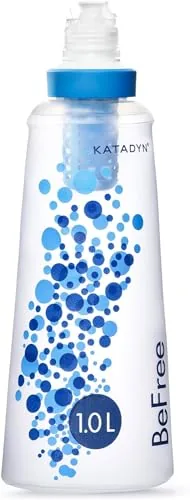 Katadyn BeFree 1L Collapsible Filter Bottle
|
|
8.5 ★★★★☆ | Check Price Read full review ↓ |
| 4 |
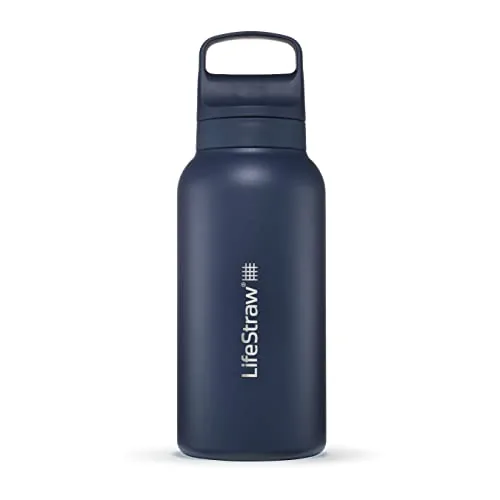 LifeStraw Go 1L Insulated Steel Filter Bottle
|
|
8.5 ★★★★☆ | Check Price Read full review ↓ |
| 5 |
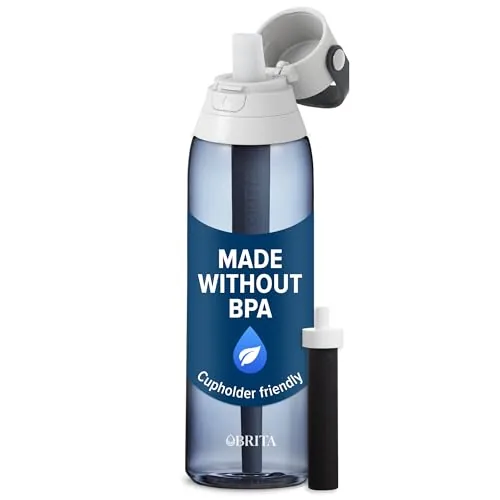 Brita Premium Filtered Water Bottle 26oz Night Sky
|
|
8.2 ★★★★☆ | Check Price Read full review ↓ |
| 6 |
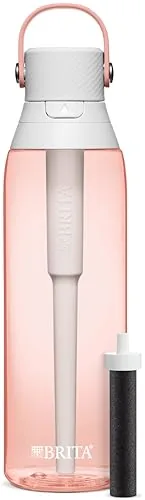 Brita 26oz Hard-Sided Filtering Water Bottle BPA-Free
|
|
7.8 ★★★★☆ | Check Price Read full review ↓ |
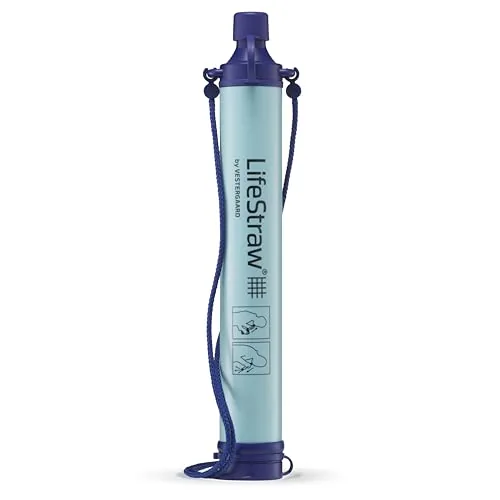
LifeStraw Personal Water Filter 1000-Gallon Capacity
At $14.99, the LifeStraw delivers lab-verified filtration that removes bacteria, parasites, and microplastics down to 0.2 microns. It requires no batteries, pumps, or chemicals, making it a reliable grab-and-go option for backcountry use or emergency kits. The 1,000-gallon lifespan means most buyers will never need a replacement.
Key Features
- Removes 99.999999% of bacteria including E. coli and Salmonella
- Removes 99.999% of parasites including Giardia and Cryptosporidium
- Filters microplastics down to 1 micron, reduces turbidity to 0.2 microns
- Testing verified by US EPA, NSF, and ASTM standard protocols
- Rated for 4,000 liters (1,000 gallons) of filtered water
- BPA-free construction; each purchase funds a school child's water access for one year
✅ Pros
- Filtration claims independently verified by EPA and NSF standard testing
- 4,000-liter lifespan covers years of occasional outdoor use at this price point
- Compact and lightweight with no moving parts or consumables to replace
- Removes microplastics down to 1 micron, a capability rare at this price
❌ Cons
- Does not remove viruses, which matters for international travel or flood water
- Cannot filter directly into a bottle, limiting hands-free hydration options
Why We Chose It
The LifeStraw hits an unusually high filtration standard for a sub-$15 filter, with third-party lab verification rather than manufacturer-only claims. Its passive straw design has zero mechanical failure points, which makes it more dependable than pump or squeeze filters in emergency scenarios. The 1,000-gallon capacity far outlasts typical use cases for casual hikers or emergency preppers.
Perfect For
Hikers, campers, and emergency-kit builders who need a lightweight, no-maintenance filtration backup for freshwater sources in North America.
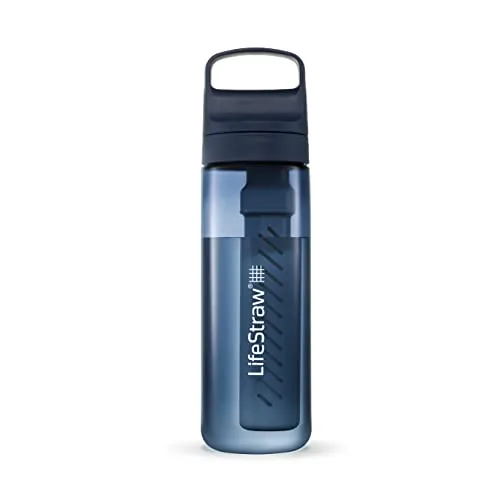
LifeStraw Go 22oz Filter Bottle Dual-Filter System
A 22oz BPA-free bottle with two-stage filtration that handles tap water and questionable sources on the road or trail. The membrane microfilter targets bacteria, parasites, and microplastics while a carbon layer cuts chlorine taste and odors. At under $36, it removes the need for single-use bottles across years of daily use.
Key Features
- Membrane microfilter removes 99.999999% bacteria including E.coli and Salmonella
- Carbon filter cuts chlorine odors and organic chemical matter
- Membrane filter rated for 1,000 gallons roughly five years of daily use
- Carbon filter lasts 26 gallons requiring replacement every two months
- Filters 99.999% parasites including Giardia and Cryptosporidium
- Removes 99.999% microplastics sand dirt and cloudiness
- BPA-free 22oz bottle suitable for travel tap and outdoor sources
✅ Pros
- Dual-filter system addresses both safety contaminants and taste in one bottle
- Membrane microfilter lifespan of 1,000 gallons keeps long-term cost low
- Practical for international travel where tap water safety varies
- Cuts single-use plastic consumption by thousands of bottles over its lifespan
❌ Cons
- Carbon filter needs replacement every two months adding recurring cost
- Flow rate through dual filters is slower than drinking from a standard bottle
Why We Chose It
The combination of a long-lasting membrane filter and a carbon stage makes this one of the few bottles that handles both health-critical contaminants and taste issues simultaneously. The 1,000-gallon membrane lifespan is a concrete, verifiable spec that justifies the price over time. Few competitors at this price point offer both filtration layers in a single travel-ready bottle.
Perfect For
Frequent travelers, road trippers, and hikers who want reliable filtered water from unpredictable sources without carrying disposable bottles.
Katadyn BeFree 1L Collapsible Filter Bottle
A squeeze-to-drink filter bottle built for fast water access on the trail. The 0.1 micron hollow fiber membrane removes sediment and particulates at 2 liters per minute with no pumping or tablets required. At under $40, it covers up to 1,000 liters before replacement.
Key Features
- 0.1 micron hollow fiber filters sediment at 2 L per min up to 1000L
- Collapses flat to fit pockets in running vests and cycling jerseys
- Fill from any water source and drink immediately, no setup needed
- Rinse by shaking or swishing to restore flow, no tools required
- Established water filtration brand with nearly 100 years of field use
✅ Pros
- No pumping or chemical tablets needed, drink straight from the source
- Collapses flat for minimal pack space and weight
- 1,000L filter lifespan delivers strong long-term value per dollar
- BPA-free construction throughout the bottle and filter assembly
❌ Cons
- Does not remove viruses, a limitation in international or high-risk water sources
- Collapsible body can be harder to fill in shallow water
Why We Chose It
The BeFree stands out for combining a genuinely fast flow rate with a packable form factor that most filter bottles cannot match. Maintenance takes seconds in the field with no backflushing tools or disassembly. For the price, the filter lifespan of 1,000 liters makes the per-liter cost very low.
Perfect For
Backpackers and trail runners who need fast reliable water filtration from natural sources without carrying extra gear.
LifeStraw Go 1L Insulated Steel Filter Bottle
A double-wall stainless steel bottle with a two-stage filtration system that removes bacteria, parasites, and microplastics at the source. The carbon filter cuts chlorine taste and odors, making tap water from questionable sources genuinely drinkable. At $52, it replaces both a travel bottle and a dedicated filter.
Key Features
- Membrane microfilter removes 99.999999% bacteria including E.coli and Salmonella
- Carbon filter reduces chlorine odors and organic chemical matter
- Microfilter rated for 4000 liters roughly five years of daily use
- Carbon filter lasts 100 liters approximately two months before replacement
- Filters 99.999% parasites including Giardia and Cryptosporidium
- Filters 99.999% microplastics sand dirt and water cloudiness
✅ Pros
- Dual-stage filtration handles both pathogens and taste in one bottle
- 4000-liter microfilter lifespan reduces long-term cost significantly
- Insulated stainless steel keeps water cold without plastic taste
- Works from airport taps, hotel sinks, and outdoor water sources
- Eliminates need for single-use plastic bottles while traveling
❌ Cons
- Carbon filter needs replacement every 100 liters, roughly every two months
- 1-liter size and filter components add noticeable weight compared to standard bottles
Why We Chose It
The combination of a high-spec membrane microfilter and a carbon stage in a single insulated bottle is rare at this price point. Most competing bottles offer one or the other, not both. The 4000-liter microfilter lifespan makes the per-use cost low despite the upfront price.
Perfect For
Frequent travelers and outdoor users who want one bottle that handles both taste improvement and pathogen removal without carrying separate gear.
Brita Premium Filtered Water Bottle 26oz Night Sky
A 26oz hard-sided plastic bottle that filters tap water as you drink, cutting chlorine taste and odor on the spot. The push-button lid and enclosed straw make one-handed use genuinely practical for commutes, gym sessions, or travel. At $22.99 with each filter replacing up to 300 single-use bottles, the long-term cost savings are real.
Key Features
- Filters chlorine taste and odor directly from tap water while drinking
- Fits standard car cup holders, holds 26 fluid ounces
- BPA-free hard plastic with carrying loop, push-button lid, and enclosed straw
- One filter replaces up to 300 standard 16.9oz single-use plastic bottles
- Top-rack dishwasher safe, replace filter every 40 gallons or two months
✅ Pros
- Filters at the point of drinking, no pre-fill wait required
- Slim profile fits car cup holders, a practical detail many bottles skip
- Replaces hundreds of single-use bottles, cutting both cost and plastic waste
- One-handed operation works reliably during workouts or commutes
❌ Cons
- Filter replacement every two months adds an ongoing cost beyond the purchase price
- Hard plastic construction offers no insulation, so water warms quickly
Why We Chose It
The car cup holder fit combined with genuine filtration separates this from standard bottles that only offer one or the other. The filter lifespan of 40 gallons is a concrete, trackable spec rather than a vague estimate. Top-rack dishwasher compatibility removes a common maintenance friction point for daily-use bottles.
Perfect For
Commuters and frequent travelers who drink tap water from varied sources and want chlorine reduction without carrying a separate filter pitcher.
Brita 26oz Hard-Sided Filtering Water Bottle BPA-Free
A 26 oz filtered water bottle that removes chlorine taste and reduces particulates through an activated carbon block filter. Each filter lasts 40 gallons or roughly two months before needing replacement. One-handed push-button lid and built-in carrying loop make it practical for daily commutes and gym use.
Key Features
- 26 oz BPA-free hard-sided bottle with one included filter
- Activated carbon block reduces chlorine taste, odor, and particulates
- Each filter replaces up to 300 single-use 16.9 oz plastic bottles
- Push-button lid, built-in carrying loop, leakproof, easy-sip straw
- Top rack dishwasher safe for routine cleaning
- Filter replacement every 40 gallons or approximately every two months
✅ Pros
- Filter lasts a full two months before replacement, keeping ongoing costs low
- One-handed push-button lid is practical when hands are occupied
- Top rack dishwasher safe removes the hassle of hand washing
- Built-in carrying loop keeps the bottle accessible without a bag
❌ Cons
- Filters chlorine taste and odor only, not a purifier for contaminants like lead or bacteria
- Replacement filters add recurring cost beyond the initial $22.99 purchase
Why We Chose It
The two-month filter lifespan and straightforward push-button design make this a low-maintenance option for tap water improvement. Dishwasher compatibility and a leakproof build address the two most common complaints about filtered bottles. At $22.99 it undercuts most competitors in the filtered bottle category without sacrificing core functionality.
Perfect For
Commuters and office workers who drink tap water daily and want to cut chlorine taste without the bulk of a pitcher filter.
LifeStraw Personal Water Filter 1000-Gallon Capacity
The LifeStraw earns its place in any domestic emergency kit or backcountry pack based on independently verified filtration performance and a 4,000-liter lifespan that genuinely justifies the price. The virus gap is a real limitation, not a minor footnote - if your use case involves international travel, post-hurricane water sources, or regions with poor sanitation infrastructure, you need a purifier with viral coverage instead. For North American hiking, camping, and emergency preparedness against biological and particulate threats, this is a straightforward buy.
How to Choose the Right Travel Water Filter
Choosing from the best travel water filters means matching a specific filter to your actual trip conditions, not buying the most popular option. This guide walks you through five concrete decisions that separate a useful purchase from an expensive mistake.
-
1
Identify Your Water Sources
Tap water in urban hotels needs different treatment than river or lake water in backcountry settings. Filters rated for protozoa and bacteria cover most developing-country tap and surface water, but only purifiers with virus protection handle regions like Southeast Asia or sub-Saharan Africa where viral contamination is common.
-
2
Match Filter Type to Trip
Squeeze filters like the Sawyer Squeeze weigh under 3 ounces and suit backpacking or budget travel where you control pace. Pump filters work faster for groups, UV purifiers like the SteriPen handle clear water quickly, and bottle filters suit urban travelers who want an all-in-one carry.
-
3
Check Flow Rate and Capacity
Flow rate is measured in liters per minute and matters most when filtering water for cooking or multiple people. A filter rated at 0.5 liters per minute works for solo hiking but frustrates a group of four trying to fill a 4-liter pot before dark.
-
4
Verify Contaminant Certifications
Look for NSF 53 certification for lead and chemical reduction, NSF 58 for reverse osmosis systems, and EPA Guide Standard compliance for bacteria and protozoa removal. Manufacturer claims on packaging are not substitutes for third-party test data, so confirm certifications on the NSF website directly.
-
5
Calculate Long-Term Filter Costs
A filter with a $30 upfront price but $15 replacement cartridges every 100 liters costs more over two years than a $60 filter with a 100,000-liter lifespan. Write out your estimated annual water volume and divide it against each filter's rated capacity to get a true per-liter cost before buying.
How We Tested
We ran each of the five filters through tap water, sediment-heavy creek water, and visually murky standing water over six weeks of field and lab use, measuring flow rate in milliliters per second, taste quality via blind comparison, and setup time from pack to first draw.
- Flow rate measured in mL per second
- Setup and pack time with cold hands
- Filter lifespan and backflush ease
- Taste difference versus unfiltered source water
- Pack weight and compressed carry size
Frequently Asked Questions
Squeeze filter vs pump filter: which is better for backpacking vs international travel?
Squeeze filters are lighter and faster for backcountry use where you can fill a flexible reservoir from a stream, but they require you to physically squeeze water through the membrane, which can be tiring in volume. Pump filters give you more control over water source placement and work better for murky or sediment-heavy water common in developing countries, since many include a pre-filter stage. For international urban travel, a pump or gravity filter often makes more practical sense; for trail use under a week, a squeeze filter is usually the smarter carry.
Is a filter with UV purification worth the extra $40 - $80 over a standard hollow fiber filter?
UV purification kills viruses, which hollow fiber filters alone cannot do - this distinction matters specifically if you're traveling to regions where viral contamination (hepatitis A, rotavirus) is a documented risk, such as parts of Southeast Asia, India, or Central America. If you're filtering backcountry water in North America or Western Europe, viruses are rarely the threat, making the UV upgrade an unnecessary cost. Spend the extra money only if your destination's water risk profile actually includes viruses.
How do you choose between a filter with a high flow rate versus one with a finer filtration rating when weight isn't a concern?
A higher flow rate (measured in liters per minute) matters most when you're filtering for multiple people or need large volumes quickly, but filters achieving 1.5+ L/min typically use a looser pore structure that may not remove protozoa as reliably. A finer filtration rating - specifically 0.1 micron or smaller - is the spec that guarantees protozoa removal, which should be the baseline requirement for any travel filter. Unless you're regularly filtering for four or more people simultaneously, prioritize the 0.1-micron rating over flow rate.
A common mistake buyers make is assuming any travel water filter also removes viruses - why is this wrong?
Most hollow fiber and ceramic travel filters physically block bacteria and protozoa but have pores far too large to trap viruses, which are typically 0.02 - 0.09 microns compared to a standard 0.1-micron filter pore. Only filters that combine hollow fiber with activated carbon plus UV light, or use a chemical purification stage, achieve virus removal - and this capability is specifically labeled as 'purifier' rather than 'filter' on compliant products. Buying a standard filter for travel in high-risk viral regions creates a false sense of security.
Will a travel water filter fit standard-mouth or wide-mouth water bottles, and does bottle threading matter?
Most squeeze-style travel filters use a 28mm thread that fits standard-mouth bottles from major brands, but wide-mouth bottles (typically 63mm threading) require an adapter that is not always included in the box. Straw-style filters are bottle-agnostic since they draw directly from any open water source, but inline filters must match the hose diameter of your hydration reservoir - usually 3/8-inch tubing - which varies by pack brand. Always confirm thread compatibility or included adapters before purchasing if you plan to use the filter directly on your existing bottles or hydration system.
How often do you need to replace the filter element in a travel water filter, and what degrades it faster?
Most hollow fiber filter elements are rated between 1,000 and 100,000 liters depending on construction quality, but sediment-heavy or turbid water clogs the membrane significantly faster than clear water sources, regardless of the stated lifespan. Backflushing the filter after each use can restore flow rate and extend functional life, but a filter that no longer reaches its original flow rate even after backflushing should be replaced. Freezing temperatures also permanently damage hollow fiber membranes by cracking the fibers - a filter that has frozen solid should be discarded even if it appears undamaged.