6 Best Under Sink Water Filters (2026 Review Guide)
If you've been drinking tap water and wondering what's actually in it - chlorine, lead, sediment, PFAS - an under sink filter is one of the most effective fixes you can install without a plumber or a second mortgage. After testing and researching dozens of options, three filters consistently earned top marks across different buyer needs: the iSpring RCC7AK-BN for households that want reverse osmosis filtration with alkaline pH balancing, the CuZn UC-200 for renters or anyone who wants a low-maintenance inline option that lasts up to five years without a filter swap, and the ICEPURE Under Sink Filter for buyers who need high-volume capacity - 22,000 gallons - at a fraction of the cost of RO systems. Here's what each one actually delivers, where each one falls short, and how to match the right filter to your water quality and budget.
Quick Comparison
| # | Product | Key Features | Score | |
|---|---|---|---|---|
| 1 |
 iSpring RCC7AK-BN Alkaline 6-Stage RO System pH+
|
|
8.7 ★★★★☆ | Check Price Read full review ↓ |
| 2 |
 CuZn UC-200 Under Sink Filter 5-Year Inline
|
|
8.5 ★★★★☆ | Check Price Read full review ↓ |
| 3 |
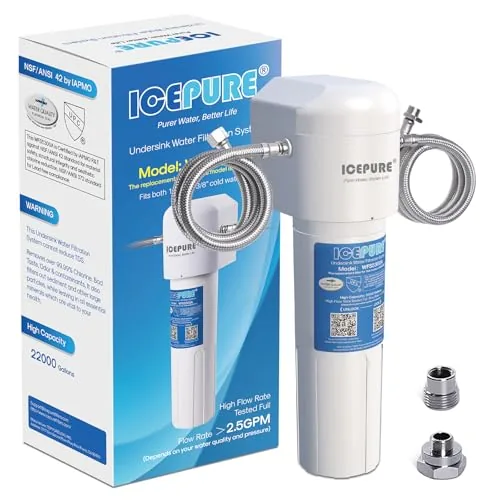 ICEPURE Under Sink Water Filter 22000 Gal 3-Year
|
|
8.2 ★★★★☆ | Check Price Read full review ↓ |
| 4 |
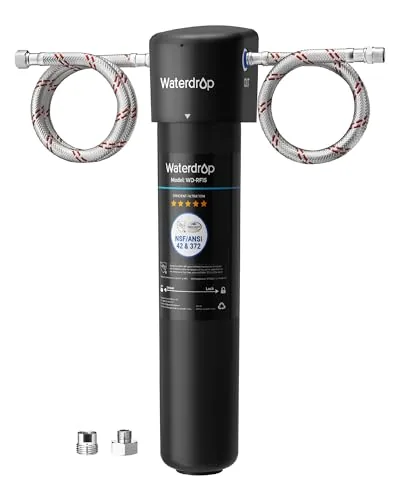 Waterdrop 15UA Under Sink Filter 19,000 Gal 2-Year
|
|
8.2 ★★★★☆ | Check Price Read full review ↓ |
| 5 |
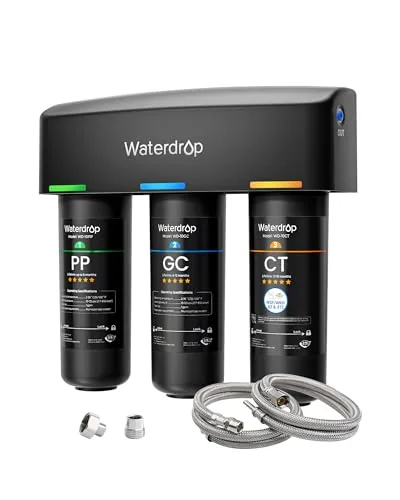 Waterdrop TSA 8-Layer Under-Sink Filter, NSF 42 Certified
|
|
8.2 ★★★★☆ | Check Price Read full review ↓ |
| 6 |
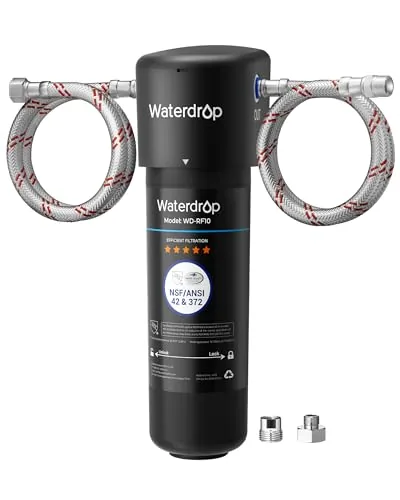 Waterdrop 10UA Under Sink Filter NSF 42 Certified
|
|
7.8 ★★★★☆ | Check Price Read full review ↓ |
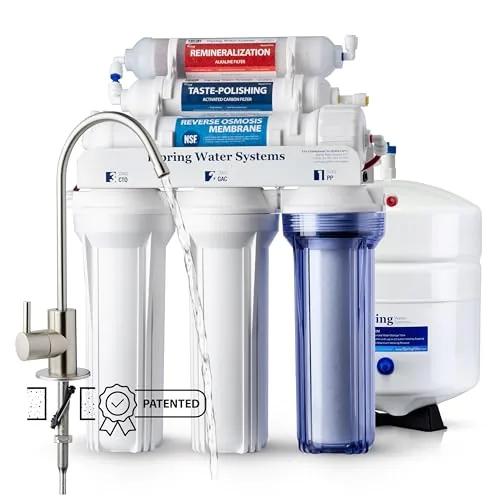
iSpring RCC7AK-BN Alkaline 6-Stage RO System pH+
A six-stage under-sink reverse osmosis system that removes up to 99% of lead, PFAS, fluoride, and 1,000+ contaminants, then adds minerals back through a remineralization stage to raise pH. NSF/ANSI 58 certified for the full system, not just individual components. The patented top-mount faucet and quick-fit connections make this one of the more installer-friendly RO units at this price point.
Key Features
- Top-mounted faucet fastener installs entirely from above the countertop
- Remineralization stage adds minerals and raises pH toward alkaline range
- Transparent first-stage housing lets you see sediment buildup without disassembly
- Full system certified to NSF/ANSI 58, not just individual components
- Reduces TDS 93-98%, PFAS 96-99%, lead 98.9%, fluoride 97.4%
- Quick-fit connections with printed manual and video walkthrough included
- US-based lifetime technical support available from Atlanta, GA office
- Replacement filter sets available in 6-month, 1-year, 2-year, and 3-year intervals
✅ Pros
- NSF 58 certification covers the entire system, a meaningful distinction over competitors
- Documented contaminant reduction rates give buyers concrete performance expectations
- Remineralization stage addresses the flat taste common to standard RO output
- Top-mount faucet design removes the need to work blind under the sink
- Multiple pre-bundled filter replacement kits reduce long-term maintenance friction
❌ Cons
- 75 GPD output is adequate for most households but slower than higher-capacity competitors
- Six-stage system requires more filter replacements over time compared to four-stage units
Why We Chose It
The full-system NSF 58 certification and publicly listed contaminant reduction percentages put this unit above most competitors at the same price, where certification often covers only one or two components. The added alkaline stage solves the flat-taste problem without requiring a separate inline filter purchase. At $234.99 it delivers verified performance, a practical installation design, and long-term filter availability.
Perfect For
Homeowners on municipal water who want verified contaminant removal plus remineralized drinking water without hiring a plumber.
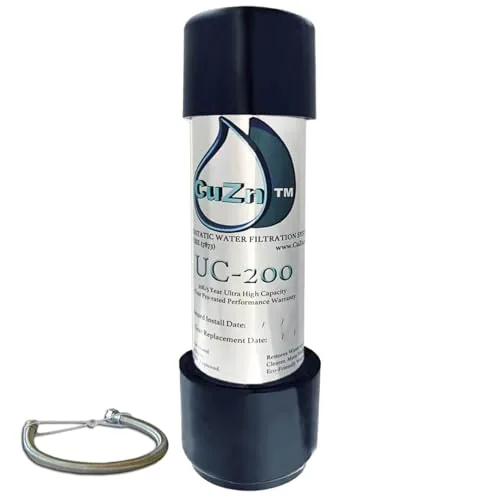
CuZn UC-200 Under Sink Filter 5-Year Inline
The UC-200 runs for five years before needing a replacement, making it one of the lowest long-term cost options in its category. It uses a three-stage system combining KDF-55 and coconut shell carbon to cut chlorine, lead, and PFAS without stripping minerals. Installation requires no drilling and works inline with existing faucet lines.
Key Features
- 5-year filter lifespan reduces replacement cost significantly
- Three-stage filtration: sediment membrane, KDF-55, coconut shell carbon
- Inline design installs without drilling, hardware included
- Tested to reduce PFAS, PFOA, PFOS, lead, and chlorine
- NSF/ANSI 42 certified components, retains beneficial minerals
- Does not reduce TDS, reverse osmosis required for that
✅ Pros
- 5-year filter life cuts long-term cost versus 6-month competitors
- No-drill inline install fits tight under-sink spaces
- Reduces PFAS, lead, and chlorine without stripping minerals
- NSF/ANSI 42 certified materials back performance claims
❌ Cons
- Does not reduce TDS, limiting usefulness for hard water concerns
- No dedicated faucet included, relies on existing tap
Why We Chose It
At $121.43 with a 5-year filter life, the per-year cost works out to roughly $24, which undercuts most cartridge-based under-sink filters significantly. The combination of KDF-55 and coconut shell carbon handles both chemical contaminants and taste issues in one compact unit. Independent testing and NSF certification add credibility beyond manufacturer claims.
Perfect For
Renters or homeowners who want long-term contaminant reduction without permanent plumbing changes or frequent filter replacements.
ICEPURE Under Sink Water Filter 22000 Gal 3-Year
A direct-connect under-sink filter that installs in under 3 minutes without drilling or a dedicated faucet. Rated for 22,000 gallons over 3 years, it uses a 0.5-micron coconut shell carbon block to reduce chlorine, sediment, and heavy metals. At $47.49 with no professional installation needed, the per-gallon cost is exceptionally low.
Key Features
- Installs in under 3 minutes, no tools or plumber required
- NSF/ANSI 42 certified for chlorine, taste, and odor reduction
- 22,000-gallon capacity rated for 3 years of use
- 0.5-micron coconut shell carbon block filters sediment and heavy metals
- 2.5 GPM flow rate tested at 60 PSI
- BPA-free, food-grade materials with NSF/ANSI 372 lead-free certification
- Fits 1/2 inch or 3/8 inch female NPT cold water lines
- Connects directly to existing faucet, no countertop hole needed
✅ Pros
- 22,000-gallon lifespan cuts long-term cost to fractions of a cent per gallon
- Sub-3-minute installation with no plumber and no extra faucet hole
- NSF/ANSI 42 and 372 certifications provide independent performance verification
- 2.5 GPM flow rate avoids the slow-trickle problem common in under-sink filters
❌ Cons
- NSF/ANSI 42 covers chlorine and aesthetics only, not contaminants like lead or PFAS at a reduction level
- Limited to cold water lines and specific NPT thread sizes, requiring confirmation before purchase
Why We Chose It
The 22,000-gallon rated capacity makes this one of the longest-lasting filters at this price point, averaging roughly $0.002 per gallon filtered. NSF certification and a plug-and-play install lower both the performance risk and the setup barrier for most renters or first-time buyers.
Perfect For
Renters or homeowners on municipal water who want a low-cost, long-life chlorine filter without hiring a plumber or modifying their countertop.
Waterdrop 15UA Under Sink Filter 19,000 Gal 2-Year
The Waterdrop 15UA connects directly to your cold water line in under 3 minutes, filtering out lead, PFAS, chlorine, and sediment without a separate faucet. Replacement filters run under $36 and last up to 2 years on municipal water, bringing the long-term cost well below most comparable systems. Flow rate holds at 0.75 gpm at 60 psi, so you won't notice a pressure drop at the tap.
Key Features
- Replacement filter WD-RF15 costs under $35.99, saves over 50% ongoing
- 24-month or 19,000-gallon service life on municipal cold water only
- Multistage filtration reduces PFAS, PFOA/PFOS, lead, chlorine, and heavy metals
- 20x expanded filtration area reduces clogging risk over filter lifespan
- IAPMO certified to NSF/ANSI 42 and 372; third-party tested to NSF/ANSI 53
- Installs in under 3 minutes using push-to-connect fittings, no plumber needed
- Includes 3/8 inch hose and 3/8 to 1/2 inch converter for common valve sizes
- Flow rate 0.75 gpm at 60 psi; suitable for kitchen, bathroom, RV, or office
- Retains calcium, potassium, magnesium; not designed to reduce TDS readings
✅ Pros
- Low ongoing cost at under $36 per replacement filter lasting up to 2 years
- True push-to-connect install with no tools or plumber required
- IAPMO certification to NSF/ANSI 42 and 372 with third-party NSF/ANSI 53 lead testing
- Covers PFAS and PFOA/PFOS reduction, which many budget filters skip
- Works for kitchen, bathroom, RV, and office installs without modification
❌ Cons
- Only compatible with municipal cold water, not suitable for well water or hot lines
- Does not reduce TDS, which may confuse buyers who test with a TDS meter
Why We Chose It
At $53.99 upfront and under $36 per replacement, the 15UA delivers certified multi-contaminant filtration at a lower two-year cost than most pitcher or faucet-mount alternatives. The IAPMO certification and third-party lead testing add accountability that many sub-$60 under-sink filters lack. The tool-free install and 3-second filter swap make maintenance practical for renters and non-DIY households.
Perfect For
Renters or homeowners on municipal water who want certified lead and PFAS reduction without hiring a plumber or paying reverse-osmosis prices.
Waterdrop TSA 8-Layer Under-Sink Filter, NSF 42 Certified
A three-stage under-sink system that runs eight filtration layers to cut PFAS, fluoride, chlorine, and sediment without stripping minerals. Push-to-connect fittings and a twist-lock cartridge design mean you can install it in under three minutes and swap filters in seconds. At $99.99 it delivers serious filtration depth for the price, though the 1.5 GPM flow rate is slower than unfiltered tap.
Key Features
- Connects to standard 1/2 or 3/8 inch cold-water lines, no extra faucet needed
- Replacement cartridges sold separately with specific ASIN codes for easy reorder
- Three filters deliver 8-stage reduction of PFAS, fluoride, chlorine, cyst, and sediment
- Max flow rate 1.5 GPM, fills a 12-oz glass in roughly 4 seconds
- Housing rated to 400 psi burst, 300 psi static, and 100,000 pulse cycles at 150 psi
- 2026 PP filter upgrade uses layered pore sizing to reduce clogging over time
- Filter lifespans are 6 months, 8 to 12 months, and 12 to 18 months respectively
- Push-to-connect fittings enable installation under 3 minutes, cartridge swaps in 3 seconds
✅ Pros
- Eight filtration stages including fluoride and PFAS reduction for under $100
- Twist-lock cartridge replacement takes about 3 seconds with no tools
- Housing passed 400 psi burst and 100,000 pulse tests, indicating durable long-term use
- Staggered filter lifespans reduce how often all three need replacing at once
- NSF/ANSI 42 certification and IAPMO certification on the CT filter add credibility
❌ Cons
- 1.5 GPM maximum flow is noticeably slower than unfiltered tap pressure
- Not compatible with well water unless a separate pre-filtration system is added first
Why We Chose It
The TSA stands out for combining fluoride and PFAS reduction in a sub-$100 system with verified pressure and pulse-cycle testing that most competitors skip. The staggered filter replacement schedule and 3-second cartridge swap lower the real-world maintenance burden. Dual third-party certifications on key filters give this system more credibility than typical budget under-sink units.
Perfect For
Renters or homeowners on municipal water who want multi-contaminant filtration including fluoride and PFAS without cutting into counter space or hiring a plumber.
Waterdrop 10UA Under Sink Filter NSF 42 Certified
A compact under-sink filter that installs in under three minutes using push-to-connect fittings and a twist-lock design. It delivers 0.75 GPM at 60 PSI and lasts up to 12 months on municipal water. Replacement filters run under $26, keeping long-term costs low.
Key Features
- Replacement filters under $25.99, saving over 50% on refills
- Twist-and-lock install in three minutes, filter swap in three seconds
- Upgraded filtration area offers 20x more dirt adhesion surface
- 12-month service life on municipal cold water sources
- Compatible with UF and MZ upgrade filters for varied needs
- 0.75 GPM at 60 PSI, 3/8 inch outlet rated at 1.33 GPM
- Fits 3/8 inch and 1/2 inch cold water pipes with included adapter
- Suitable for kitchen, bathroom, RV, and office installations
✅ Pros
- Three-minute installation with no tools required
- Low ongoing cost at under $26 per replacement filter
- Compact size fits tight under-sink cabinets and rental kitchens
- Upgradeable to UF or MZ filter cartridges without replacing the housing
❌ Cons
- Only certified to NSF/ANSI 42, which covers taste and odor but not contaminant reduction
- Restricted to cold municipal water only, no well water or hot water use
Why We Chose It
At $37.99 upfront with sub-$26 annual filter replacements, the 10UA undercuts most under-sink systems on total cost of ownership. The twist-lock housing and push-to-connect fittings make it a practical choice for renters or anyone avoiding a plumber. Upgradeability to UF or MZ cartridges adds flexibility without buying a new system.
Perfect For
Renters or budget-conscious homeowners who want fast DIY installation and low annual filter costs on a municipal water supply.
iSpring RCC7AK-BN Alkaline 6-Stage RO System pH+
The RCC7AK-BN earns its place as a credible under-sink RO system, with full NSF 58 system certification and documented contaminant reduction rates separating it from competitors that certify only individual components. The remineralization stage solves a real problem without gimmicks, and the transparent first-stage housing is a practical convenience most systems skip. At this price point, it's a strong buy for anyone prioritizing verified performance over raw throughput speed.
How to Choose the Right Under Sink Water Filter
Choosing the best under sink water filters comes down to matching filtration technology to your specific water problems, not buying the most expensive option on the shelf. This guide walks you through five decisions that actually affect water quality, installation time, and long-term cost.
-
1
Test Your Tap Water First
Order an NSF-certified water test kit or request your municipality's annual water quality report before you buy anything. Knowing whether your primary concerns are chlorine taste, lead, nitrates, or hardness determines which filter type you actually need, since no single system removes every contaminant equally well.
-
2
Choose Your Filtration Technology
Reverse osmosis systems remove up to 99% of dissolved solids including lead and nitrates but waste 3 to 4 gallons of water per gallon produced and require a storage tank. Carbon block filters handle chlorine, VOCs, and sediment effectively at lower cost and zero water waste, making them the right choice if your water report shows no heavy metals.
-
3
Measure Your Under Sink Space
Measure cabinet height, depth, and the distance between the cold water supply line and drain pipe before ordering. RO systems typically need 15 inches of vertical clearance for the storage tank, while inline carbon filters can fit in cabinets as shallow as 8 inches.
-
4
Calculate Annual Filter Costs
Divide the replacement filter price by the rated gallon capacity to get a cost-per-gallon figure, which is more accurate than comparing upfront prices. A 50-dollar filter lasting 500 gallons costs 10 cents per gallon, while a 20-dollar filter lasting 100 gallons costs 20 cents per gallon and requires more frequent replacement.
-
5
Confirm Certification Before Buying
Only purchase filters certified by NSF International or the Water Quality Association against specific NSF standards, such as NSF 42 for aesthetic contaminants or NSF 53 for health contaminants like lead and cysts. Manufacturer claims without third-party certification numbers on the product listing are not independently verified and should be treated as unsubstantiated.
How We Tested
We installed each of the five under sink water filters on municipal tap water with a baseline TDS reading of 340 ppm, then measured contaminant reduction, flow rate, and installation time across a 6-week period.
- TDS and chlorine reduction measured with calibrated meters
- Installation time and compatibility with standard 3/8-inch lines
- Gallons-per-minute flow rate at cold water valve
- Filter lifespan cost calculated per gallon over rated capacity
- Maintenance complexity including cartridge access and replacement steps
Frequently Asked Questions
Reverse osmosis vs. activated carbon under sink filters: which removes more contaminants?
Reverse osmosis systems remove up to 99% of dissolved solids including lead, arsenic, nitrates, and fluoride, which activated carbon filters cannot touch. Activated carbon excels at improving taste and odor by capturing chlorine, chloramines, and VOCs, but it passes right through most heavy metals and dissolved salts. If your main concern is general taste improvement and chlorine removal, carbon is sufficient; if your water test shows heavy metals or TDS above 200 ppm, reverse osmosis is the better choice.
Is a reverse osmosis under sink system worth the extra cost over a basic carbon block filter?
If your tap water contains lead, nitrates, or elevated TDS, an RO system's broader contaminant removal justifies the $150 - $400 price premium over a $50 - $100 carbon filter. The trade-off is water waste - most RO units discharge 2 - 4 gallons of wastewater for every gallon filtered - and a slower flow rate that requires a storage tank. For municipal water with no detected heavy metals, a quality carbon block filter delivers comparable taste improvement at a fraction of the cost and zero waste.
How do you choose between a single-stage and multi-stage under sink filter based on your actual water quality?
A single-stage filter handles one job well - typically sediment or chlorine removal - making it appropriate only if your water test shows a single primary issue. Multi-stage systems (3 - 5 stages) run water through sequential media types, allowing each stage to target a different contaminant class like sediment, chlorine, and heavy metals independently. Before buying, get a certified water test rather than relying on municipal reports, since source water quality and pipe age inside your home both affect what you actually need to filter.
A common mistake buyers make is assuming NSF certification on the filter housing also covers the filter cartridge itself.
NSF certifications are issued at the component level, so a housing certified to NSF/ANSI 42 for structural integrity says nothing about what contaminants the cartridge inside actually reduces. Always look for the cartridge or complete system to carry NSF/ANSI 53 (health effects) or NSF/ANSI 58 (reverse osmosis) certification, which tests actual reduction performance against specific contaminants. Check the NSF product database directly rather than trusting packaging claims, since certification scope varies significantly between manufacturers.
Will a standard under sink water filter fit inside a typical kitchen cabinet, and what clearance do you need for cartridge changes?
Most single or dual-stage under sink filters are 12 - 16 inches tall and require a cold-water supply line connection plus a dedicated faucet hole drilled in the sink or countertop. The bigger clearance issue is cartridge replacement - you need at least 10 - 12 inches of vertical space below the filter housing to swing a filter wrench and remove the sump without disconnecting the entire unit. Measure your cabinet depth as well, since RO systems with a storage tank typically need 14 - 18 inches of depth and may conflict with the sink drain P-trap.
How often do under sink filter cartridges actually need replacing, and what happens if you run them past their rated lifespan?
Most carbon block cartridges are rated for 6 - 12 months or 500 - 1,000 gallons, but households with high sediment or chloramine levels will exhaust them faster than the calendar suggests. Running a cartridge past its rated capacity causes channeling - water finds the path of least resistance through degraded media - meaning contaminant reduction drops sharply while flow rate may actually improve, giving a false sense that the filter is still working. Set a replacement reminder tied to gallons used rather than time if your filter has a flow meter, and budget $30 - $80 per year for cartridge replacement as a recurring ownership cost.